 By admin
I bought a new house, but the decoration has become a big headache. What is the first step to do? How to install it? How to choose materials? Which style suits you… A series of questions come one after another, and it is easy to step on the pit and take detours. So what should we do?
Next, please read this content patiently. I believe it will help you clear your mind and stop being confused.

01
Plan water, electricity and socket locations first
If you don’t plan water and electricity well in the early stage, your life will be inconvenient everywhere in the later stage-there are not enough sockets at home? Height does not conform to usage habits? Socket blocked by furniture? Similar problems emerge one after another. The fundamental reason is that hydropower is not planned in advance. Therefore, before water and electricity transformation, detailed planning must be made, and reasonable arrangements must be made according to actual needs and family living habits.
In addition to the basic water and electricity layout, we should also pay attention to the placement of home appliances, the height of use, the number of sockets and switches, etc. In addition, if your home plans to install a fresh air system, central air conditioning or floor heating, be sure to make an appointment with relevant parties in advance to come to the door for measurement, design the wiring scheme, and avoid later rework.

02
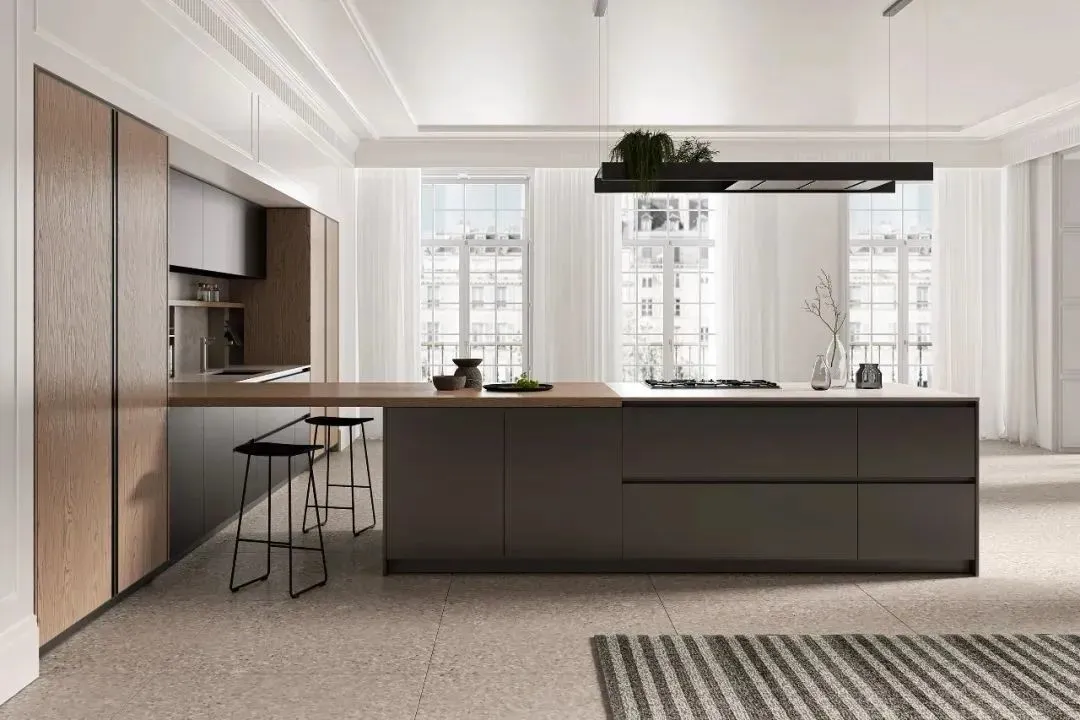
Design the cabinets first, then change the water and electricity
If you transform the water and electricity first, and then customize the cabinets, it may limit the layout, resulting in the space not being maximized.
Therefore, custom cabinets should be done prior to the hydro and electrical remodel. First, ask the designer to visit the site, measure and come up with a design plan, and then inform the water and electricity master of the layout arrangement, and then carry out water and electricity transformation. Of course, it is necessary to wait until the basic works of the kitchen (such as walls and floors) are completed, and then ask the cabinet designer to come to the door to re-measure the dimensions and make detailed construction drawings.
03
Tiles are typeset first, then paved
Before bricklayers enter the site, they must do a good job of typesetting before laying tiles, especially textured tiles and special-shaped tiles, otherwise it is easy to make mistakes and lead to rework, which is time-consuming and expensive. In addition, after laying the bricks, it is recommended to make marks, and clearly mark the direction and position of the buried water pipes and lines, so as to facilitate subsequent construction and avoid accidental damage to the pipelines.
04
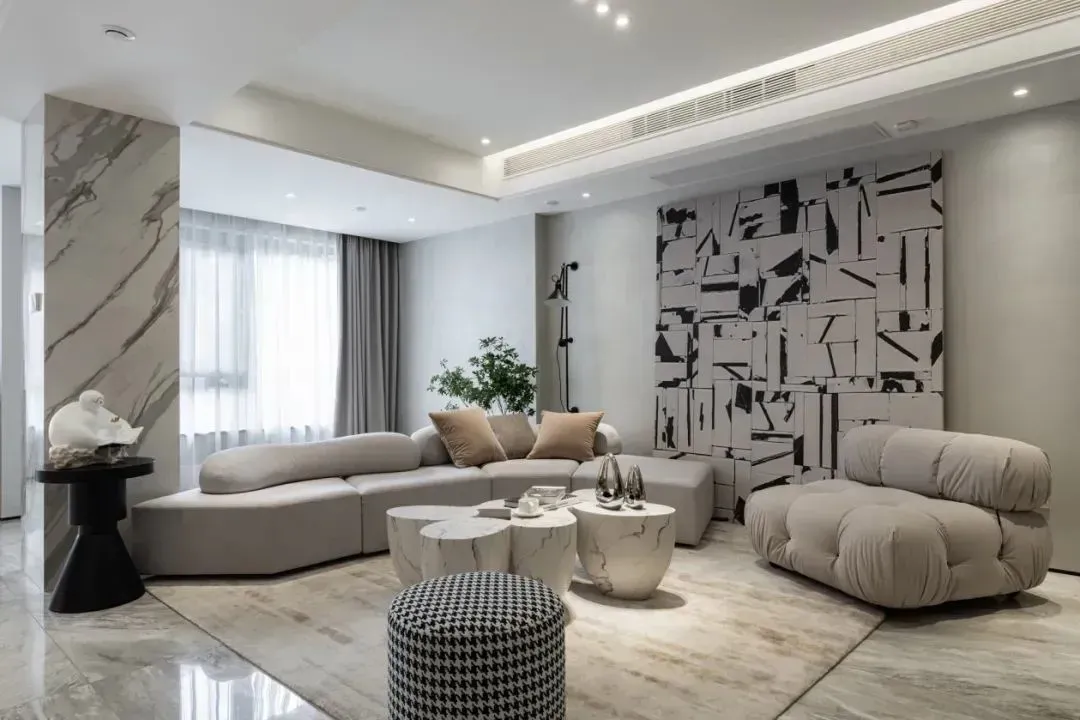
Paint first, then lay the floor
Painting first and then laying the floor is mainly to prevent the paint from dripping into the gaps in the floor and damaging the floor during painting. At the same time, it is also convenient for wall leveling and installation of skirting. If the wall needs to be repaired later, remember to lay a protective film on the ground first, especially at the gaps, to minimize the impact on the ground.

05
Install the door first, then lay the floor
If you want to lay a wooden floor, it is recommended to install the interior door first, and then lay the floor. On the one hand, it can avoid bumping into the wooden floor in the process of handling and installing the door, which will affect the use; On the other hand, it can also greatly improve efficiency. If the door is not installed, the skirting area needs to be vacated first, and the floor will be laid after the door is installed, which is time-consuming and laborious.
06
Buy home appliances first, then build
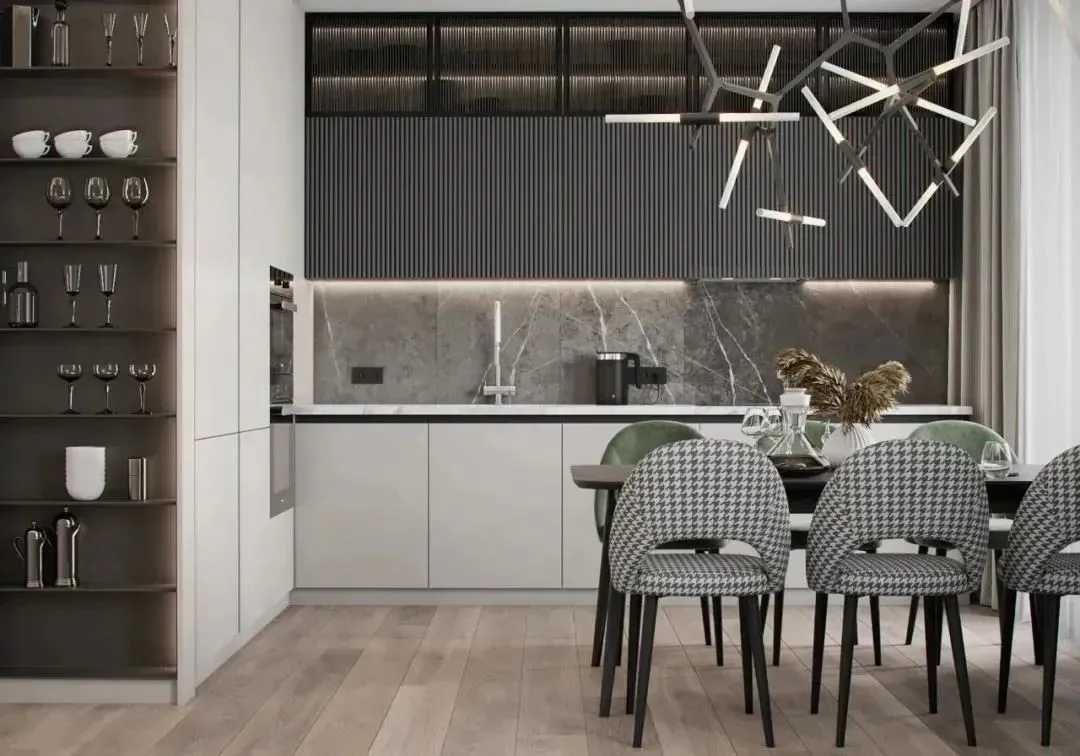
Try to buy household appliances in advance, especially kitchen and bathroom appliances, such as stoves, range hoods, refrigerators, dishwashers, electric water heaters, etc., measure the size and reserve a good position.
07
Do the cleaning first, then enter the furniture
After the basic decoration project is completed, it is necessary to clean up the residual garbage and dust, and then let furniture and household appliances enter the site. This can not only avoid sanitary corners, but also play a role in protecting furniture. When cleaning, remember to remind the workers to wipe the door frame, glass and other areas clean, and not let go of any detail.
08
Ventilate first, then move in
After the decoration is completed and the furniture comes into the market, don’t rush to move in. Be sure to ventilate and dry the house for 3 to 5 months to ensure that most formaldehyde and pollutants are released before moving in. During the drying period, pay attention to the ventilation time, take measures for shading, wind and rain, and don’t let the house be destroyed in the last step.