
 By admin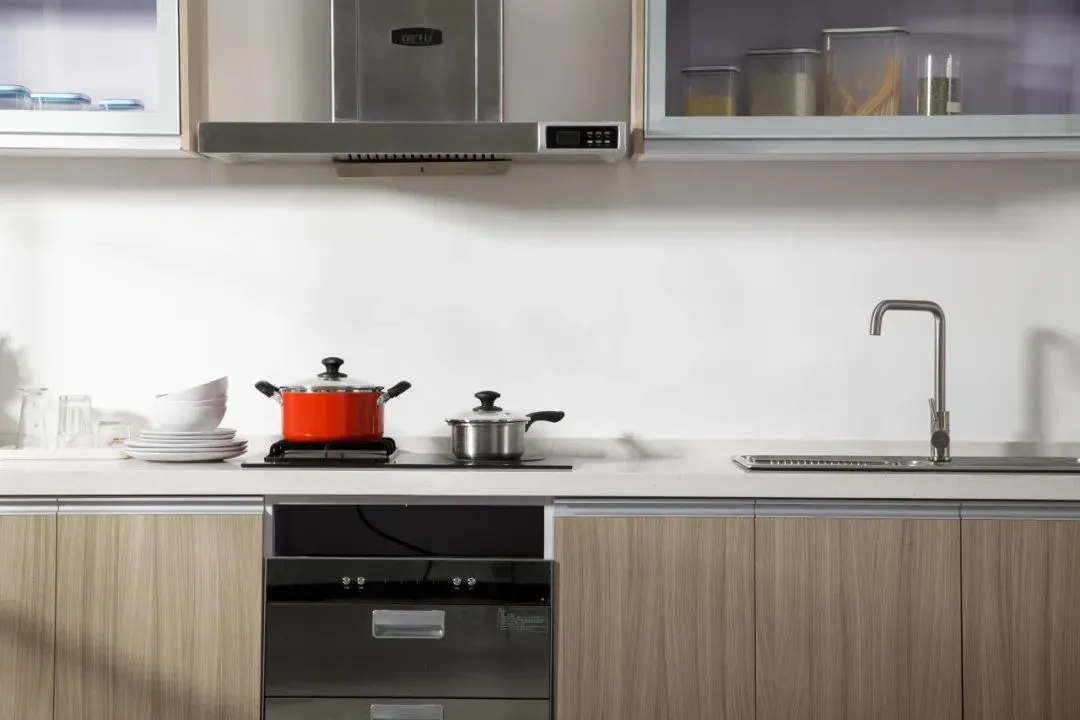
The balance between dynamic and stillness is a crucial concept in home design. It not only refers to the activities and quietness of space, but also covers multi-dimensional feelings such as vision, hearing and touch.
Dynamic elements can breathe life into a space. For example, bright colors, flowing lines and interesting patterns can create a vivid and dynamic atmosphere. These elements can be reflected in furniture choices, such as chic seats and artistic decorations. In addition, the clever use of light can also create dynamic effects, such as introducing changing light and shadow through windows or lights, making the space more smart.

Static elements can bring peace and comfort.Soft tones, clean lines and natural materials help to create a peaceful and relaxing atmosphere. This can be reflected by the arrangement of furniture, such as comfortable sofas, soft rugs. Appropriate addition of green plants or water features can also add a touch of quiet natural atmosphere to the space.
In addition to vision,Sound affects the perception of space as much as touch.For example, choosing materials with good sound insulation can effectively reduce noise interference and create a quiet environment; Soft textiles and ergonomic furniture can enhance the tactile experience and enhance the comfort of home.
For large apartments, it is necessary to pay more attention to functional zoning in design to make full use of space and meet the diverse needs of residents. Here are some practical partitioning ideas:
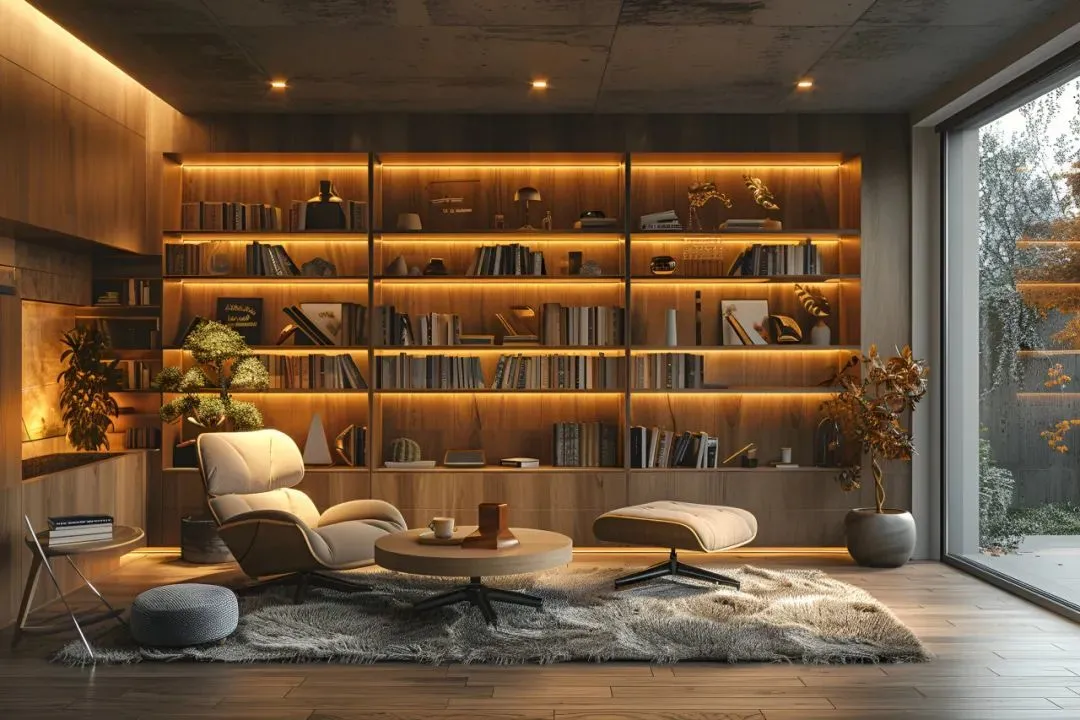
Clarify life needs:At the beginning of the design, the living habits, family members’ composition and hobbies of the residents should be sorted out first, so as to clarify the functional orientation of each area.
Living room zoning:The living room can be divided into different functional areas such as leisure area, viewing area and reading corner through furniture layout. Use carpet, screen or sofa sections to naturally define the space.
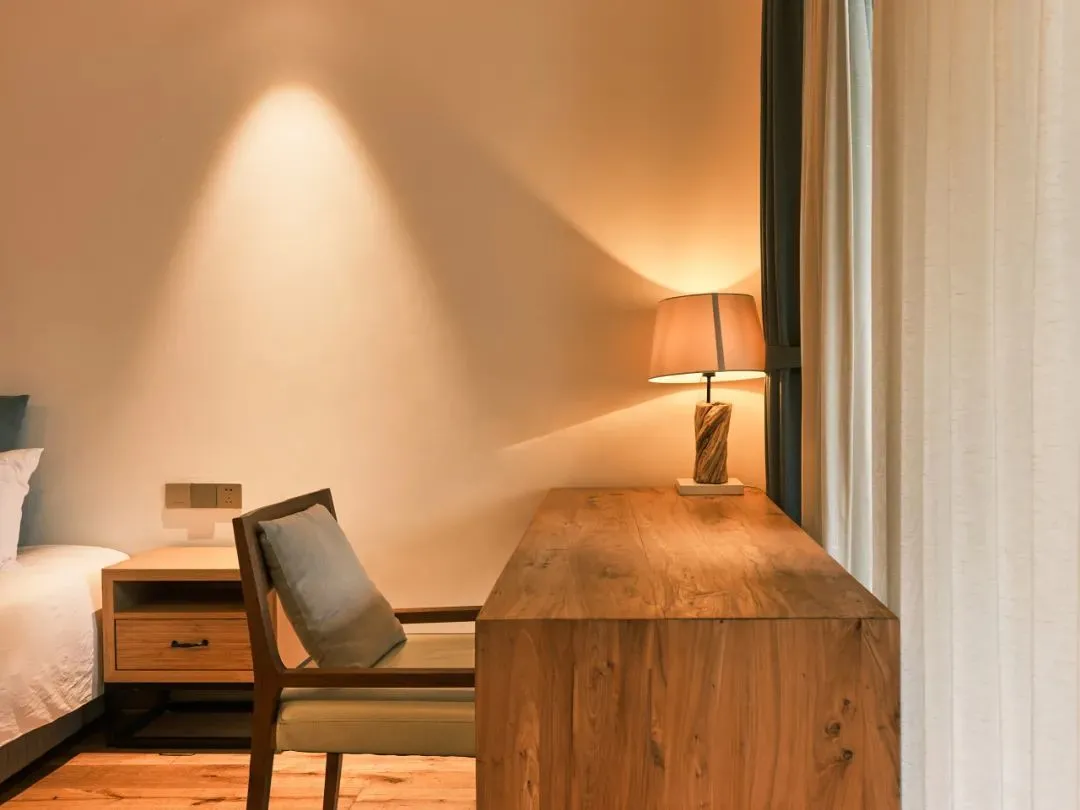
Bedroom zoning:The master bedroom can be planned with an independent cloakroom and bathroom to enhance privacy and functionality. Children’s rooms can be divided into learning areas, play areas, etc. according to children’s age.
Dining and kitchen division:You can design an independent kitchen and dining room, or adopt an open layout integrating kitchen and kitchen, and make reasonable planning according to cooking and dining habits.
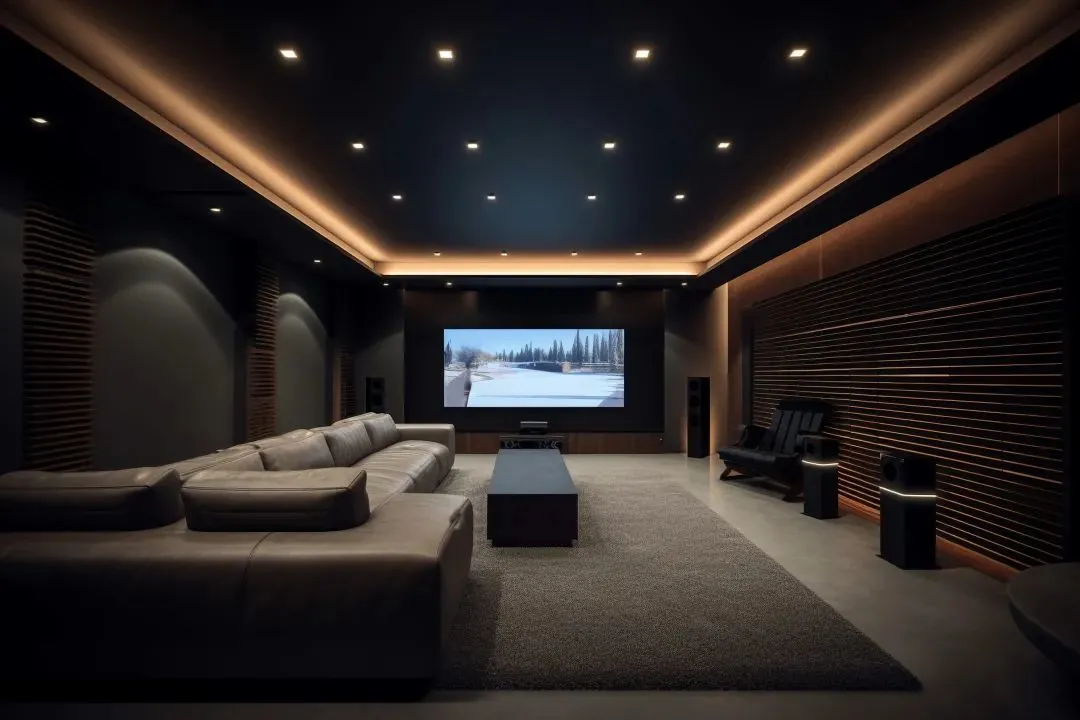
Work and Leisure Areas:If you have home office or study needs, you can set up a special study room or work area. At the same time, leisure spaces such as audio-visual rooms and fitness areas can also be planned.
Flexible partition:The use of variable partitions such as mobile screens and sliding doors can flexibly adjust the space division according to the usage scenario and enhance adaptability.
System storage:Reasonable storage design can make the space cleaner. Use walls, corners and other spaces to customize cabinets to greatly improve storage capacity.
Level creation:Enrich the visual hierarchy through the height and height of furniture. For example, match sofas and coffee tables of different heights in the living room, or choose dining tables and chairs with high and low combinations in the dining room.
Lighting design:Use the combination of main light source, auxiliary light and accent lighting to highlight the key points of space and create a rich layered light and shadow atmosphere.
In the final analysis, grasping the balance between dynamic and static aims to create a comfortable, harmonious and individual living space, so as to effectively enhance the “happiness” of daily life.