
 By admin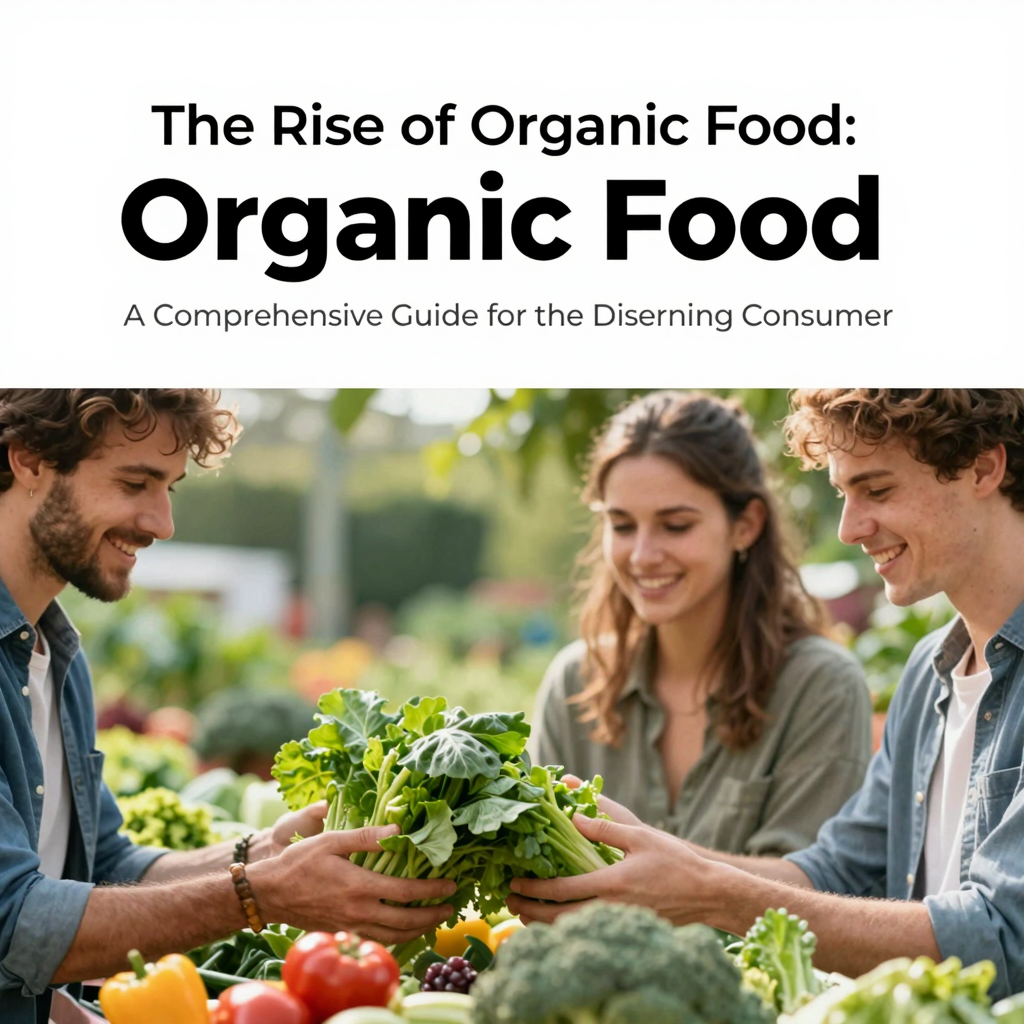
What is Organic Food?
Organic food is a growing movement that emphasizes the production of food without synthetic pesticides, fertilizers, or genetically modified organisms. This approach focuses on sustainable farming practices and the use of natural inputs to maintain the health of the land and the environment. By supporting organic food, consumers are making a conscious choice to prioritize the well-being of both people and the planet.
The Growing Popularity of Organic Food
- Organic food has become increasingly popular due to growing consumer awareness and demand for healthier, more sustainable food options.
- Many consumers believe that organic produce is free from harmful chemicals and has a lower environmental impact.
- The organic food movement has gained momentum in recent years, with more labels using the “Organic” certification.
- This shift reflects a broader societal change toward valuing sustainability and ethical farming practices.
Why Choose Organic?
Choosing organic food offers numerous health, environmental, and ethical benefits. By supporting certified organic products, consumers can ensure that their food is free from synthetic additives, radiation, and genetically modified organisms.
The Benefits of Organic Food
- Organic food is generally perceived to have lower levels of pesticides and chemical residues compared to conventionally grown produce.
- Consumers who opt for organic often report higher satisfaction with the quality and safety of their food.
- Organic certification processes ensure that farmers adhere to strict standards of land management and food safety.
- The use of organic farming techniques can lead to healthier soil and ecosystems, promoting biodiversity.
- Organic food can also be more cost-effective in the long run, as it often requires less water and fertilizers to grow.
The Future of Organic Food
The organic food market is set to grow significantly in the coming years, driven by increasing consumer demand for healthier, more sustainable products. Technological advancements and changing consumer preferences are expected to play a key role in shaping the future of organic food.
Trends in Organic Food
- Advancements in biotechnology are expanding the range of organic crops, including new varieties of fruits and vegetables.
- Vertical farming and hydroponics are revolutionizing organic agriculture, allowing for more efficient use of space and resources.
- Consumers are increasingly demanding organic products with higher nutritional content, such as organic whole grains and organic-free meat alternatives.
- The organic food industry is expected to reach a market value of over $100 billion by 2030.
- Social media and digital platforms are playing a pivotal role in spreading awareness about organic food and driving consumer demand.
Conclusion
Organic food is more than just a trend; it is a movement that reflects our commitment to a healthier, more sustainable future. By supporting organic products, consumers are not only choosing better-tasting, healthier food but also contributing to the preservation of the environment and the well-being of farmers and ecosystems.