
 By admin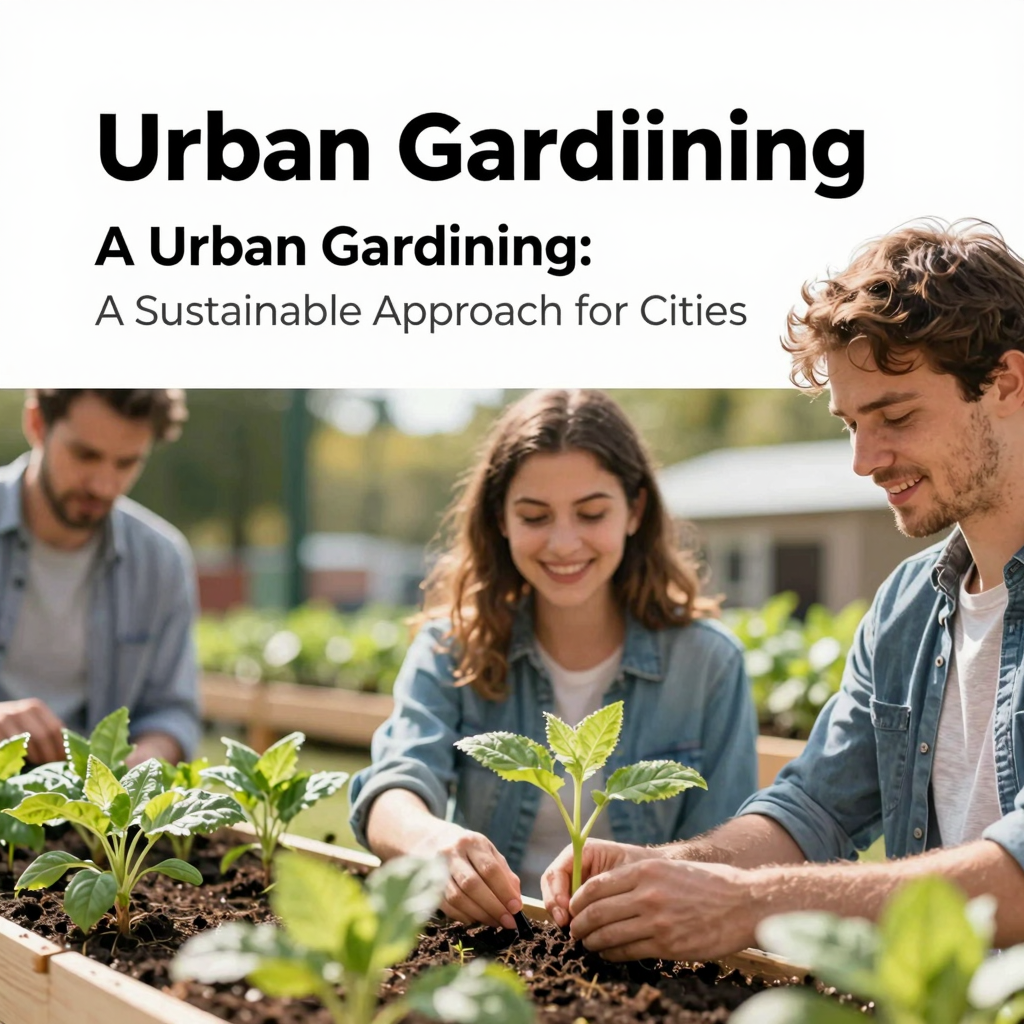
Urban Gardening: A Sustainable Approach for Cities
Introduction to Urban Gardening
Urban gardening has emerged as a popular and practical solution for creating green spaces in densely populated cities. With limited space and increasing awareness about environmental sustainability, urban gardening offers a way to grow food, improve air quality, and enhance urban environments. This guide explores the benefits of urban gardening, provides essential tips, and answers common questions.
Benefits of Urban Gardening
Urban gardening is not just about growing plants; it’s a holistic approach that benefits both the environment and urban residents. Here are some key advantages:
1. Space-Efficient Planting
Urban gardening allows you to make the most of limited space. By using raised beds, hanging baskets, and vertical gardens, you can grow plants in containers or on walls, saving space and making it easier to maintain a greenery-filled environment in cities.
2. Improved Air Quality
Urban areas are notorious for poor air quality due to pollution. Urban gardens help combat this by absorbing CO2 and releasing oxygen, improving indoor air quality. Studies have shown that green spaces can reduce stress levels and enhance overall well-being.
3. Cost-Effective Solution
Urban gardening can be cost-effective, especially for those with limited budgets. You can grow your own food, reduce reliance on commercial produce, and even sell surplus harvests to neighbors or community centers.
Tips and Tricks for Success
1. Start Small
Begin with a small space, such as a window box or a raised bed, to get started. This allows you to experiment with different plants and techniques without committing to a large garden.
2. Rotate Your Vegetables
Planting different vegetables in the same area can help prevent pests and diseases. Rotate your crops every few weeks to maintain healthy plants and prevent pests from finding a consistent food source.
3. Use Compost
Composting is a great way to feed your plants naturally. Green waste like food scraps, paper, and yard trimmings can be composted to provide essential nutrients for your plants.
Conclusion
Urban gardening is more than just a trend; it’s a sustainable lifestyle that benefits both the environment and the people who live in cities. By incorporating green spaces into your urban environment, you can create a healthier, more productive space for yourself and future generations. Whether you’re a seasoned gardener or just starting out, urban gardening is a rewarding and practical way to contribute to a greener world.