
 By admin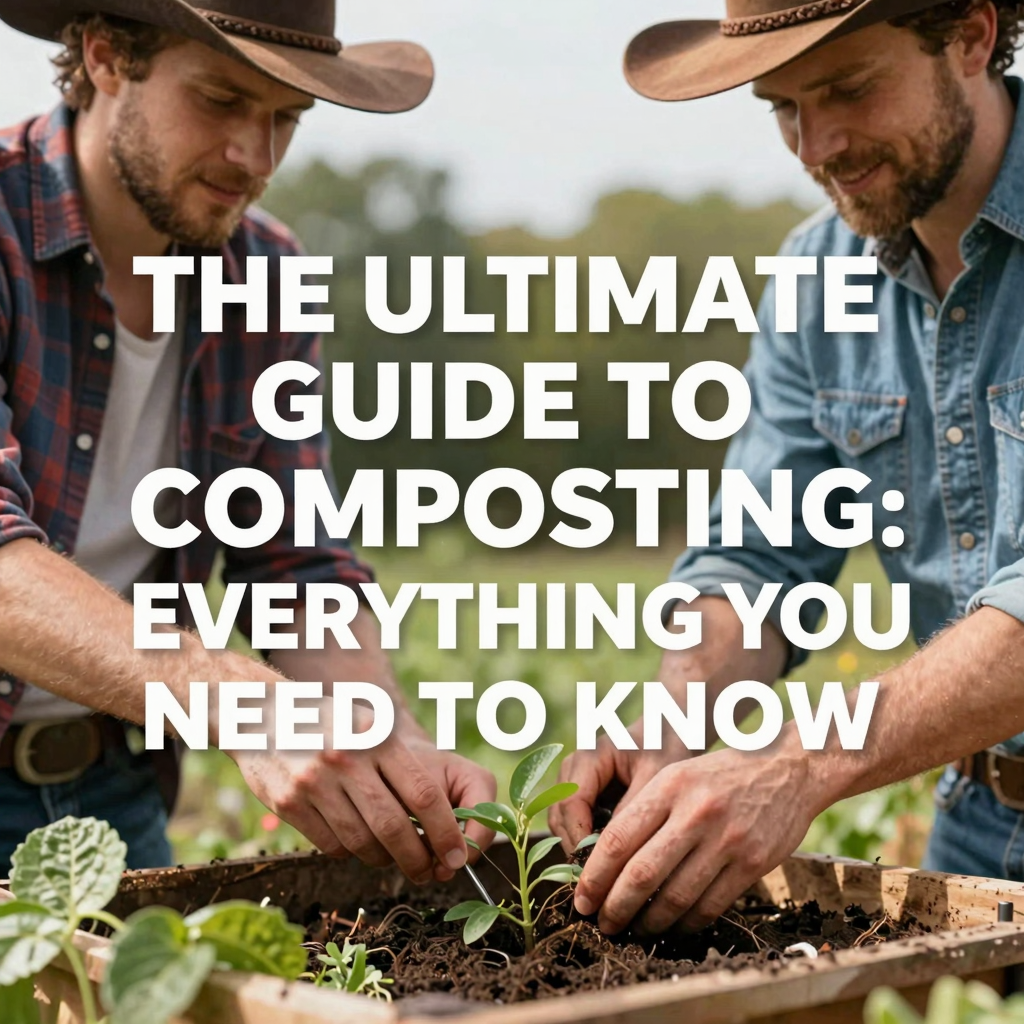
Introduction to Composting
Composting is a natural process that has been used for centuries to break down organic waste into a nutrient-rich substance that can be safely reused. While it may not be as well-known as recycling or landfills, composting is a highly effective way to reduce waste, improve soil health, and promote environmental sustainability. In fact, composting is one of the most eco-friendly ways to handle organic waste, as it transforms everyday trash into a valuable resource.
At its core, composting involves placing organic materials like food scraps, yard waste, and garden clippings into a compost bin or bin. These materials decompose over time, breaking down into a dark, nutrient-rich substance known as compost. The process is simple yet effective, and it requires minimal equipment and effort. Whether you’re a homeowner looking to reduce waste or a gardener seeking to improve soil health, composting is a valuable skill to have in your toolkit.
Understanding the Basics of Composting
What is Composting?
Composting is the biological decomposition of organic materials, primarily food scraps and yard waste, into a nutrient-rich substance. This process is carried out in specially designed compost bins or bins, which are typically made of wood, plastic, or metal. The key to successful composting is patience, as the decomposition process can take anywhere from a few weeks to several months, depending on the type and quantity of material.
Why Composting Matters
Composting is not just a gardening trick; it’s a vital part of environmental sustainability. By breaking down organic waste, composting reduces the amount of landfill waste, which is a major contributor to environmental pollution. Additionally, composting improves soil health by providing essential nutrients to plants and beneficial insects. A healthy soil ecosystem supports biodiversity and promotes the growth of food crops, making composting a win-win solution for both the environment and our wallets.
Key Components of a Good Compost Bin
While every compost bin is unique, there are a few key components that are essential for a successful composting project. First and foremost is the bin itself. A good compost bin should be well-constructed, durable, and provide ample space for the material you’re composting. Other important components include a lid, which helps retain moisture and gases in the compost, and a food-grade cover, which prevents pests from damaging the bin.
Getting Started with Composting
How to Start a Composting Bin
Starting a compost bin is easier than you might think. The first step is to choose the right location for your bin. A good spot for a compost bin is a well-draining area that receives plenty of sunlight. Avoid placing your bin in a shaded spot, as this can slow down the decomposition process. Once you’ve selected a location, it’s time to gather your materials. The basic ingredients for composting are food scraps, such as leftover vegetables, fruits, and bread, along with yard waste like grass clippings, leaves, and branches.
Organic waste that’s too hard or fibrous, such as wood chips or newspaper, should be avoided, as they can clog the compost bin. Once you’ve gathered your materials, it’s time to mix them together. The ideal ratio for composting is 4:1:1:1, meaning four parts food waste to one part paper products, one part yard waste, and one part meat and fish waste. This ensures that all components of your waste are broken down properly.
Composting Environments
There are many different types of composting environments, each with its own benefits and drawbacks. The most common types are vermicomposting, pile composting, and soil composting. Vermicomposting, which uses worms as the decomposers, is often considered the most effective method, as worms break down organic material much faster than other methods. Pile composting, on the other hand, relies on natural bacteria to break down the material, and soil composting involves burying your organic waste in rich, well-draining soil.
Benefits of Composting
Environmental Benefits
As mentioned earlier, composting is a great way to reduce waste and minimize the amount of material sent to landfills. Landfills are not only a source of methane emissions, which contribute to global warming, but they also produce leachate, a toxic substance that can pollute groundwater. By composting, you help prevent these environmental problems while making use of otherwise unusable materials.
Soil and Plant Benefits
Composting also has a direct impact on your garden and plants. Compost is an excellent soil amendment, providing essential nutrients such as nitrogen, phosphorus, and potassium. These nutrients are crucial for plant growth and can significantly improve the health and yield of your crops. Additionally, compost can help create a more balanced and thriving ecosystem in your garden, supporting the growth of beneficial insects and aiding in pest control.
Economic Benefits
While composting may seem like a minor change, it can actually save you money in the long run. For example, by composting your food scraps, you can reduce the amount of garbage you produce, which can lower your trash pickup costs. Additionally, compost can be used as a fertilizer, which can reduce the need for chemical fertilizers and help improve the quality of your garden produce. Finally, compost can also be used to make worm castings, which can be sold as a fertilizer or used as a natural mulch in your garden.
Conclusion
Composting is a simple yet powerful way to improve your life and contribute to environmental sustainability. By understanding the basics of composting, choosing the right materials, and selecting the appropriate composting environment, you can create a compost bin that works for you and enjoy the benefits for years to come. Whether you’re a homeowner looking to reduce waste or a gardener seeking to improve soil health, composting is a valuable skill to have in your arsenal. So, grab your garden tools, head outside, and get started on your composting project today!