
 By admin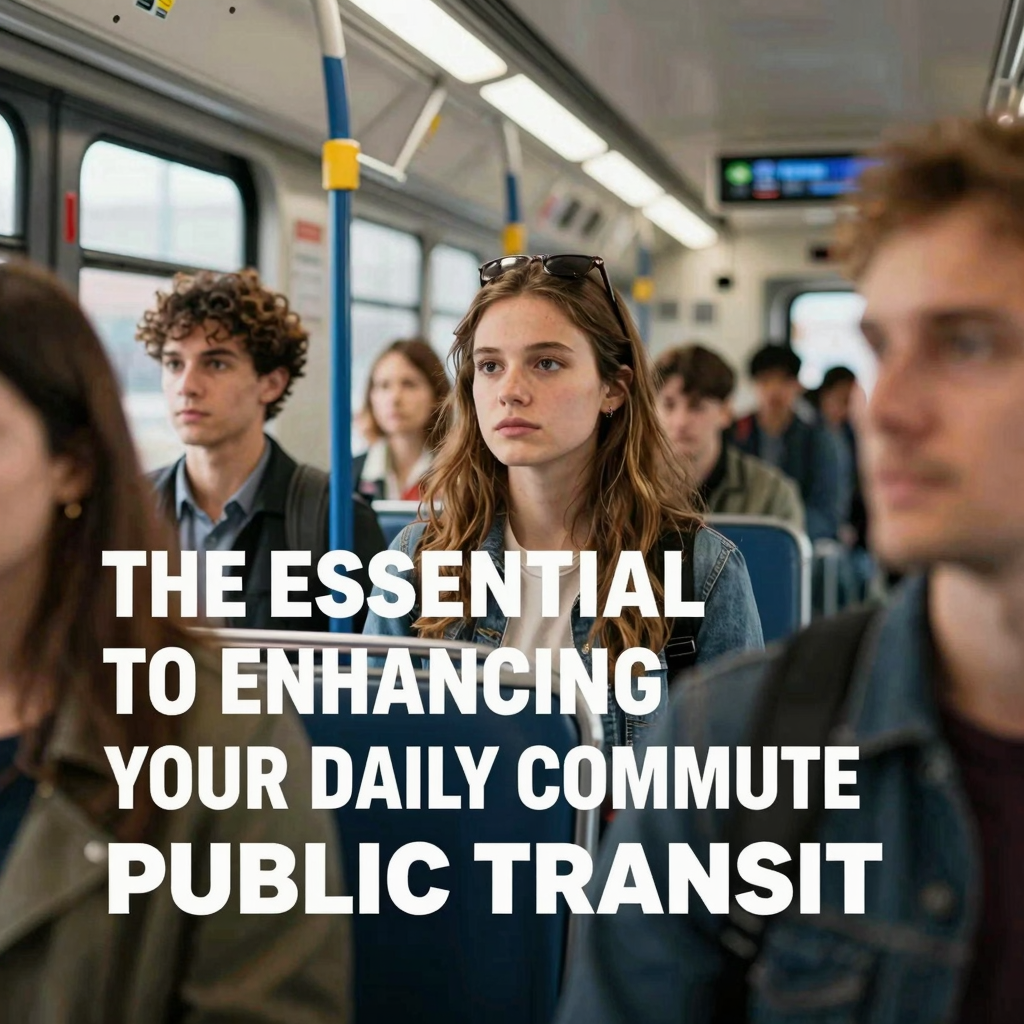
Introduction to Public Transit
Public transit is more than just a means of transportation; it is a cornerstone of sustainable urban mobility. In an era where environmental awareness and cost-sensitivity are paramount, public transit offers a viable solution to reduce reliance on private vehicles. With its network of buses, trains, subways, and trams, public transit provides reliable, affordable, and eco-friendly travel options for millions of people worldwide. Whether you’re commuting to work, running errands, or traveling for leisure, public transit can be a transformative part of your daily routine.
Why Public Transit Is Essential
Environmental Benefits: Public transit is a key player in combating climate change. By reducing greenhouse gas emissions associated with car-dependent travel, public transit helps lower air pollution levels and contributes to a healthier planet. Did you know that taking the subway instead of driving can reduce your carbon footprint by up to 40%? This makes public transit not just a mode of transportation, but a step toward a greener lifestyle.
Cost-Effective Solution: Relying on public transit can save you money in the long run. Instead of paying for parking fees, tolls, or gas, you can invest in a transit pass and enjoy reliable service. For example, a single bus ticket often costs less than a mile of gas, and a day pass can extend your reach across multiple destinations. This makes public transit an economical choice, especially for students, seniors, and low-income individuals.
Convenience and Accessibility: Public transit provides access to areas that might otherwise be out of reach by car. Whether it’s reaching a job opportunity in a different district or getting to a doctor’s appointment in a remote area, public transit bridges gaps that private vehicles cannot. With its extensive network, public transit ensures that you can travel with ease, regardless of where you need to go.
Why to Choose Public Transit
Supports Urban Development: Cities rely on public transit to manage urban growth and infrastructure challenges. By prioritizing public transit, governments can reduce traffic congestion, lower property taxes, and create jobs in the transportation sector. A well-connected public transit system is a vital component of a thriving urban ecosystem.
Builds Strong Communities: Public transit fosters community connections. riding together on buses or trains can create shared experiences and a sense of belonging among residents. It also reduces the need for cars, encouraging people to walk, bike, or rely on shared mobility options. This collective effort strengthens social bonds and creates a more inclusive society.
Future-Proof Your Commute: As urbanization accelerates, the demand for reliable transportation will only grow. By embracing public transit now, you’re investing in a sustainable future for yourself and future generations. With advancements in technology, such as smart cards, real-time tracking, and autonomous vehicles, public transit becomes even more accessible and efficient.
Challenges and Solutions
Challenges: While public transit offers many benefits, it also faces its own set of challenges. These include limited coverage in remote areas, crowded buses during peak hours, and unreliable service in certain regions. Additionally, the financial burden on public transit systems can be significant, especially in underfunded cities.
Overcoming Challenges: To make public transit more accessible, governments can invest in expanding routes, hiring more drivers, and upgrading infrastructure. Cities can also encourage carpooling and bike-sharing programs to supplement public transit options. Technology plays a crucial role too—intelligent ticketing systems, mobile apps, and real-time updates can enhance the user experience. By addressing these challenges, public transit can become a more viable and attractive option for all.
Tips for Using Public Transit Effectively
Plan Ahead: Use transit apps like Google Maps, Transporation Trends, or your city’s specific transit app to plan your route. Check schedules and ensure you arrive at your destination before your bus or train departs. Consistent punctuality is key to getting on a ride smoothly.
Arrive Early: Allow extra time to account for traffic, boarding times, and potential delays. Crowded buses can be unpredictable, so arriving early gives you a better chance of securing a seat. Keep some coins or transit cards handy in case you need to buy a ticket at the last minute.
Read the Fare Rules: Familiarize yourself with the fare system and payment options. Many cities offer discounts for frequent riders, so consider purchasing a transit card. If you plan to travel often, a day pass or weekly pass might be more economical than single tickets.
Be Mindful of the Environment: Public transit is not just about getting to your destination—it’s also about making a positive impact. Ride responsibly by not leaving pets in hot cars and avoiding excessive use of resources like paper tickets. Encourage others to do the same and contribute to a cleaner, greener commute.
Conclusion
Public transit is more than a transportation mode; it is a vital tool for building a sustainable, equitable, and enjoyable urban lifestyle. With its environmental benefits, cost-effectiveness, and accessibility, public transit offers a transformative solution to modern challenges. By embracing public transit, we can reduce our carbon footprint, save money, and create a more inclusive society. As urbanization continues to accelerate, the importance of public transit cannot be overstated. Let’s make the switch together and build a future where everyone has access to reliable, affordable, and eco-friendly transportation options.
Until next time, keep exploring the world (and your commute) through the lens of public transit!