
 By admin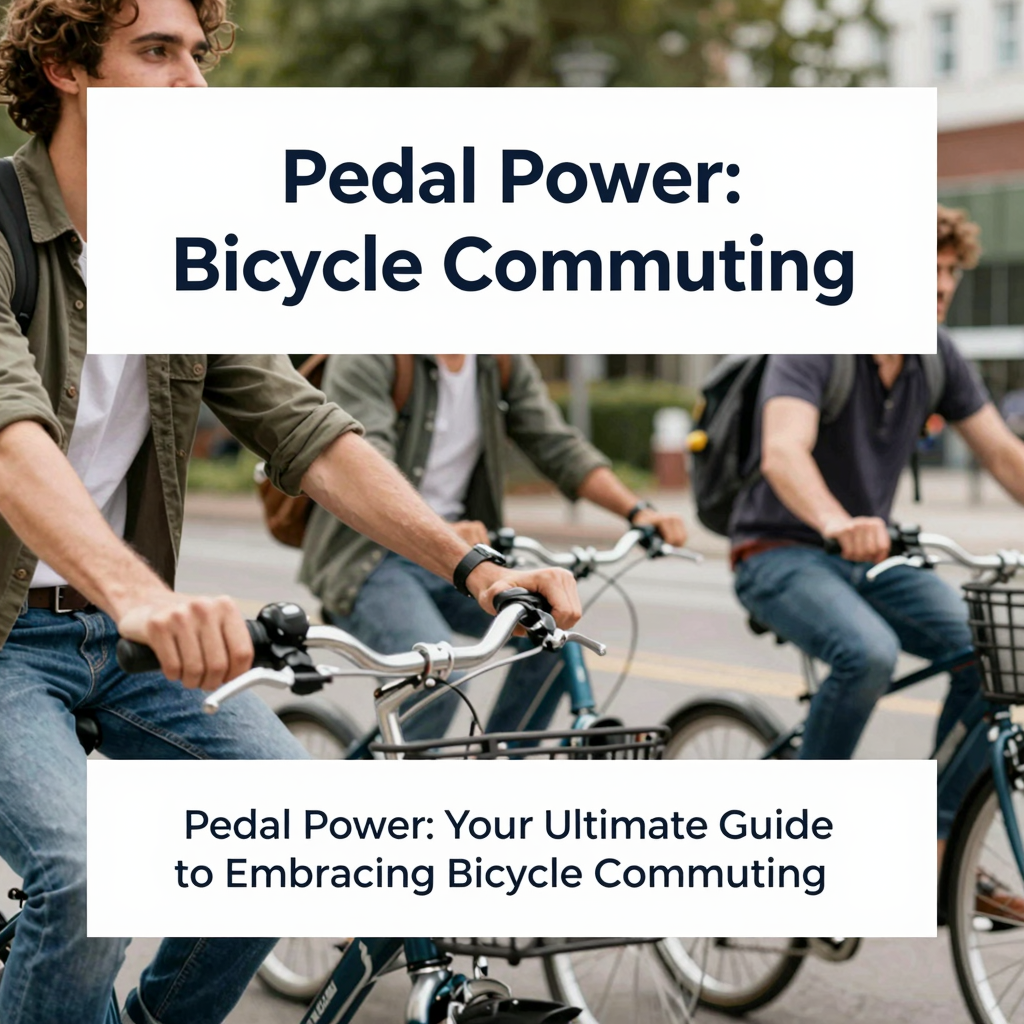
Remember that feeling? The wind in your hair (or helmet!), the sun on your face, the satisfying rhythm of your legs turning the pedals? For many, cycling is a cherished childhood memory. But what if you could recapture that joy and weave it into the fabric of your daily routine? Bicycle commuting isn’t just a nostalgic throwback; it’s a powerful, practical, and increasingly popular way to navigate modern life. It transforms the often-dreaded commute from a time-sucking chore into an opportunity for health, savings, and connection. Whether you’re navigating bustling city streets or quieter suburban roads, swapping four wheels for two can revolutionize your relationship with your commute and your community.
Why Swap the Steering Wheel for Handlebar Grips? The Compelling Benefits
Choosing to cycle to work isn’t just about getting from point A to point B; it’s a conscious decision that ripples outwards, impacting your personal well-being, your wallet, and the world around you. Let’s delve into the powerful reasons why more people are choosing pedal power.
A Fountain of Youth for Body and Mind
Perhaps the most immediate benefit you’ll notice is the positive impact on your physical health. Unlike the passive nature of driving or sitting on public transport, cycling is an active form of transportation. Regular cycling:
- Boosts Cardiovascular Fitness: Your heart and lungs get a fantastic workout, strengthening your cardiovascular system and reducing the risk of heart disease, stroke, and high blood pressure.
- Builds Muscle and Bone Density: Pedaling primarily works your legs (quads, hamstrings, calves), but also engages your core and glutes. It’s a weight-bearing exercise, which helps maintain bone density.
- Manages Weight: Burning calories consistently during your commute helps maintain a healthy weight or shed unwanted pounds.
- Elevates Mood and Reduces Stress: Exercise releases endorphins, natural mood lifters. Cycling outdoors adds exposure to sunlight (boosting Vitamin D) and nature, further reducing stress hormones like cortisol. Arriving at work energized and clear-headed is a common perk reported by bike commuters.
- Improves Sleep Quality: Regular physical activity is linked to deeper, more restorative sleep.
Essentially, your commute becomes your workout, seamlessly integrating exercise into your day without requiring extra gym time.
Your Wallet Will Thank You
Let’s talk finances. Owning and operating a car is expensive. Between car payments, insurance premiums, fluctuating gas prices, parking fees, tolls, maintenance, and repairs, the costs add up significantly. Bicycle commuting dramatically slashes these expenses.
- Fuel Savings: Your legs are your engine. No more gas station stops.
- Reduced Wear and Tear: Less mileage on your car means fewer oil changes, tire replacements, and major repairs.
- Lower Insurance Costs: Some insurers offer discounts for low-mileage drivers.
- Parking Fees Eliminated: Finding free bike parking is usually easier and cheaper than paying for a car spot.
- Initial Investment Pays Off: While a good commuter bike and gear require an upfront cost, this investment typically pays for itself within months or a couple of years compared to car costs.
Cycling is one of the most cost-effective forms of transportation available.
Breathing Easier: The Environmental Impact
Transportation is a major contributor to greenhouse gas emissions and air pollution. Choosing a bicycle over a car significantly reduces your carbon footprint. Bicycles:
- Produce Zero Emissions: No tailpipe means cleaner air for everyone.
- Reduce Traffic Congestion: Every cyclist is one less car on the road, easing traffic jams for everyone.
- Require Fewer Resources: Manufacturing and maintaining a bike consumes far fewer materials and energy than a car.
- Less Noise Pollution: Quieter streets contribute to a more pleasant urban environment.
By commuting by bike, you’re actively contributing to cleaner air, reduced noise, and a healthier planet.
Gearing Up: Essential Equipment for the Commute
Ready to make the leap? Having the right gear makes bicycle commuting safer, more comfortable, and more practical. You don’t need top-of-the-line everything, but investing in key items is crucial.
The Heart of the Matter: Choosing Your Commuter Bike
Your bike is your trusty steed. While you *can* commute on almost any bike, a dedicated commuter bike makes life easier. Key considerations:
- Type: Hybrid bikes are popular choices – comfortable upright position, wider tires for stability, often equipped with mounts for racks and fenders. Fitness bikes (flat-bar road bikes) offer more speed. Consider folding bikes if you need to combine with public transport or have limited storage.
- Fit: A bike that fits you properly is essential for comfort and efficiency. Visit a local bike shop for a professional fitting.
- Features: Fenders (mudguards) keep you dry on wet roads. Racks allow you to carry panniers (bike bags), freeing your back. Lights are non-negotiable for visibility. A kickstand is convenient. Consider gears suitable for your terrain.
Don’t be afraid to buy used from a reputable source, but ensure it’s mechanically sound.
Safety First: Non-Negotiables
Protecting yourself is paramount. Never compromise on these:
- Helmet: Choose a certified helmet that fits snugly. Replace it after any significant impact, even if it looks fine.
- Lights: A bright white front light and a red rear light are essential for dawn, dusk, night, and poor weather visibility. Consider rechargeable models.
- Lock: Invest in a sturdy U-lock or heavy-duty chain lock. Lock your frame *and* a wheel to a solid object. Cable locks are easily cut and insufficient alone.
- High-Visibility Clothing: Reflective strips on jackets, vests, or bags make you more visible, especially in low light. Bright colors help during the day.
Comfort and Practicality
Making your commute pleasant encourages you to stick with it:
- Clothing: Wear comfortable, breathable clothes. Consider moisture-wicking fabrics. You may not need full cycling gear for shorter commutes. Pack work clothes or leave them at the office.
- Panniers or Backpack: Carrying gear on a rear rack (using panniers) is generally more comfortable and stable than a backpack, especially for heavier loads. If using a backpack, ensure it’s comfortable and has good ventilation.
- Repair Kit: Carry at least a spare tube, tire levers, a multi-tool, and a pump or CO2 inflator. Knowing how to fix a flat is a vital skill. A patch kit is also useful.
- Water Bottle and Cage: Stay hydrated, especially on warmer days or longer rides.
Navigating the Streets: Safety, Routes, and Sharing the Road
Confidence on the road comes from knowledge and practice. Understanding how to ride safely and efficiently is key to a positive commuting experience.
Mastering Traffic Safety
Cycling in traffic requires awareness and predictability:
- Ride Predictably: Signal your intentions clearly with hand signals. Ride in a straight line, don’t weave in and out of parked cars. Avoid sudden movements.
- Be Visible: Use lights and reflective gear. Make eye contact with drivers whenever possible. Position yourself where drivers can see you – avoid riding in the “door zone” next to parked cars.
- Obey Traffic Laws: You are a vehicle. Stop at stop signs and red lights. Ride with the flow of traffic, not against it. Yield appropriately.
- Stay Alert: Constantly scan your surroundings – ahead, behind, and to the sides. Watch for opening car doors, pedestrians, and road hazards (potholes, debris).
- Assume Drivers Don’t See You: Even if you have the right of way, be prepared to react. Defensive riding is crucial.
Planning Your Perfect Route
The fastest route by car isn’t always the best route by bike. Finding a safe and efficient path makes a huge difference:
- Utilize Bike Maps and Apps: Google Maps (set to bicycle mode), Strava, Komoot, and local cycling advocacy group maps often highlight bike lanes, paths, and quieter streets.
- Seek Out Bike Lanes and Paths: Dedicated infrastructure is generally safer and more pleasant. However, be cautious at intersections.
- Consider Quieter Streets: Sometimes a slightly longer route on residential streets is much less stressful than a busy arterial road.
- Test Ride on a Weekend: Scout potential routes when traffic is lighter to get a feel for the distance, hills, and potential challenges.
- Consider Multi-Modal Commutes: Can you bike part of the way and take a train or bus for the rest? Many transit systems allow bikes.
Sharing the Road Respectfully
Cyclists share the road with drivers, pedestrians, and other cyclists. Mutual respect is vital:
- Respect Pedestrians: Yield to pedestrians at crosswalks. Give ample space when passing on shared paths. Use your bell or voice politely to alert them.
- Interact Calmly with Drivers: Most drivers are respectful. If an incident occurs, stay calm. Avoid aggressive gestures or shouting. Report dangerous behavior if necessary.
- Be Courteous to Fellow Cyclists: Announce “passing on your left” when overtaking. Don’t block paths.
Remember, you’re an ambassador for cycling. Your behavior influences how others perceive cyclists.
Overcoming Common Hurdles: Sweat, Logistics, and Motivation
It’s natural to encounter obstacles when starting something new. Here’s how to tackle common concerns:
Conquering the “Sweat Factor”
Arriving sweaty at work is a major concern for many. Solutions exist:
- Pace Yourself: You don’t have to race. Ride at a comfortable pace, especially in warmer weather.
- Shower Facilities: Does your workplace have a shower? If so, you’re golden. Pack toiletries and a towel.
- No Shower? No Problem: Pack baby wipes or a washcloth for a quick “sponge bath.” Use a changing room to towel off and change clothes. Allow a few minutes to cool down before changing.
- Moisture-Wicking Clothing: Wear cycling-specific or athletic wear that pulls sweat away from your body.
- E-Bikes: Pedal-assist electric bikes reduce exertion significantly, minimizing sweat.
- Strategic Timing: If possible, commute during cooler parts of the day.
Managing Luggage and Logistics
Getting your stuff to work requires planning:
- Panniers are Key: As mentioned, rack-mounted bags are ideal for carrying laptops, lunches, clothes, and other items comfortably.
- Leave Supplies at Work: Keep a stash of essentials: shoes, toiletries, towels, maybe even some work clothes. Minimize what you need to carry daily.
- Plan Your Meals: Pack lunch or plan to buy it nearby. Consider meal prepping.
- Secure Parking: Find a safe, dry place to lock your bike at work and home. Indoor parking is best.
Staying Motivated Through Weather and Seasons
Maintaining momentum is key:
- Start Small: Don’t feel pressured to bike every day immediately. Try one or two days a week. Build up gradually.
- Appropriate Gear for Weather: Invest in quality rain gear (jacket, pants, shoe covers), warm layers (thermal base layers, gloves, hat, neck warmer), and lights for winter/darkness. Good gear makes almost any weather manageable.
- Focus on the Positives: Remind yourself of the benefits – the fresh air, the stress relief, the money saved, the exercise.
- Track Your Progress: Use apps like Strava or a simple calendar to log your commutes. Seeing the miles add up and the money saved can be motivating.
- Find a Buddy: Commuting with a colleague can make the ride more enjoyable and hold you accountable.
- Be Flexible: It’s okay to drive or take transit occasionally due to extreme weather, appointments, or needing to carry bulky items.
Conclusion: Shifting Gears Towards a Better Commute
Bicycle commuting is more than just a mode of transportation; it’s an investment in yourself and your community. It transforms wasted time into valuable exercise, replaces financial drain with savings, and swaps pollution and congestion for cleaner air and quieter streets. While it requires some initial planning, investment in gear, and a shift in routine, the rewards are substantial and multifaceted.
Yes, there will be days with headwinds and rain, days when motivation wanes, and logistical puzzles to solve. But the feeling of accomplishment arriving at work under your own power, the clarity of mind after a morning ride, the money saved, and the positive impact you make are powerful motivators. It fosters a deeper connection to your surroundings, a sense of self-reliance, and a unique perspective on the places you travel through daily.
So, dust off that bike, or find one that suits your needs. Start small, gear up appropriately, plan your route, prioritize safety, and embrace the journey. You might just discover that the best part of your day is the ride to get there. Pedal power isn’t just about moving forward; it’s about moving towards a healthier, happier, and more sustainable way of living, one revolution at a time.