
 By admin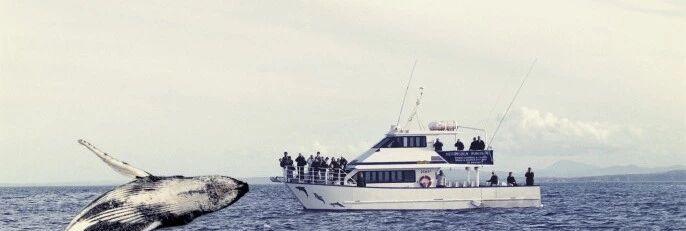
Every winter, humpback whales can be seen swimming north from Byron Bay to Hervey Bay. We are often amazed at their unique way of communication, and sometimes we can listen to the long and lingering songs of male whales underwater with the help of hydrophones. On the coastline of Western Australia, you can watch the slow-moving and elegant southern right whales, which follow the ocean currents to Jograffy Bay, Dunsborough and Albany. If you want to pay attention to these endangered species, which were nearly extinct due to hunting, you can visit the whale refuge at Witte Harbour or the head of the bay in South Australia. You can watch them mate and feed their young whales in South China Port, Victoria; Also head to Tasmania’s picturesque Great Oyster Bay to watch humpback whales operating in Antarctic waters.
From late April, southern right whales migrate to the temperate breeding waters of South Australia and Victoria. At the same time, humpback whales will continue to migrate along the east and west coasts to the warmer waters in the north. This means you can spot whales at many viewing spots along the Australian coastline between May and November.
Our best place for whale watching
Western Australia
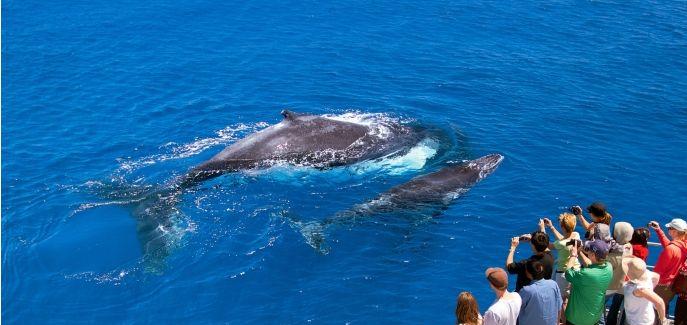
From early June, you can watch humpback and southern right whales frolic in the water in Augusta’s Flinders Bay. Or head to Joe Grafe Bay in Dunsborough in September, where you can see blue whales, calves and bottlenose dolphins swimming together. Southern right whales, humpback whales and their cubs will also glide through the waters. You can overlook them from the Naturaliste lighthouse or get up close with them on a whale watching boat. Further south, Albany’s rugged coastline makes for another fascinating picture. Between July and October, you can see southern right whales and humpback whales mating and giving birth in the vast King George’s Sound. You can also visit Albany’s interactive Whale Museum (which used to be a whale processing station) to learn more about these intelligent creatures.
South Australia
Standing on the top of a steep cliff near Encounter Bay in Witte Harbour, you can watch endangered southern right whales come to mate between May and October. Or take a boat ride from Granite Island and watch them frolic with their calves on the sea off the Phil Peninsula. From Ceduna, along the rolling coastline of South Australia, you can also witness whales rolling slowly in the sea on the observation deck or on the beach. They often glide from hundreds of meters outside the Bunda cliffs. It’s also a great place to spot Australian sea lions and great white sharks. For a closer look, take a boat to the calm waters of the Head of the Bay Whale Sanctuary.
Victoria
Every year from June to September, southern right whales come to the waters near Logans Beach in South China Port to produce their calves. They stay here for several weeks, teaching the calves to prepare for their return to the Antarctic attached waters. Meanwhile, male whales, sub-adult whales and adult whales stay in the sea a little further away. You can take moving images of mother whales interacting with calves from the observation deck on the sand dunes. Or head to Lady Bay, where the mother whale likes to stay close to the shore, sometimes even patting the water and splashing people on the shore. You can “congratulate” them by whale watching boat, or take a light plane to overlook their unique, cocooned white heads from the air. In May, you will also have the opportunity to see rare blue whales at Nelson Point near Portland-this is their last hunting period here.
Tasmania
From May every year, you can see humpback whales and southern right whales gliding leisurely in the clear waters of Great Oyster Bay near Freycinet Peninsula. Take a wildlife cruise in Goss Bay and watch them toss and toss through the Tasman Sea along ancient migration routes. With the scenery of forests, * granite cliffs and mysterious white beaches in front of you, you will understand why the southern right whale loves it. Young whales may swim through the Mercury Passage outside Maria Island, and if you are lucky, you may be able to meet them. Also head to wild Bruny Island, not far from Hobart, where Adventure Bay is a famous whale watching spot.
New South Wales
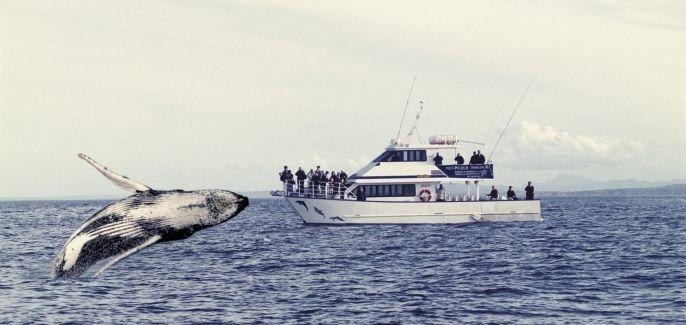
From May to late November, you can take a boat out to the Cape from Sydney Harbour to watch the gentle humpback whales migrate along the east coast. On land, one of the best whale watching places in Sydney is the rocky area of South Head. The same spectacular and elegant sight can be seen in Byron Bay in June. From the Cape Byron Lighthouse-the easternmost landmark of the Australian mainland-whales are playing in the water a hundred meters away. Or board a whale watching boat and listen to the unforgettable songs of male humpback whales through hydrophones. You can almost always spot whales in calm and clear waters at Jervis Bay Marine Park, south of Sydney, which is also home to many bottlenose dolphins.
Queensland
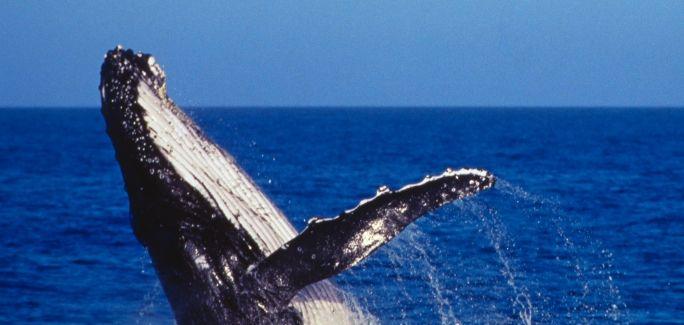
Strolling near Harvey Bay from late July to early November each year, the splash stirred up by humpback whales flapping their tails may splash on you. This is Australia’s top spot for whale watching, but you can also get excellent views from the Cape Lookout on North Stradbroke Island near Brisbane. A boat ride from Morolaba, Sunshine Coast or Gold Coast, the waterfront is a 20-minute walk to Whale Watching. If you want to get closer, you can go to Port Douglas and dive into the sea in the northern waters of the Great Barrier Reef to meet curious minke whales. Connect yourself to the boat with a rope, and you can safely dive underwater and have a close encounter with these clever and playful creatures.