
 By admin
Fly to Zagreb, the capital of Croatia, and a special car will pick you up and check you into your hotel. After night, you can walk to a bistro with a strong local atmosphere for an authentic dinner.
Hotel: Esplanade Hotel
Morning tour of Zagreb. The city’s history dates back to ancient Roman times and originally consisted of two separate parts of the upper town-Caputo and Gradek. Caputo has the Cathedral of the Assumption, founded in 1093, which survived the invasion of Tatars and Ottomans; Gradek is a settlement of craftsmen and merchants. The two parts merged in 1850 to form today’s Zagreb.
In the afternoon, head to the Zagorje area, which retains a strong late medieval and Renaissance style. Stroll through the Baroque and Rococo-style alleys and visit the gorgeous Baroque complex of the small town of Varaždin, including the castle, palace gardens and monastery. Followed by a walk in the greenery-surrounded Opeca Estate. In the evening, tasting gourmet meals in a traditional bistro loved by locals, before returning to Zagreb.
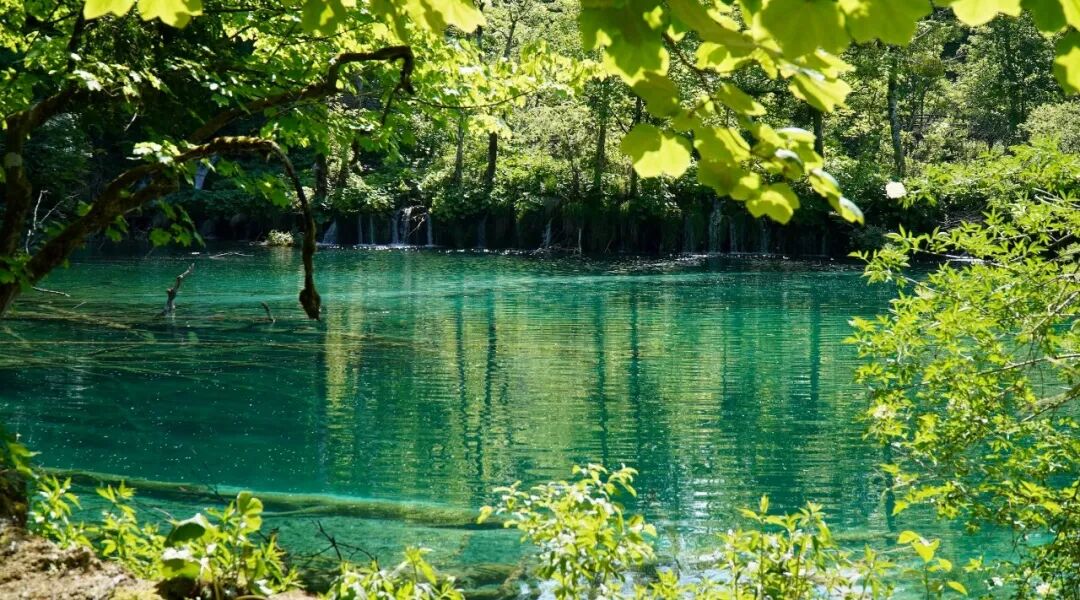
It’s about 2 hours by car to the famous Plitvice Lake District National Park. Hike the 16 lakes spread in a beaded pattern along the valley. The total drop between them reaches 135 meters, and they are connected by numerous waterfalls, and the lake takes on an attractive color of emerald green or sapphire blue.
In the afternoon, it takes about 2 hours to arrive in the coastal city of Split. This ancient city is famous for the magnificent palace built here by the ancient Roman emperor Diocletian in 305 AD.
Hotel: Hotel Ambasador
Morning tour of Split. It was originally the summer palace of Emperor Diocletian. After the fall of the Western Roman Empire, refugees poured into the city walls to seek refuge, and one after another additional houses, workshops and churches were built. In the following millennium, it became one of the safest harbors on the European continent, and different styles of architecture such as Romanesque, Gothic and Renaissance were miraculously preserved.
After that, we went to the small town of Trogir, where the architectural style was more Greek, in contrast to the Roman style of Split. This 2,300-year-old town preserves more than a dozen churches, including a cathedral that mixes Roman and Gothic styles (its earlier prototype was destroyed in the Saracen attack in 1123).
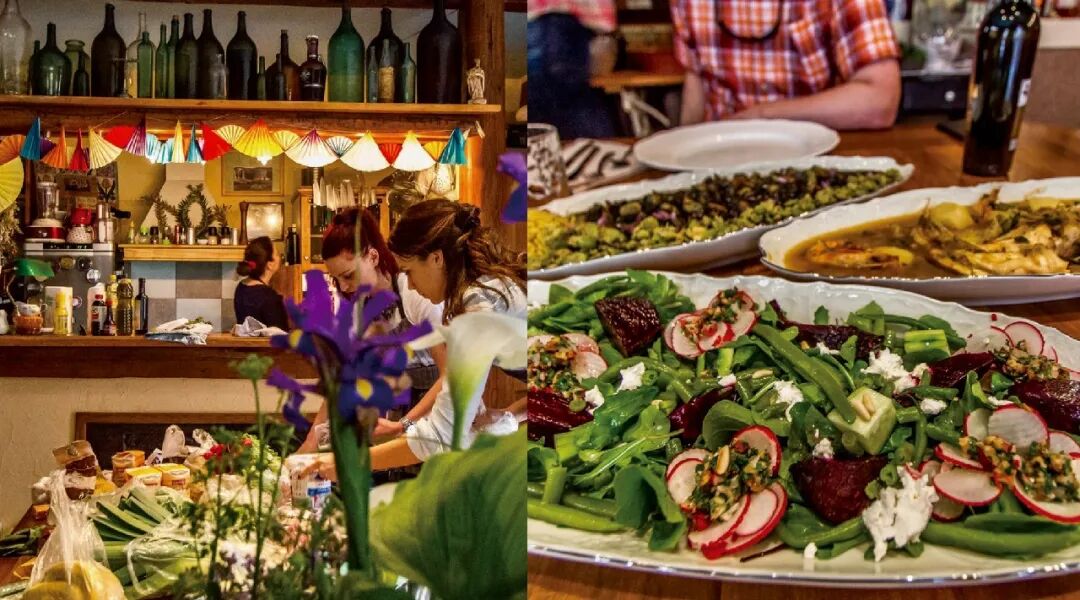
At noon, we will walk into an ancient building dating back to the 13 th century, and the owner will prepare a warm family lunch for us. Return to Split in the afternoon and enjoy the setting sun on the Adriatic Sea quietly.
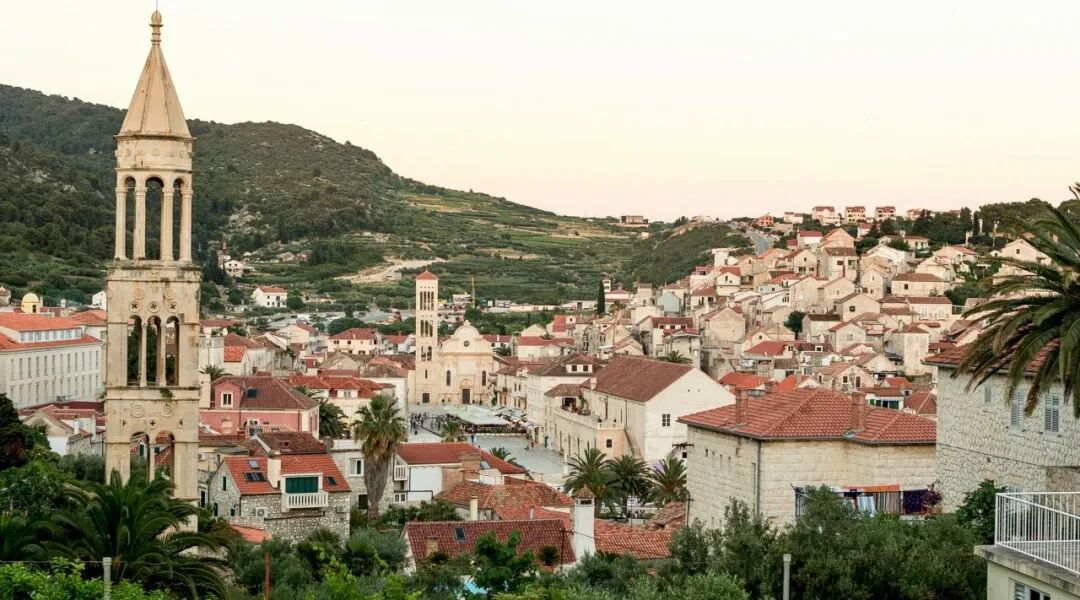
○ Stroll through the simple mountain village; Visit a 15 th century monastery donated by Croatian nobles and captains, which houses an 8-meter-long mural of the Last Supper.
○ Order a glass of local specialty Plavac wine and taste a fragrant fish stew at sunset at an authentic seafood bistro.
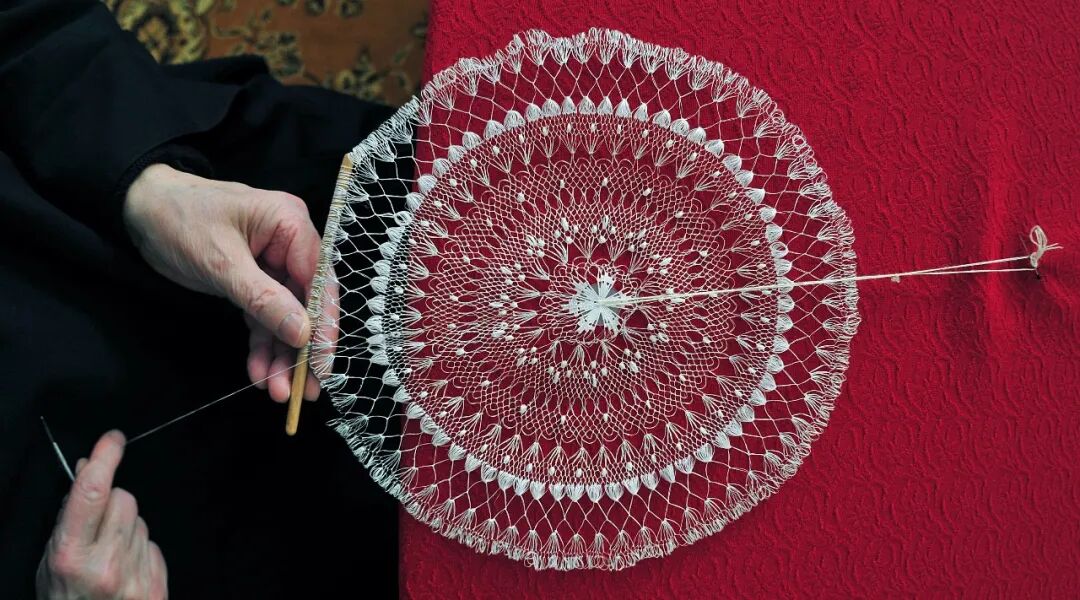
○ In the 550-year-old Benedictine monastery, the nuns still continue the craft handed down from the 19 th century, making exquisite lace from agave leaves.
HOTEL : Adriana Hvar Spa Hotel
Take a boat back to Split, and then take a bus for about 2 hours to the small town of Stone, which is famous for its delicious seafood.
Transfer to an exclusive boat and sail to the bay to learn the secrets of oyster farming and watch how fishermen harvest oysters from the sea. Relax in the shade of the sandy beach at noon with the gentle sea breeze and enjoy mouth-watering oysters, mussels, accompanied by local olive oil and wine.
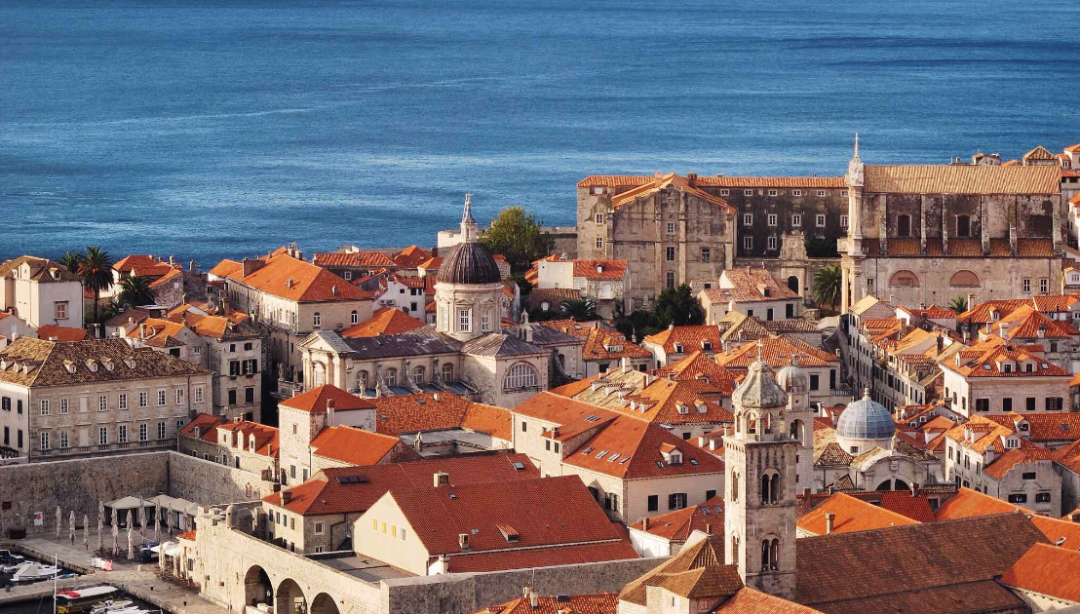
Finally, it takes about 2 hours to arrive at Dubrovnik, the “Pearl of the Adriatic Sea”. It was the seat of the medieval Republic of Ragusa and the only city-state on the Adriatic to rival Venice.
Accommodation: Select design hotels
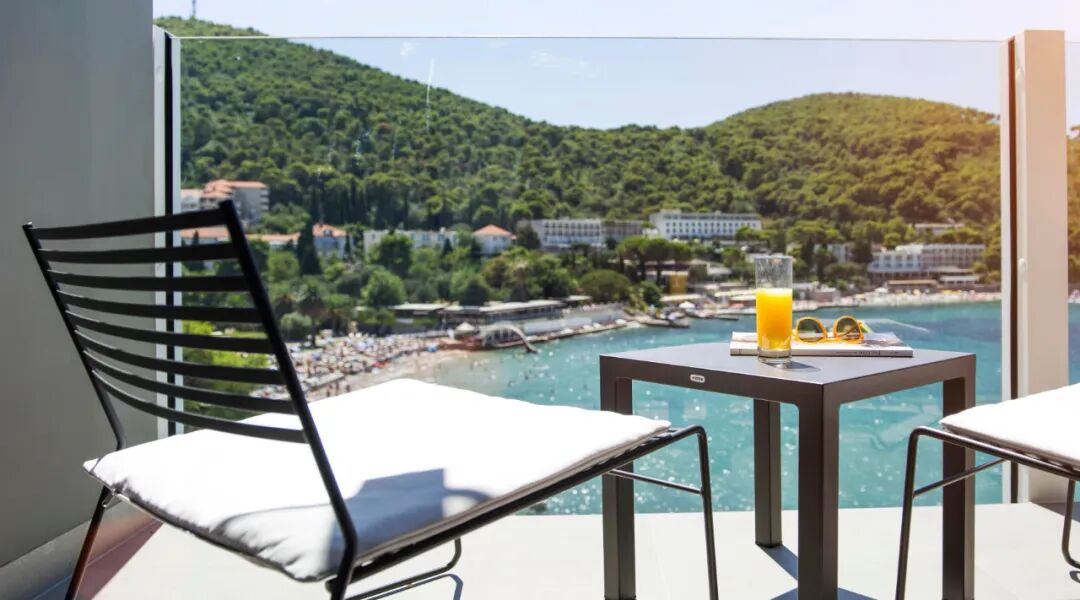
In the morning, visit Dubrovnik’s historic buildings, including churches, monasteries and museums, and feel for yourself whether Bernard Shaw’s saying, “Those who want to witness the scene of heaven, come to Dubrovnik” is true.
The afternoon is free to explore and you can:
○ Take a boat ride to a hidden bay with no road access, chat, daze and watch the sea in a tavern under fig trees.
Day 9 Pelješac Peninsula
In the morning, follow the local winemaker to Pelješac Peninsula, and experience Croatian folk customs and traditions, especially its winemaking technology, from the most authentic perspective.
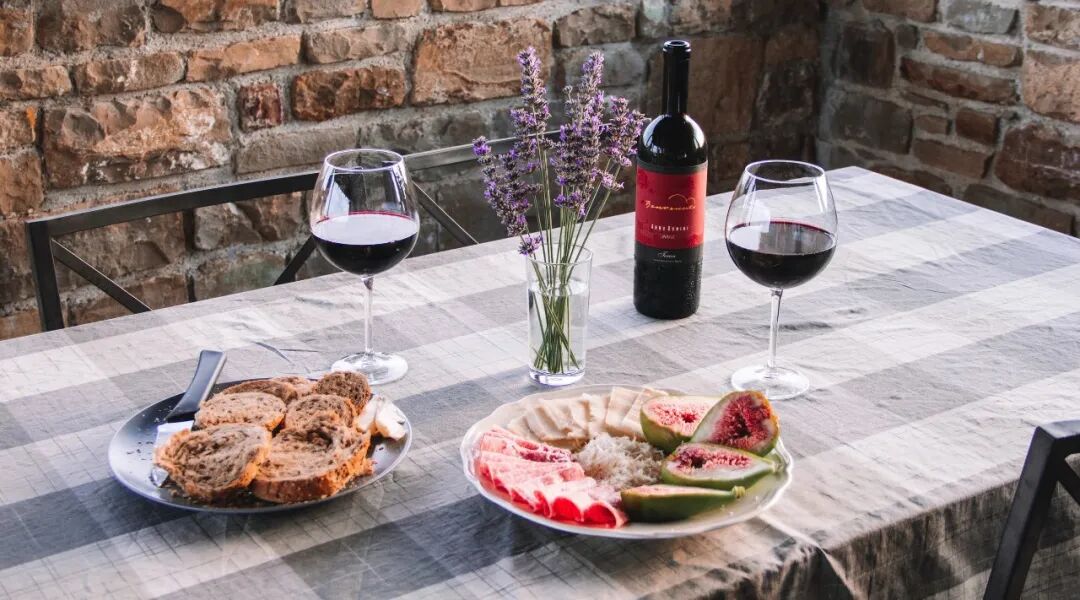
Hike the vineyards on the hillside and walk into three unique local wine cellars for wine tasting. You will meet poetic owners, businessmen returning from Napa Valley in the United States, and ancient wineries that have been inherited for 500 years. At noon, we will enjoy a traditional country lunch as if we were visiting a friend’s house.
Return to Dubrovnik before evening.
Accommodation: Select design hotels
A special bus will take you to Dubrovnik Airport to end this wonderful trip to Croatia.