
 By admin
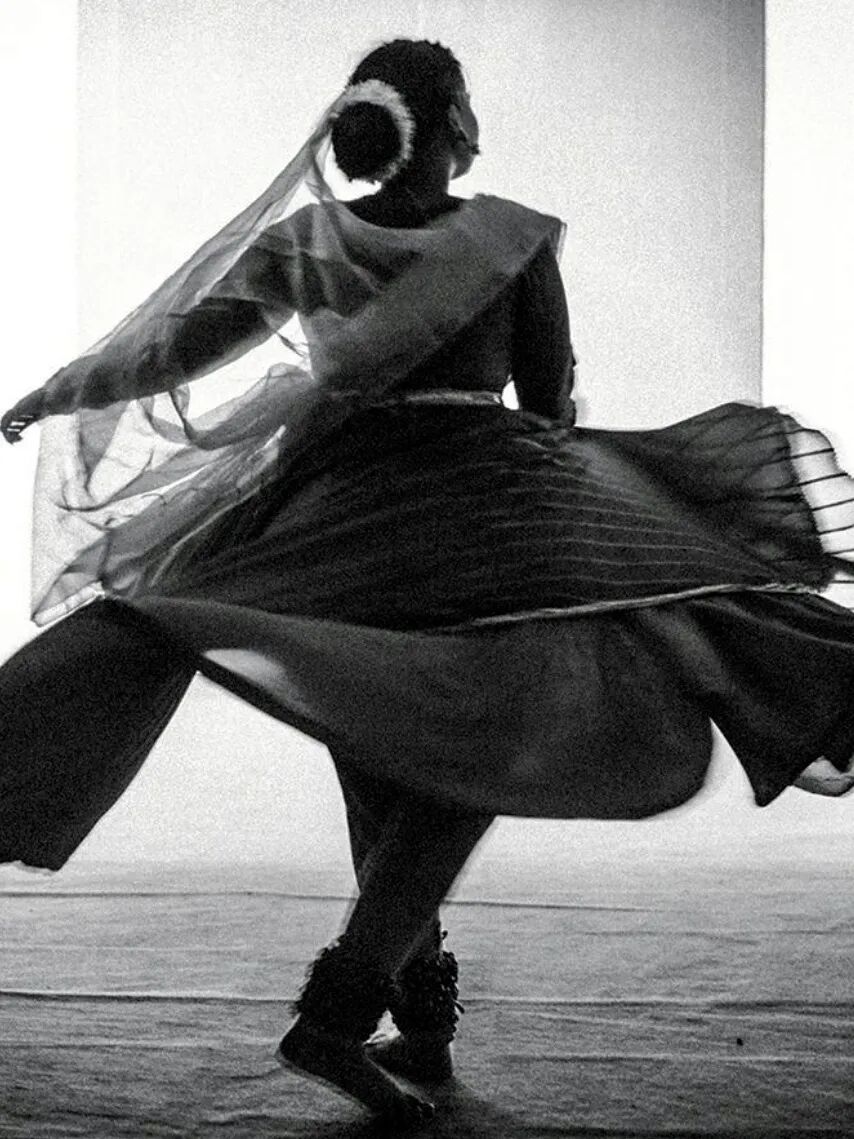
At the beginning of the summer rain, every leaf is shining green. Our guide, who is proficient in sitar, is vividly telling how five hundred years ago, Tansen, the greatest musician in Gwalior, shook people’s hearts with his melodies, and even legend has it that he can call the wind and rain. In Gwalior, the memory of the city is intertwined with music. Only through music can a foreigner really understand the city.

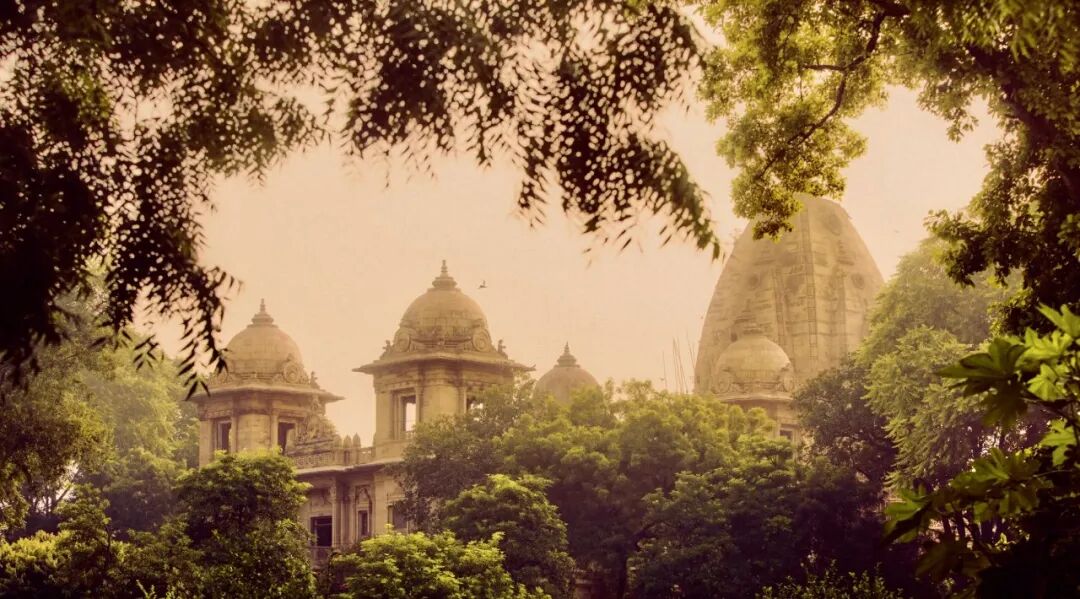
The next day, before dawn, our car was driving to the suburbs. In bleary eyes, the dilapidated palaces and civilian houses passed outside the window. After parking, we walked up a densely forested cliff with a monument to Jain religion standing at the top. Through the finely carved sandstone porch, a magnificent hilltop castle suddenly came into view. At this time, the glimmer of dawn turned pale pink, and the morning prayer music of mosques and temples all over the city echoed in the air.
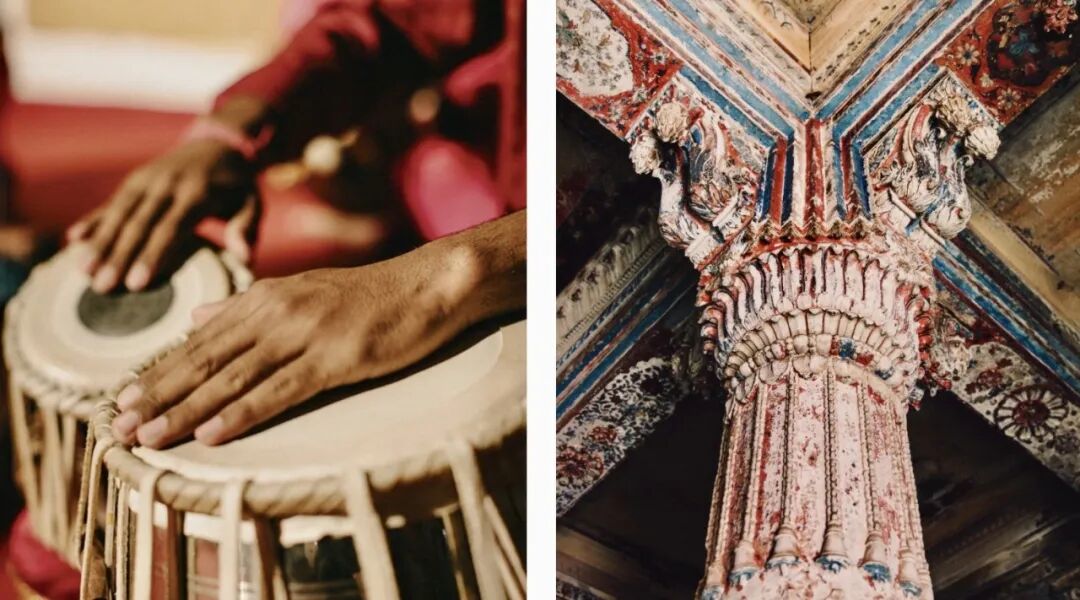
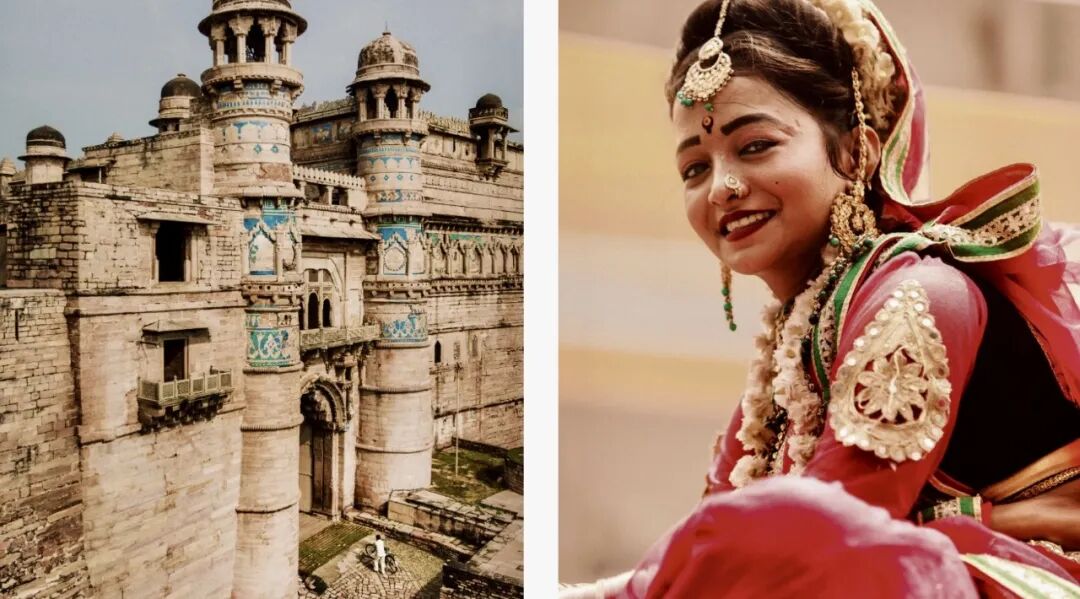
Gwalior, a name that rarely appears on the list of international or even Indian tourists. Before independence in 1947, it was one of the important cultural centers of North India, with magnificent palaces and gardens no less than anywhere else. The fortress in front of us was built in the fifth century; The Hindu temple here is engraved with the earliest known inscription of the number “zero”; And the lapis lazuli tiled palace, whose owner, the visionary king of the 16 th century, Raja Man Singh Tomar, made Gwalior an unparalleled “La La Land”.
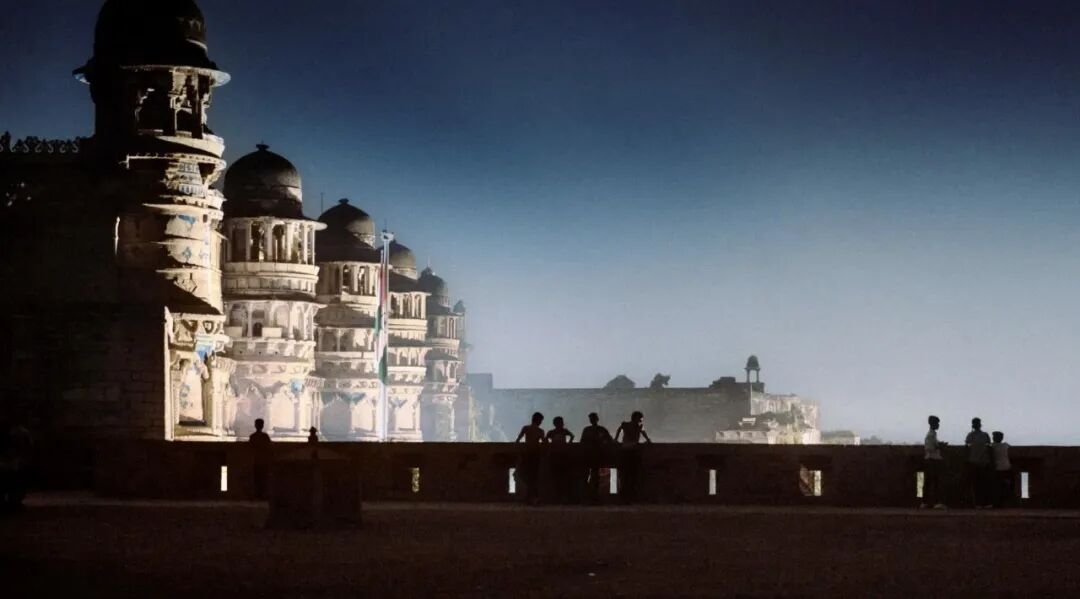
The majestic city walls are inlaid with blue and yellow ceramic decorations and dotted with exquisite domes. The palace houses a series of concert halls, with vaulted ceilings and elaborate walls that allow even the softest notes to be heard clearly. It is said that the king had gathered here the most outstanding musicians of all India to compile a masterpiece that encompassed all known musical knowledge. This great cause gave birth to the “Gwalior Music School”, and the most dazzling star among them was Tansen.
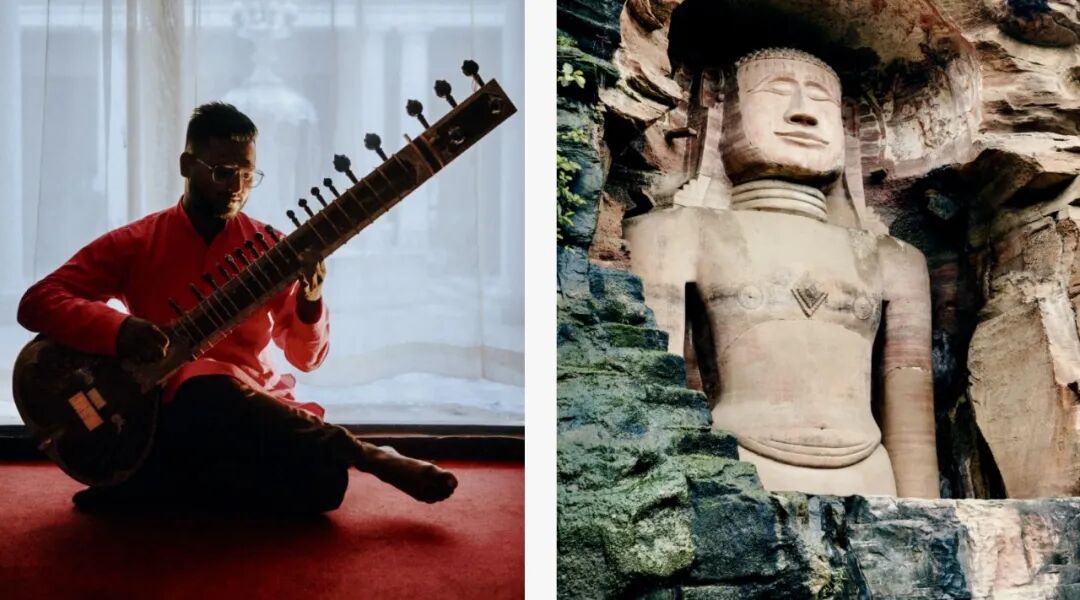
That afternoon, a concert of Tansen’s works will be staged at the Jeviras Palace. Vina Joshi, the lead singer, is petite, but her aura is enough to calm the audience. Before the performance, she announced that she would present a rain prayer song called Rag Marha. The reed organ sounded slowly, and the accompanist’s tabla drum sounded immediately, imitating the rhythm of raindrops. As Josh’s singing grew louder and louder, the drums beat more and more rapidly. She began to wave her hands, and the entire courtyard held its breath. What follows is a complicated improvisational duet with the drummer’s fingers flying over the drumhead. Two hours later, when the last note of the reed organ dissipated, in the silence, only the real raindrops were heard gently falling.
Legend has it that Akbar the Great of the Mughal Empire ordered Tansen to display divine powers. Tansen sang a deep rag, and all the candles in the palace burned with it. However, while performing this great movement, Tanson himself was dying from the tremendous heat generated in his body. The emperor realizes that only someone who can call rain with music can save him. He found Tansen’s daughter, who had just learned the Rag Mahal taught by her father. When she opened her mouth to sing, the monsoon rain suddenly came and saved her father.
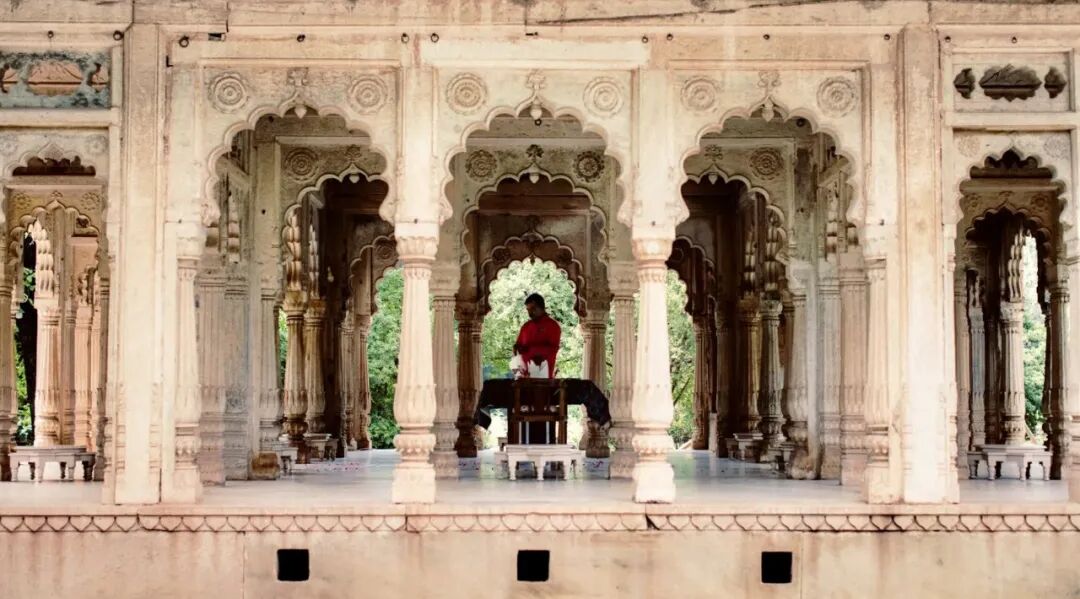
Half an hour after the concert, we walked into the vast complex of Mughal tombs. The most striking is the mausoleum of Muhammad Gauss, the Muslim yoga guru who was Tansen’s mentor. This mausoleum, carved in white sandstone and decorated with open-carved screens, was built earlier than the Taj Mahal. Sunlight passes through the “Jali” screen, casting sacred geometric spots on the ground. It is not only a historic site, but also a holy mausoleum where believers still come to pray and listen to religious music.
Not far away was Tansen’s eternal resting place. There is a tamarind tree planted by his own hands beside the tomb. Singers eat a leaf of it before the performance, believing that they can get a pure singing voice. As night falls, in the Sufi temple next to the idol of Krishna, people gather to chant kavali music. In every melody and anthem, there is God, and under the gaze of the Indian gods.
🕳