 By admin
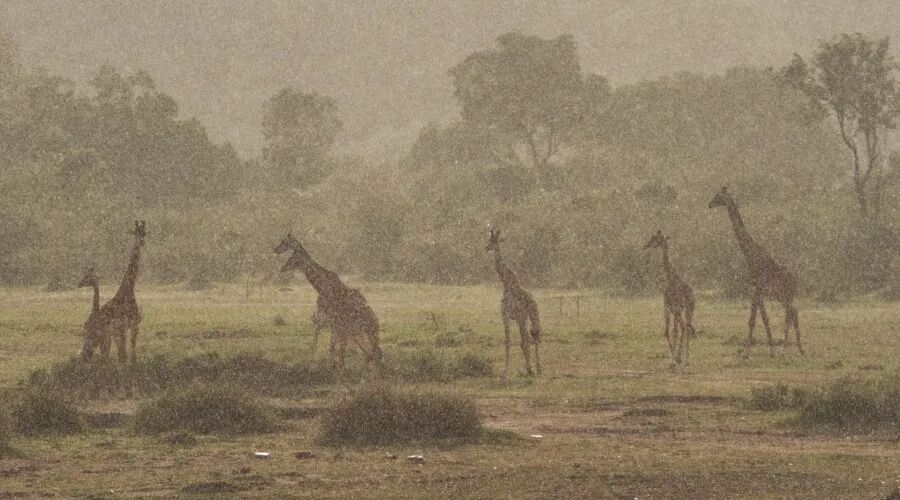
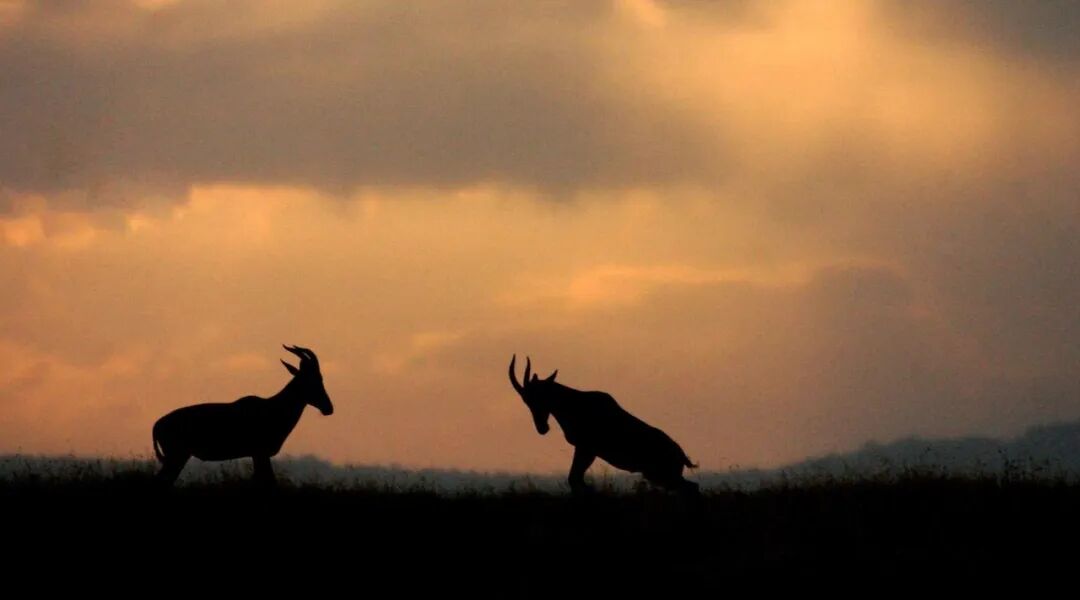
Every year from December to January, as the army of herbivores ends its long migration and reaches the short grass plains in the southern Serengeti, a grand prelude to new life kicks off. The lush grass is an ideal cradle for mothers to raise their young. Since the end of January and the beginning of February, the grassland has ushered in more than 8,000 new lives every day. In just a few weeks, more than 400,000 wildebeests and zebras were born one after another. At the same time, predators are holding their breath in the distance, waiting for their hunting moment (usually reaching its climax in March).
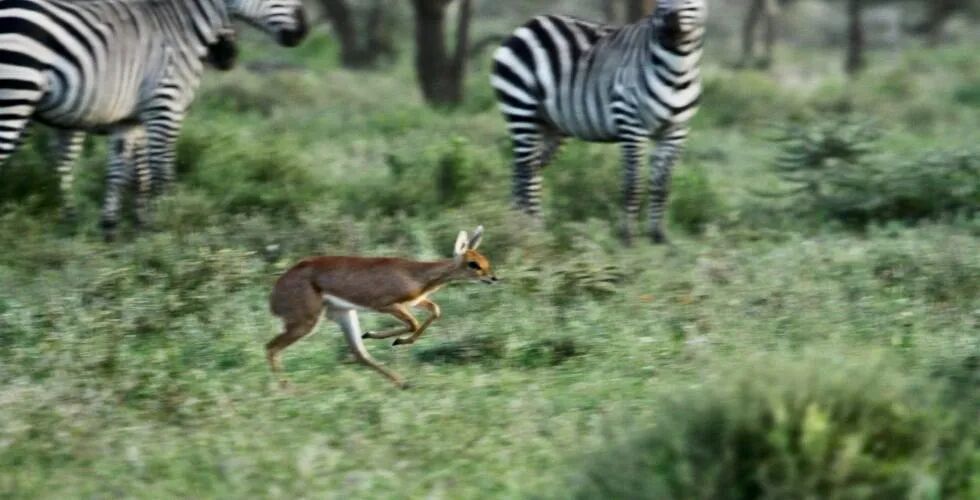
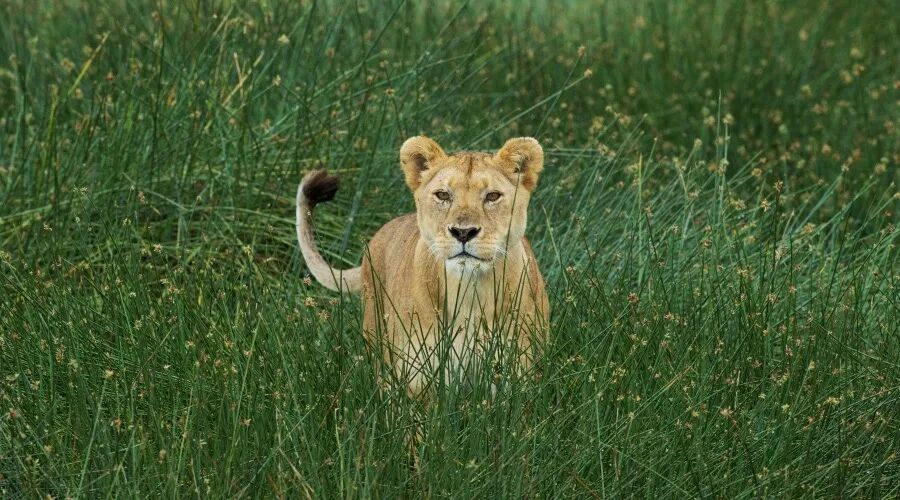
If the scene of “Crossing the Tianhe River” from July to September is a magnificent symphony, then the birth season brings a more complicated and profound inner monologue. It was like a muffled thunder under a thick dark cloud, short but shocking, and the lingering sound echoed for a long time. You will be delighted by the cute state of the little wildebeest as a toddler, moved by the mother beast’s response to the cub’s call, shocked by the lioness’s rush after its prey, and even tremble by the cruelty of the corpse being torn-and the one who executes this cruelty may just be a cute-looking lion. This life cycle intertwined with life and death, joy and sorrow is enough to arouse the deepest thinking.
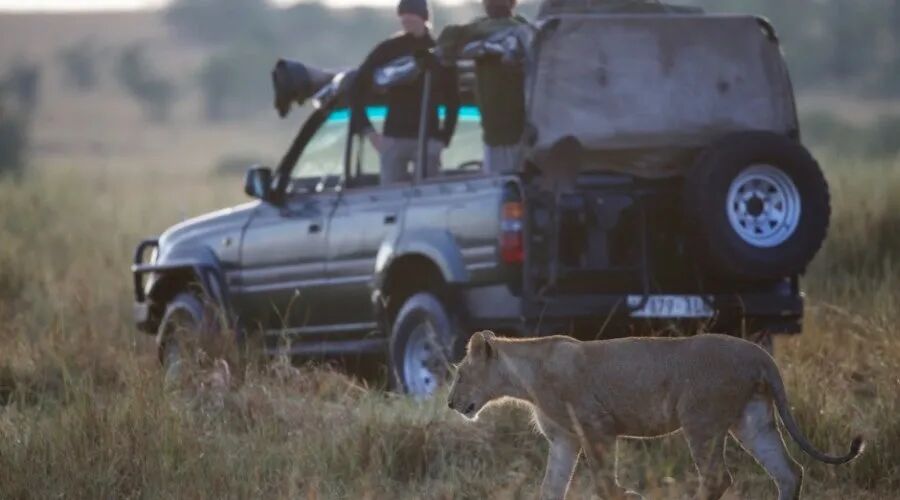
• Exclusive experience: Arrange an exclusive convertible off-road vehicle suitable for animal photography for you, and never carpool.
• Avoid crowds: Our vehicles are allowed to drive off-road, taking you deep into secret places inaccessible to mass tourists.
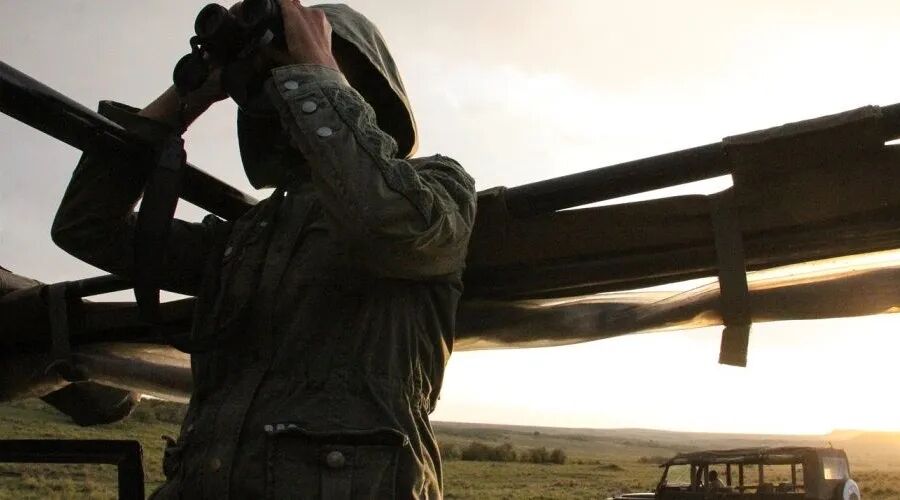
• Two-person guide team: Each vehicle is equipped with a driving guide and a full-time animal observer, double expertise and double insight.
• Top Hiking Safaris: Provides the most professional and immersive walking exploration in the industry.
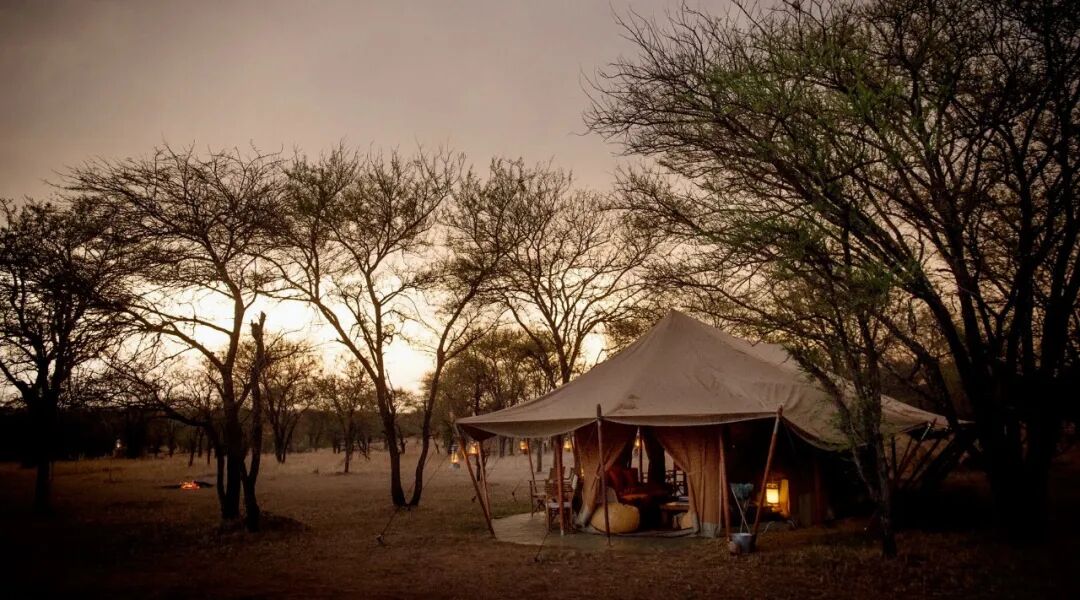
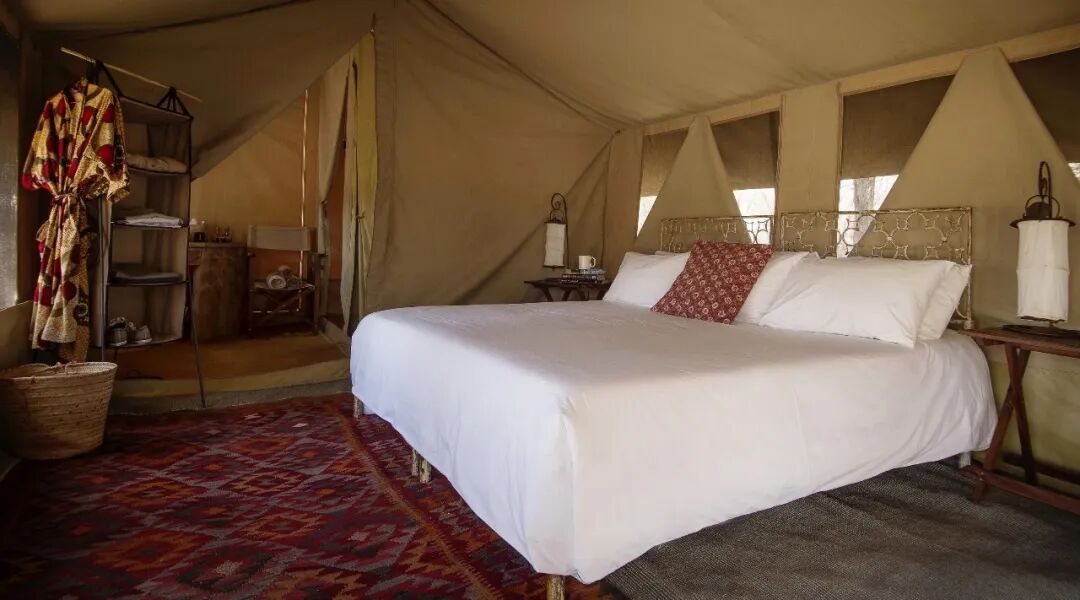
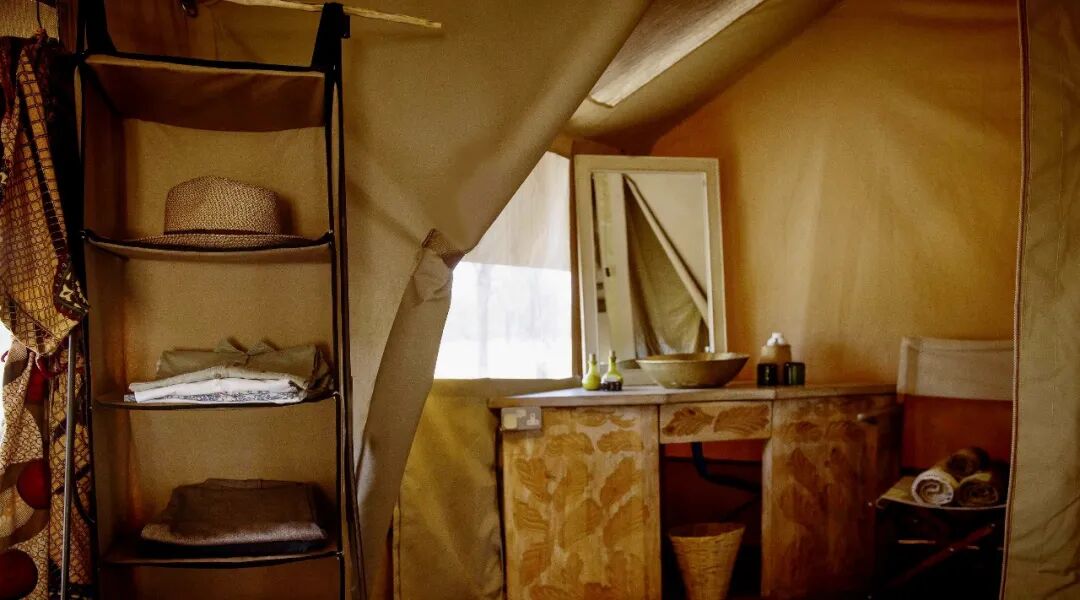
• Nostalgia Camp: Stay at two boutique camps full of explorer nostalgic style, bid farewell to the Internet completely and return to nature.
Our “two-person guide” model performs its own duties: the driving guide is responsible for explaining driving and animal and plant knowledge, while the animal observer uses his eagle-like eyes to focus on scanning the environment and tracking animal traces. All guides have been trained by professional courses, and our specially hired animal observers are mostly from local tribes. They have inherited the ancient wisdom and intuition of this land from their ancestors, and can turn book knowledge into vivid stories, presenting you with a unique and mobile master class of African wilderness.