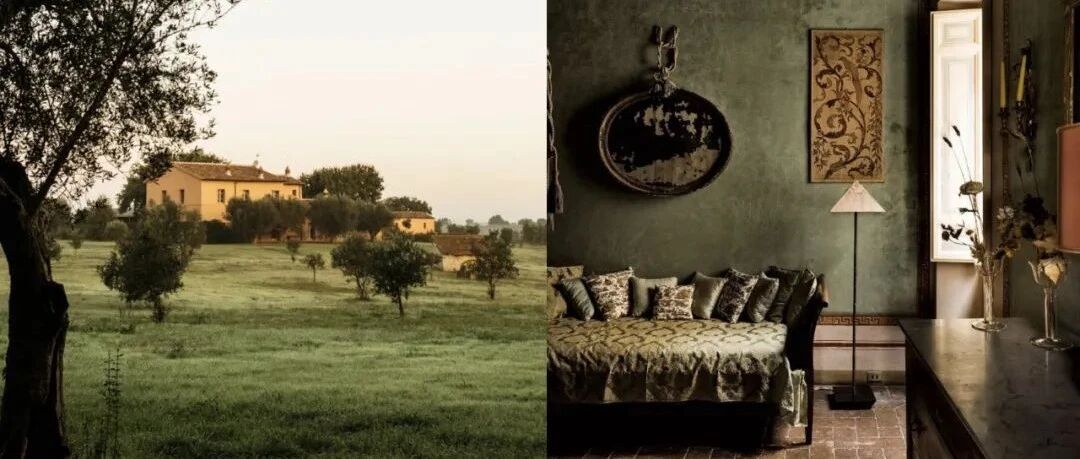
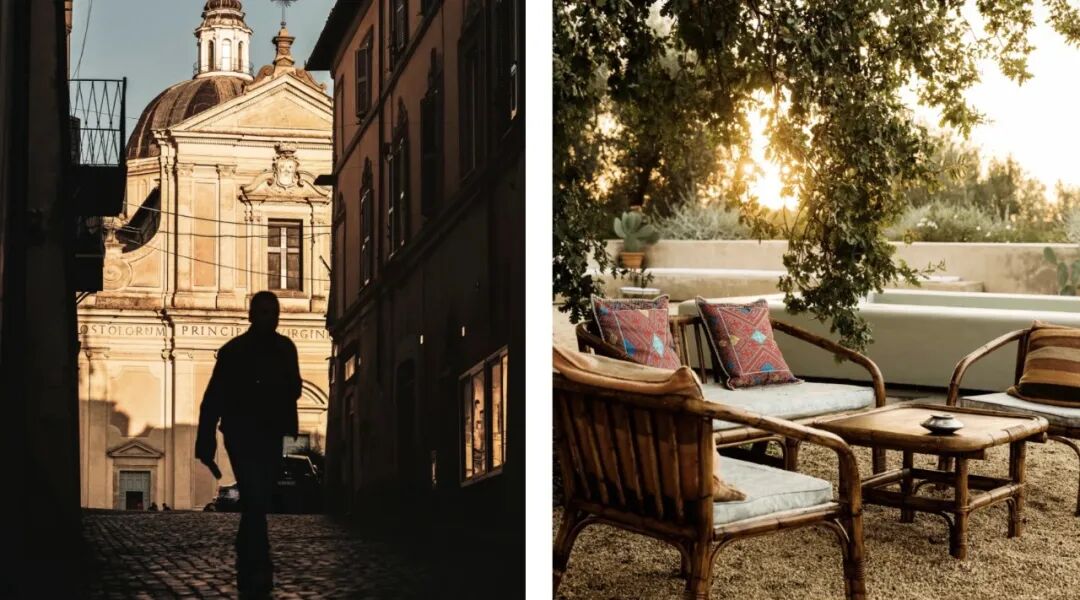
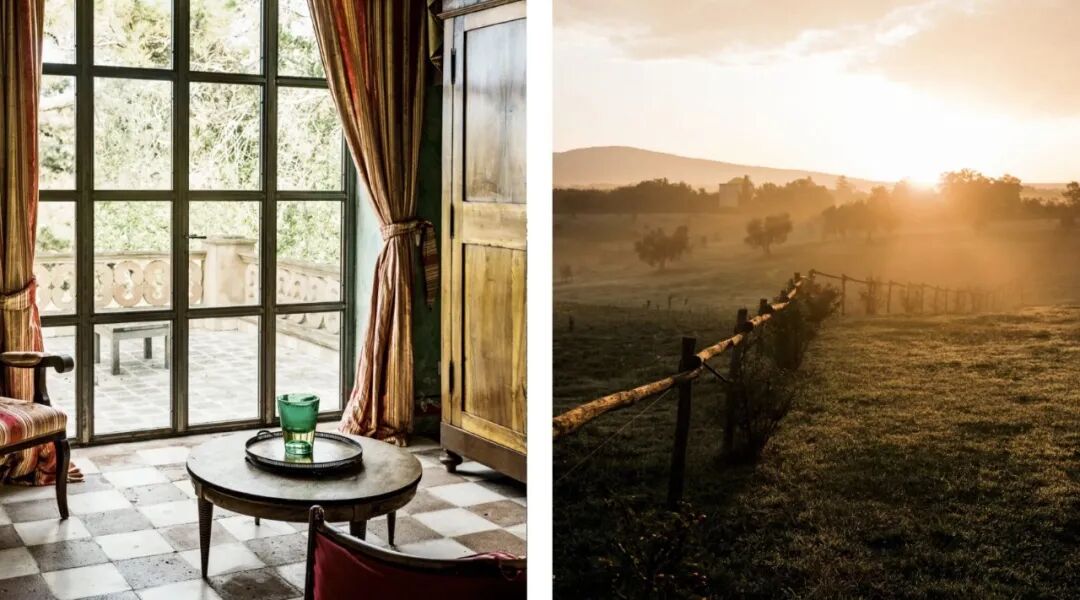
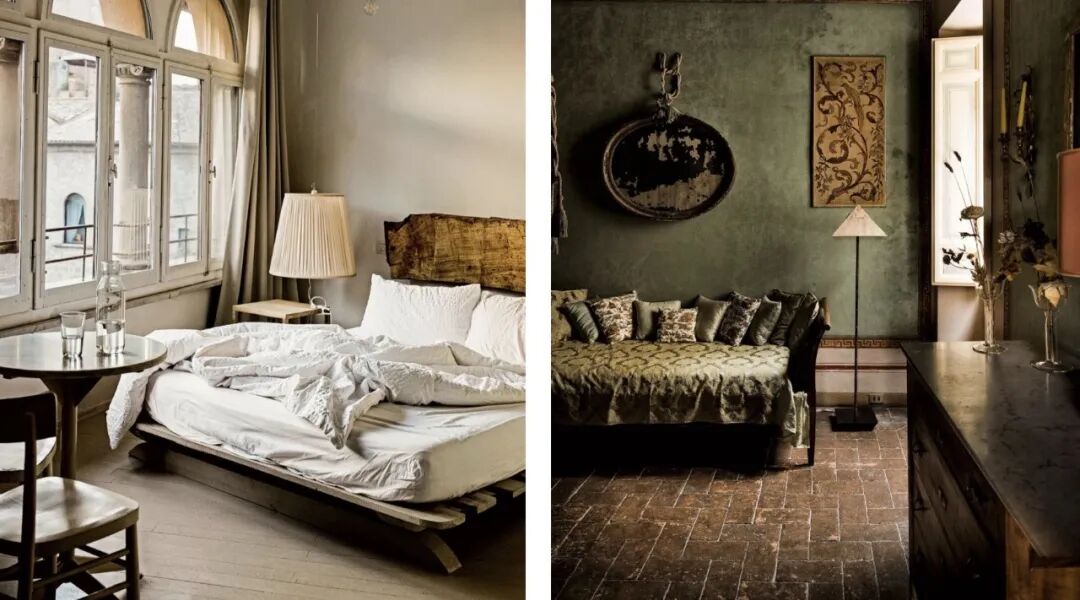
In Vetlara, the guide pulled out a few colorful ceramic fragments with irregular edges from his pocket. He said it was picked up in the nearby town of Ischia di Castro and probably from the early 18 th century. I couldn’t help but envy: Isn’t the whole of Tuscia like a pocket of broken glory? Although incomplete, it still shines with the luster of the past. Tuscia is located in the north of Lazio, Italy, close to the south of Tuscany. It was once the core of Etruscan civilization in the 8 th to 3 rd centuries BC. Later, wealthy Romans came here to escape the hustle and bustle, and many feudal manor houses were built here, including the historic Farnese and Orsini family estates, many of which are still occupied by family descendants. By the mid-20 th century, this land also attracted many European artists, writers and filmmakers. Nowadays, however, for most travelers in a hurry, it is just a humble countryside on the way from Rome to Florence, weedy and slightly lonely. Fortunately, in the past few years, some people with ideals have been patiently repairing old ancestral houses, transforming them into hotels or scenic spots, and reopening their doors to the world. For centuries, the Igliori family owned land near Lake Vico, just an hour from Rome. As a writer and photographer, Igliori returned to his hometown from new york with a romantic and unruly feeling. He is also a self-taught expert on North American aboriginal culture. In his hotel villa, ancient and modern styles intertwine and coexist. In addition to the five-room main building, there are six cottages scattered across the fields, decorated with Neapolitan floor tiles, Renaissance-style prints, and equipped with open-air swimming pools and exquisite small gardens.
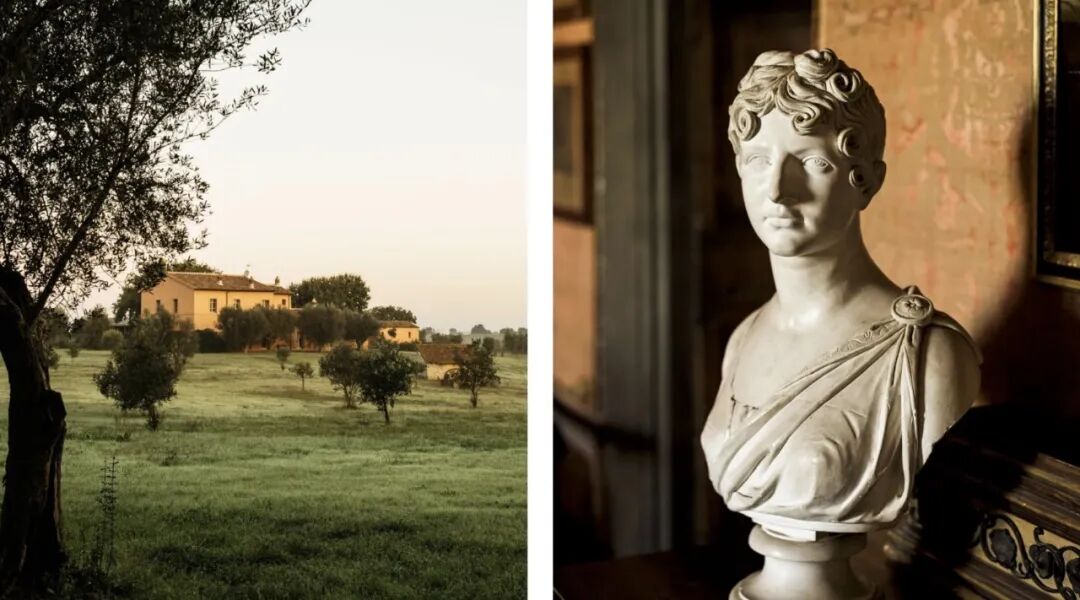
Drive westbound, past Lake Vico, and you come to the farm villa of the Mariotti family, a former FENDI executive. Ochre-colored buildings lie quietly between olive trees and rolling meadows, and several retired racehorses are leisurely on the lawn. They stroll in twos and threes, gracefully, with their heads bowed, as if pondering some profound philosophical proposition.
The villa displays various collections of the owner: Senegalese woodcarvings, Mexican war drums, Afghan carpets, and even props used in the FENDI fashion show that year. The huge dining table in the dining room was actually a piece of petrified wood shipped all the way from New Zealand. However, people prefer to sit on the lawn in front of the hay barn. By the flickering candlelight, watch the setting sun outline a deep silhouette for the horses.
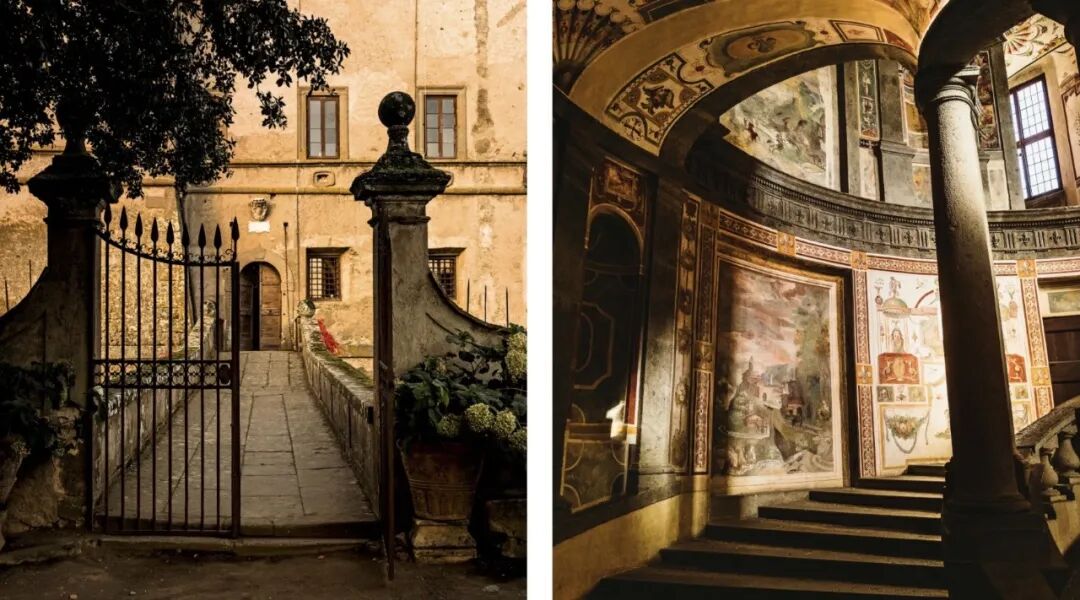
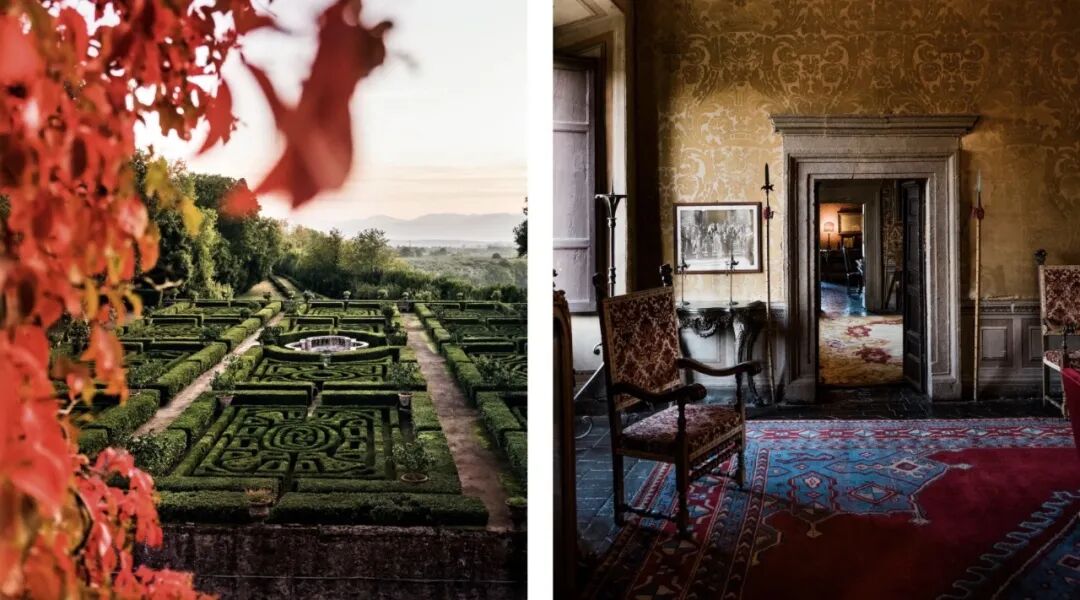
During the day, drive along the country road to Rospoli Castle. The stone walls of the garden are engraved with the abbreviations of the family ancestors. Three centuries have made this genealogy extremely lush. The history of the castle dates back to the time of Pope Leo IV (847-855 AD), when it was used as a Benedictine monastery. In 1531, Pope Clement VII gave it to the Farnese family, and later changed hands as a dowry for marriage, and it was renamed Marescotti Castle. In 1704, the Rospoli family from Florence moved to Siena and married with the Marescotti family through marriage, so the castle has continued to use the name of “Rospoli” to this day. Within the high walls, there are not only generational contests between families, but also heard-about murders.

 By admin