
 By admin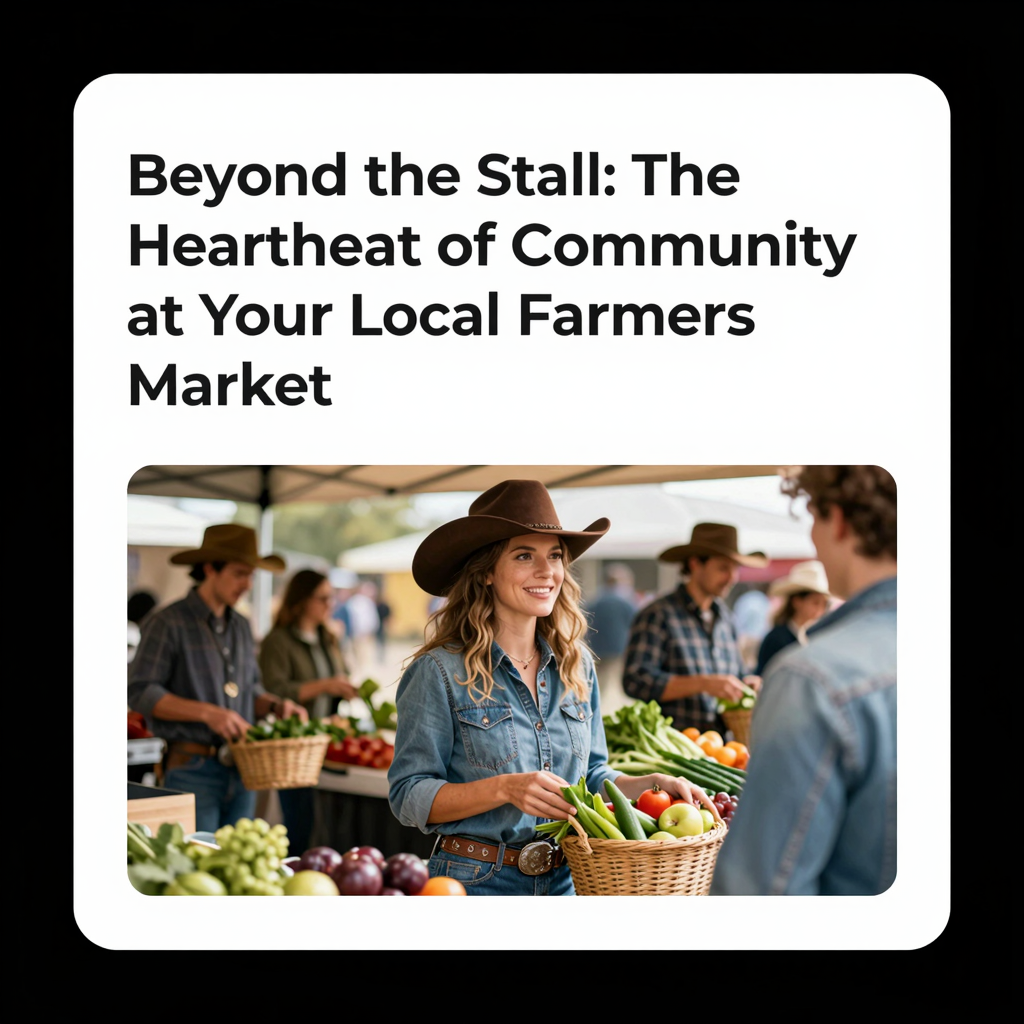
The scent of sun-warmed earth mingles with the sweetness of ripe berries. Laughter bubbles up between stalls overflowing with vibrant greens, jewel-toned heirloom tomatoes, and jars of golden honey. The gentle hum of conversation replaces the sterile silence of supermarket aisles. This is the unique symphony of the farmers market – a place far more significant than just a venue to purchase groceries. It’s a living, breathing testament to community, sustainability, and the deep-rooted connection between land and table. For centuries, markets have been the cornerstone of towns and cities, and today’s farmers markets carry on that tradition, offering a vital alternative to industrialized food systems while nourishing both body and soul.
More Than Just Fresh Produce: The Multifaceted Benefits
While the allure of just-picked, peak-season produce is undeniable – think strawberries that actually taste like strawberries, or greens so crisp they snap – the advantages of shopping at a farmers market extend far beyond superior flavor and freshness. It’s an experience that ripples outwards, impacting personal health, local economies, and the environment.
Nutritional Powerhouse and Flavor Revelation
Food begins to lose nutrients the moment it’s harvested. Produce destined for supermarket shelves often travels vast distances, sometimes ripening artificially en route. In contrast, farmers market goods are typically harvested within 24-48 hours of sale, often at peak ripeness when their vitamin, mineral, and antioxidant content is highest. This means you’re getting food with superior nutritional integrity. Furthermore, many market farmers prioritize taste and quality over shelf life or uniformity, growing diverse, heirloom varieties bred for flavor rather than transport resilience. The result is an explosion of taste that supermarket produce often lacks.
Fueling the Local Economy: Your Dollars at Work
When you buy directly from a farmer or artisan at the market, a significantly larger portion of your dollar stays within the local community compared to purchasing the same item at a chain store. This creates a powerful economic multiplier effect:
- Direct Support: Farmers receive a fairer price for their goods, allowing them to reinvest in their land, equipment, and labor.
- Sustaining Small Farms: Markets provide a crucial outlet for small and mid-sized farms, helping them compete and stay viable against large-scale industrial agriculture.
- Job Creation: Thriving farms and associated businesses (like local creameries or bakeries selling at markets) create local jobs.
- Community Wealth: Money circulating locally supports other businesses – the carpenter who fixes the farmer’s truck, the local restaurant sourcing market ingredients, the nearby hardware store.
It’s a tangible way to invest in your neighbors and the economic health of your region.
A Greener Choice: Sustainability in Action
Choosing local food inherently reduces your carbon footprint. The “food miles” associated with transporting produce across countries or continents are drastically minimized. But the environmental benefits go deeper:
- Seasonal Eating: Markets encourage eating with the seasons, which is inherently more sustainable than demanding out-of-season produce grown in energy-intensive greenhouses or shipped from afar.
- Reduced Packaging: Farmers market goods often involve minimal packaging – think reusable tote bags and baskets instead of layers of plastic wrap and Styrofoam trays.
- Supporting Sustainable Practices: Many market farmers (though not all certified) utilize organic, regenerative, or other environmentally conscious farming methods that prioritize soil health, water conservation, and biodiversity. You can ask them directly about their practices!
- Preserving Farmland: By supporting local farms financially, markets help keep agricultural land in production, preventing development and preserving green spaces.
Mastering the Market: Tips for a Successful Trip
Stepping into a bustling farmers market for the first time can be exhilarating but slightly overwhelming. A little preparation goes a long way in ensuring you get the best experience and the best goods.
Planning Your Adventure
Treat your market visit like a mini-adventure. Do some homework!
- Know Your Market: Find out the day(s), time(s), and location(s). Check if they have a website or social media page – many post vendor lists, seasonal availability guides, and special event announcements.
- Bring the Right Gear: Reusable shopping bags (sturdy ones for heavier items!), small bills and change (though many vendors accept cards now, cash is often preferred and faster), a cooler bag for perishables (especially on warm days), and water are essentials. Comfortable shoes are a must!
- Arrive Early (or Strategically Late): Early birds get the widest selection of the most popular items. Arriving later might score you deals as vendors look to sell remaining stock before packing up.
- Embrace Flexibility: Come with meal ideas rather than a rigid shopping list. Be open to what looks best that day. Let the season guide your menu!
The Art of Shopping and Connecting
The market experience thrives on interaction. Don’t be shy!
- Take a Lap: Walk the entire market first to see what’s available, compare prices and quality, and spot unique finds before committing your cash.
- Ask Questions: This is the golden rule! Ask farmers how they grow their food, when it was picked, or how to prepare an unfamiliar vegetable. Ask artisans about their process. Their knowledge is invaluable.
- Build Relationships: Returning to the same vendors fosters connection. They get to know your preferences, and you learn more about their story and products. This trust is foundational.
- Sample When Offered: Trying before you buy is a great way to discover new favorites and ensure you like something.
- Respect the Flow: Be mindful of other shoppers, don’t block stalls while chatting, and handle produce gently.
Bringing Your Bounty Home
Getting the food home safely and storing it correctly ensures you enjoy its peak freshness.
- Handle with Care: Place delicate items like berries or herbs on top in your bags.
- Prioritize Perishables: Get items that need refrigeration (dairy, meat, certain veggies) home quickly. Use that cooler bag!
- Learn Proper Storage: Not everything belongs in the fridge. Tomatoes lose flavor when chilled; potatoes and onions prefer cool, dark, dry places. Research or ask the farmer for storage tips.
- Plan for Use: Eat the most delicate items first. Heartier produce like root vegetables or winter squash will last longer.
The Heart of the Matter: Cultivating Community
Beyond the economics and the environmental benefits, the true magic of the farmers market lies in its power to foster community. In an age of digital connection and often impersonal transactions, the market offers a space for genuine, face-to-face interaction.
It’s a place where neighbors greet each other, where children marvel at the colors and shapes of unfamiliar vegetables, where local musicians find an audience, and where community groups can share information. It breaks down isolation and creates a shared sense of place. You learn the story behind your food – the family who tends the orchard, the couple who started the microgreens business, the baker who wakes before dawn. This connection transforms a simple transaction into a meaningful exchange. You’re not just buying lettuce; you’re supporting Brenda and Tom’s dedication to chemical-free farming.
Markets also become hubs for food education. Cooking demonstrations showcase how to use seasonal ingredients. Farmers gladly share preparation tips for less common items like kohlrabi or rutabagas. Nutritionists might offer advice. This builds food literacy and inspires home cooking with fresh, whole ingredients. Furthermore, many markets accept programs like SNAP/EBT, WIC, and Senior Farmers Market Nutrition Program vouchers, increasing access to healthy, fresh food for diverse community members and addressing issues of food deserts in some areas.
The atmosphere is inherently joyful. There’s a palpable energy – the buzz of commerce intertwined with shared appreciation for good food and local craftsmanship. It’s a weekly celebration of abundance, hard work, and connection. You leave not just with groceries, but often with a sense of belonging and a lighter spirit.
A Vital Thread in the Fabric of Local Life
The farmers market is far more than a quaint weekend activity. It’s a dynamic ecosystem that nourishes on multiple levels. It delivers unparalleled freshness and flavor, putting nutrient-dense food on our tables. It acts as a powerful economic engine, circulating dollars locally and sustaining the vital work of small-scale farmers and food artisans. It offers a more sustainable model for food consumption, reducing environmental impact and encouraging seasonal eating. Most profoundly, it weaves the threads of community tighter, creating a vibrant public space where connections are forged, stories are shared, and the gap between producer and consumer narrows to a friendly conversation over a basket of peaches.
Supporting your local farmers market is an investment – in your health, in your local economy, in the environment, and in the social fabric of your community. It’s a choice to step away from the anonymity of the global food chain and into a space brimming with life, authenticity, and the simple, profound pleasure of food grown and shared with care. So, grab your reusable bags, embrace the season’s offerings, and discover the vibrant heartbeat of your community at the farmers market.