 By admin
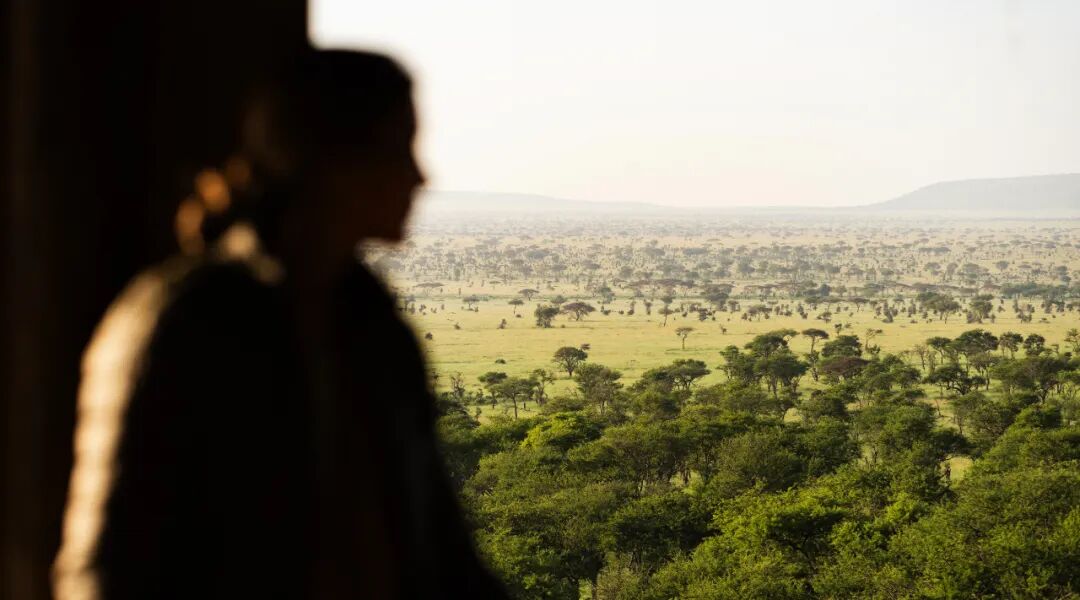
• Visa facilitation countries: Jordan, Oman, Egypt, Morocco, Kenya, Tanzania, Namibia, Madagascar, Nepal, Cambodia, Laos
• In the best season: Iceland, Norway, Italy, Spain, Portugal, Greece, Romania, Croatia

01
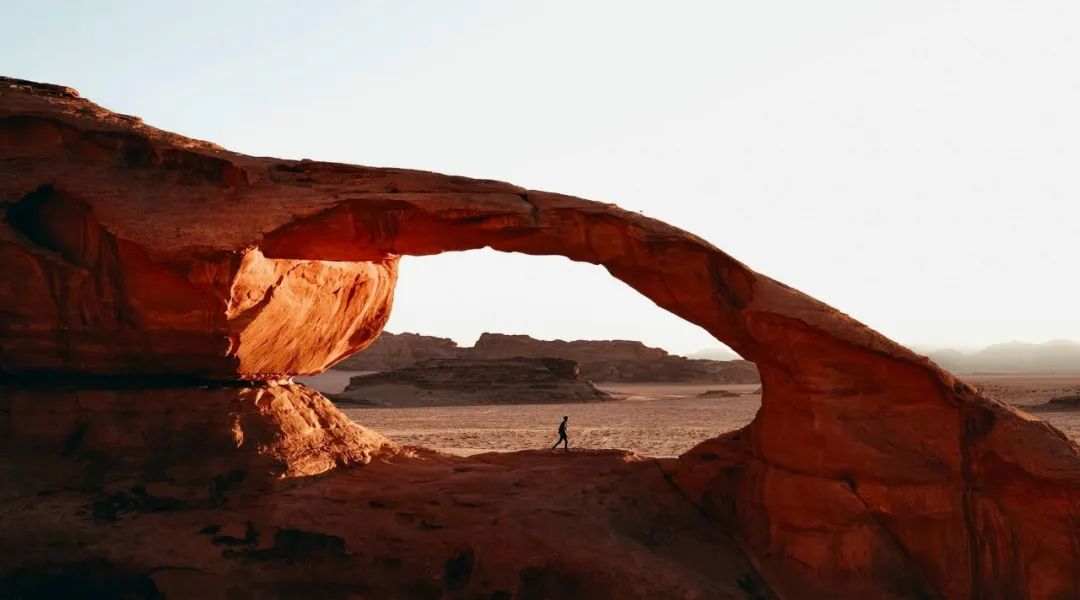
Jordan, located in the northwest of the Arabian Peninsula, is slightly inferior to Egypt in terms of historical monuments, but it has a balanced cultural and natural experience and a richer overall sense of travel. The classic Amman-Petra-Wadi Ram Desert-Dead Sea route may seem conventional, but we insist on hiring the best local motorcades and guides, and make differentiated in-depth arrangements.
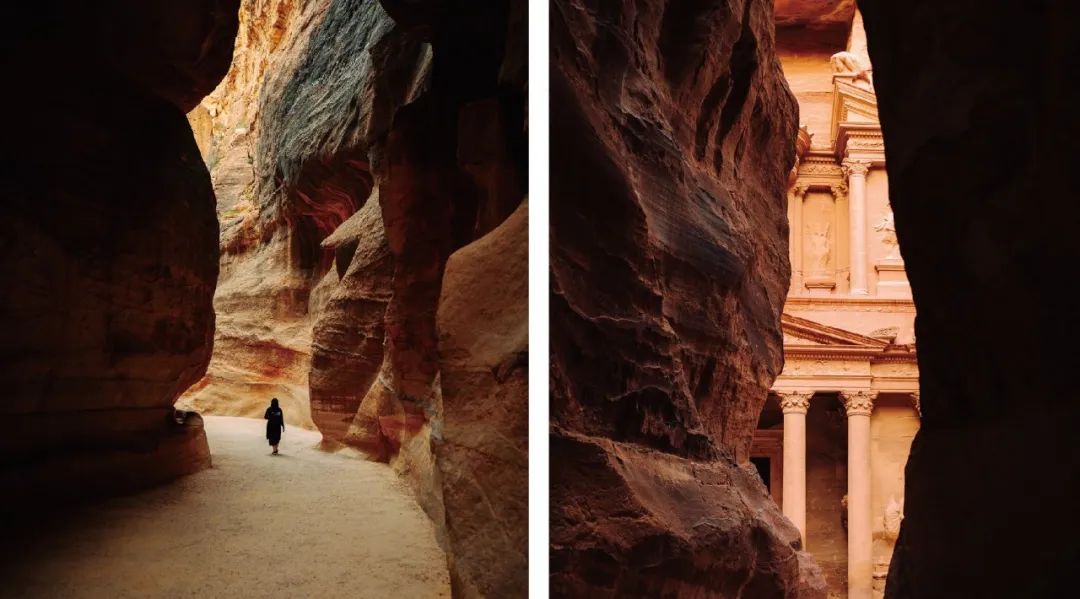
Our route abandoned the popular Jerash ruins and instead went deep into the eastern desert of Amman to visit the ancient fortress with beautifully painted interior remains of the Umayyad dynasty. In Wadi Ram, the “Moon Valley”, we chose to stay in a little-known niche camp with only 12 tents. During the day, we can challenge to climb the natural stone arch as high as 80 meters.
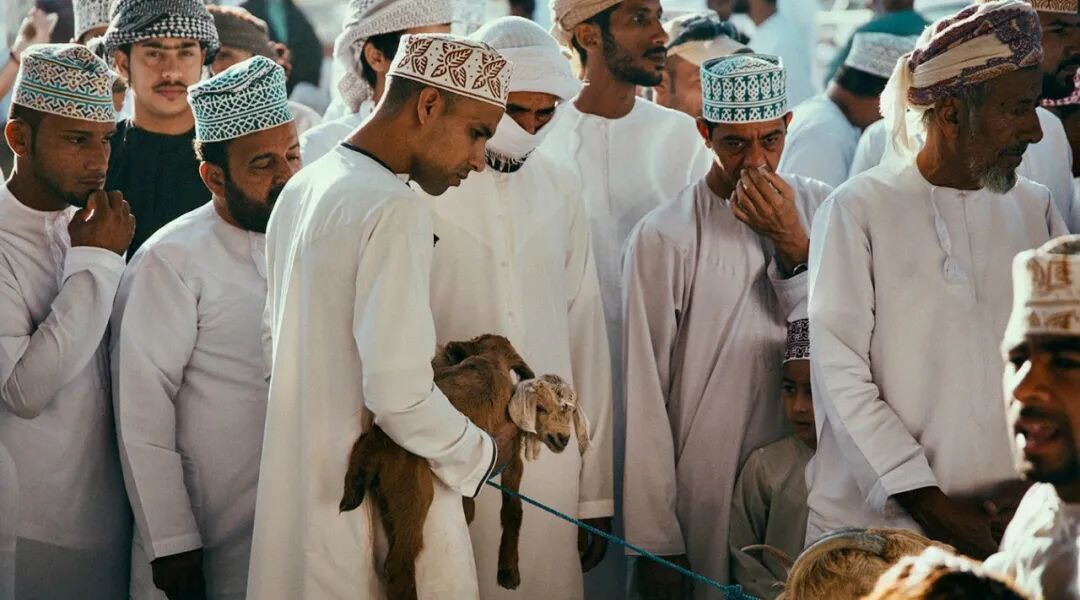
Another low-key treasure country isOman, it has been hailed as the rising star of Middle East travel in the next decade. It has an excellent safety reputation and rich and diverse landforms (suitable for various outdoor sports). It not only adheres to traditional Arab culture, but also actively embraces international investment. It has gathered many international luxury hotels and high-quality local hotels.
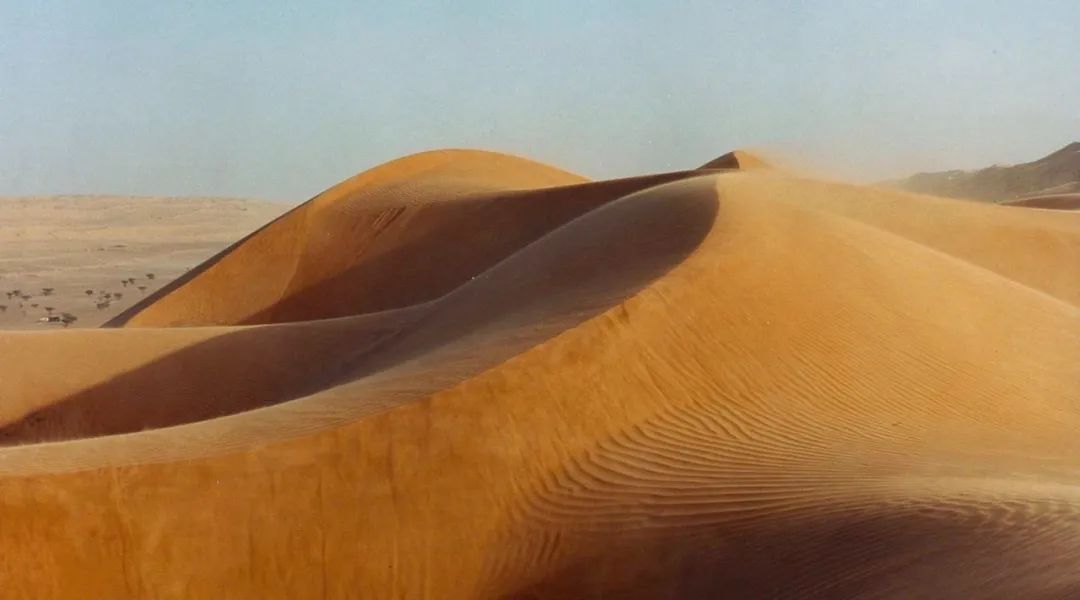
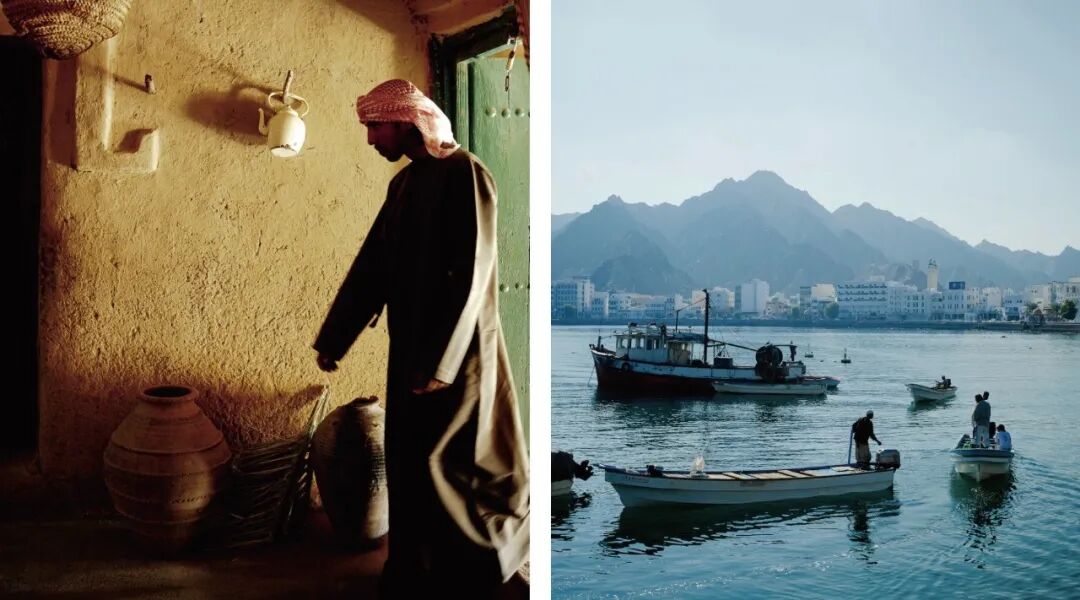
For non-Muslim tourists, the trip to the Middle East is easy to fall into the dilemma of “Truman World”-it seems that they are in the local area, but it is actually difficult to touch the real society and culture. For this reason, we insist on employing only Omani guides. They are not only language bridges, but also have a deep understanding of their own culture and beliefs. For example, in Muscat, the capital, you will follow a guide who emigrated here from Lebanon in 1960 s. Through his rich network of contacts, you will get to know locals from all walks of life and truly feel the social changes of this country in the past sixty years.

02
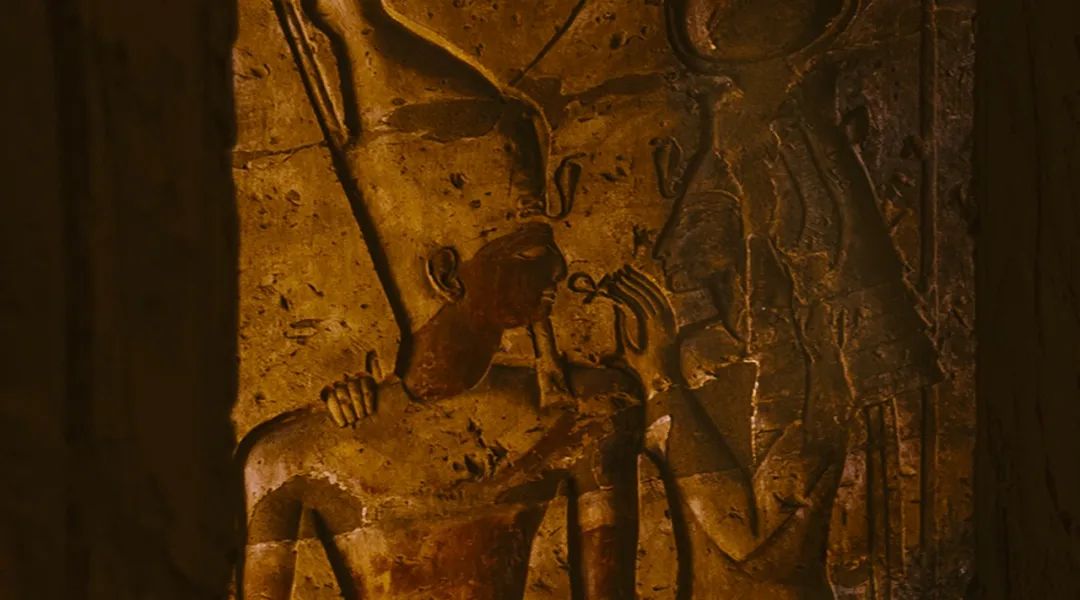
InEgypt, we offer two versions of the classic route: hotel and Nile river ferry, both of which can fully explore the core archaeological sites on both sides of the river. Our itinerary includes items that are not accessible to public touristsTomb of Pharaoh Seti IWithQueen Nefeltali’s Mausoleum(The murals are extremely well preserved); One-day round trip to Abu Simbel by inland flight, saving 7 hours of long drive; In particular, the theme exploration of Islamic civilization in Cairo will be added, taking you to visit ancient mosques and tracing the spread and influence of Islamic culture in Egypt since the 7 th century.
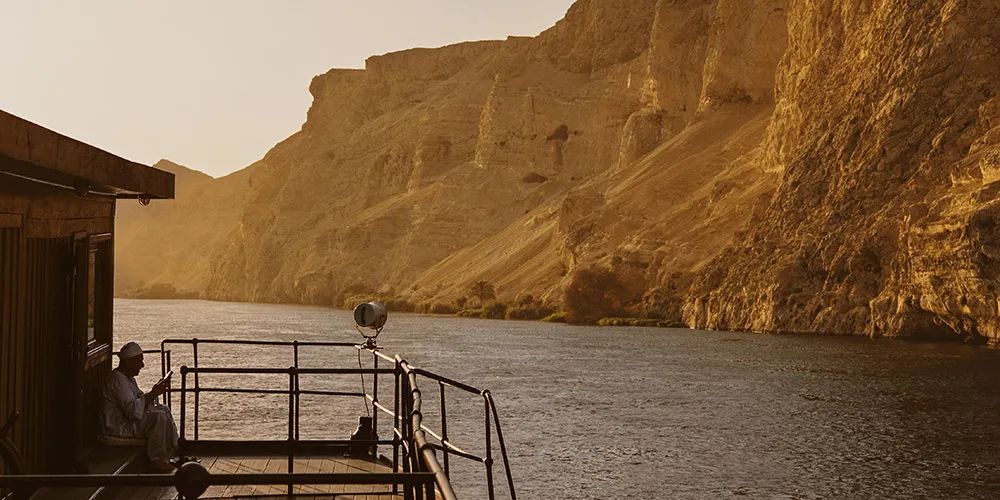
In response to the often criticized service problems in Egypt’s tourism industry, we have set the strictest standards in the industry for vehicle conditions and the employment of drivers and guides. In particularguideThe quality of Egypt can be described as the key to determining the experience of the trip to Egypt. Our guide team has the following qualities:
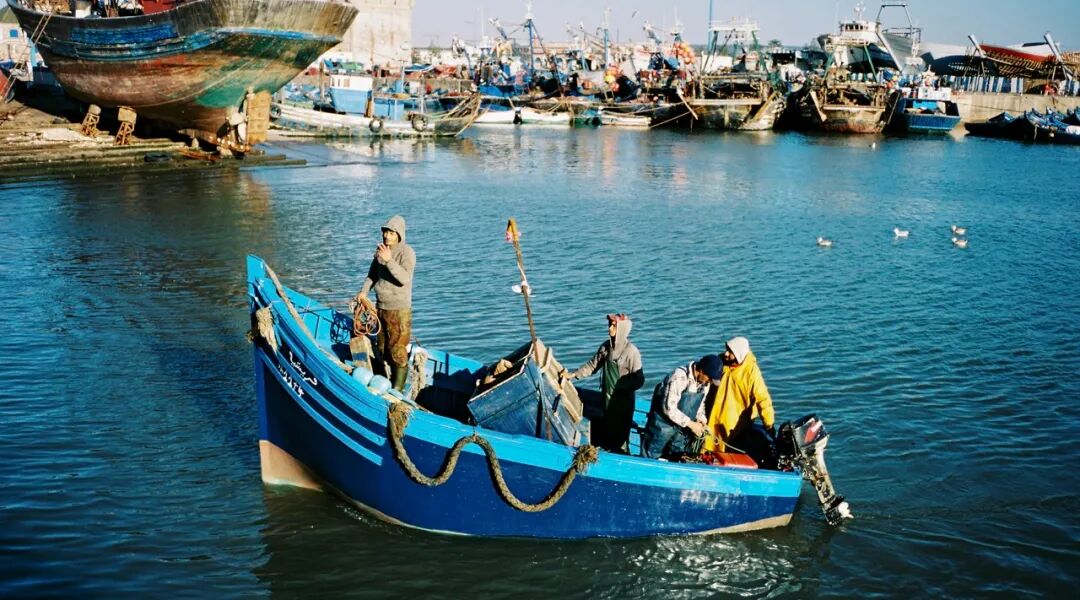
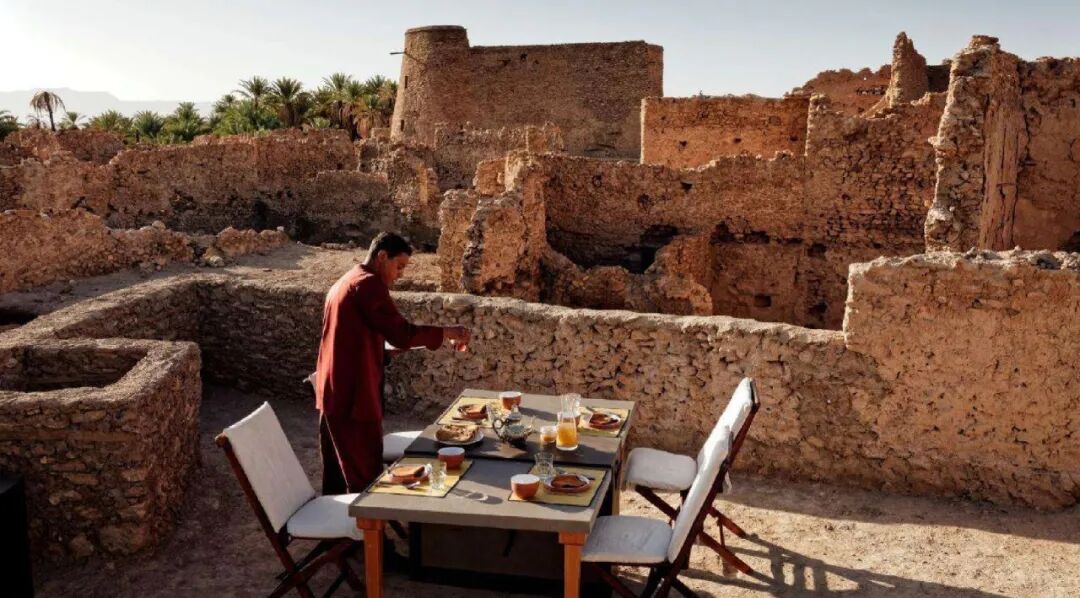
Across the sea from EuropeMorocco, now deeply mired in the predicament of excessive commercial development, the classic loop (Marrakech-Sahara-Fes-Chefchaouen) is the same, and it is tired of Internet celebrities punching in. To break this situation, since 2016, we have collaborated with local artists to open exclusively to Chinese travelers3 privately designed homes。 Each mansion is full of rich North African mystery, and it is only for your group’s private use, and no outsiders will disturb it. They are located in a quiet and remote place, helping you avoid crowds and explore the southern deserts and ancient villages that are rarely visited by tourists.
03

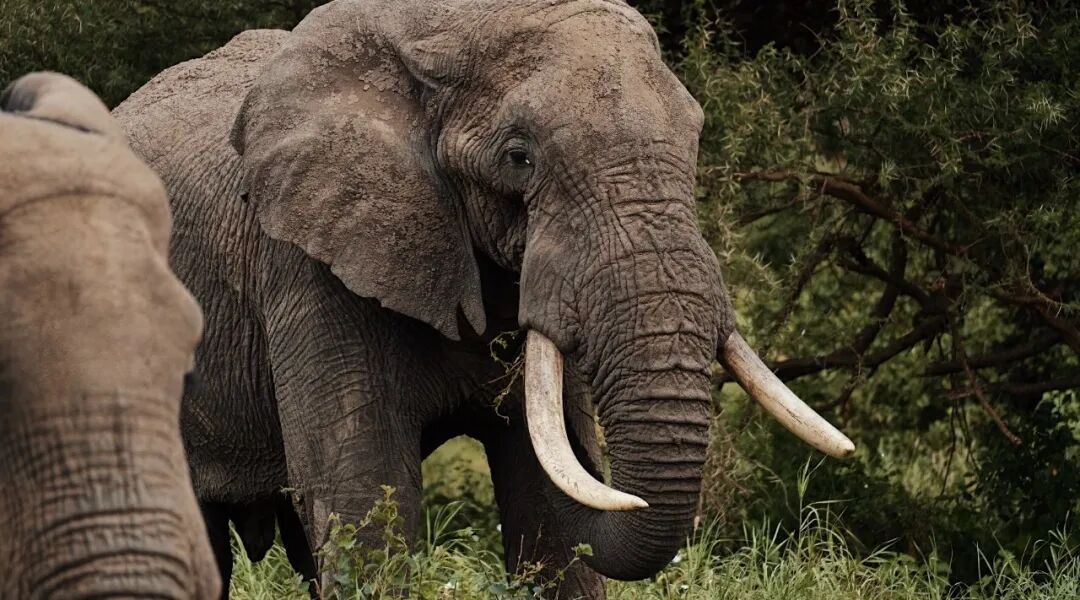
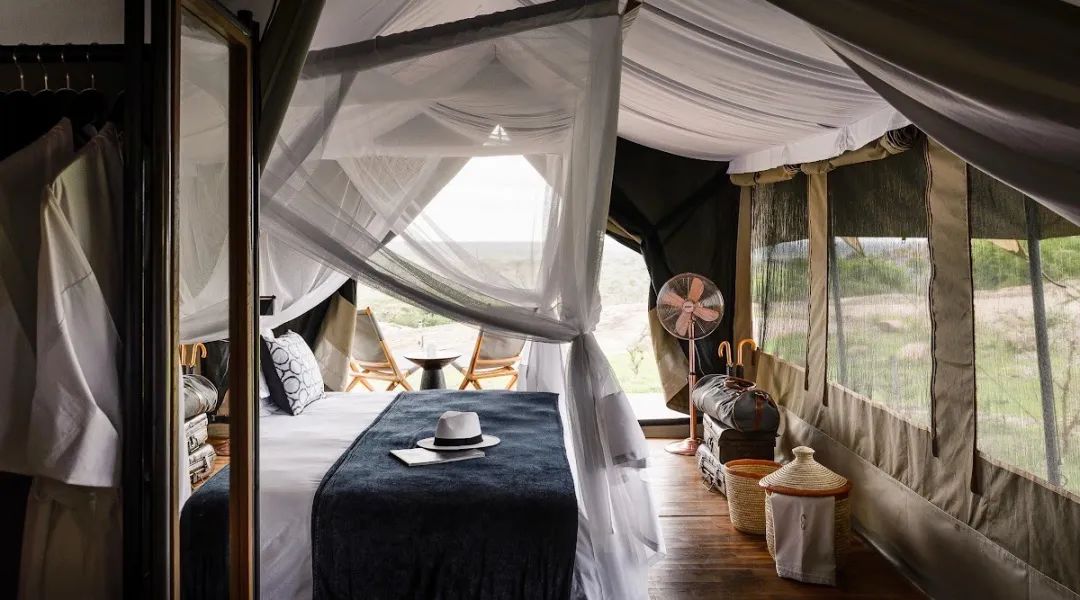
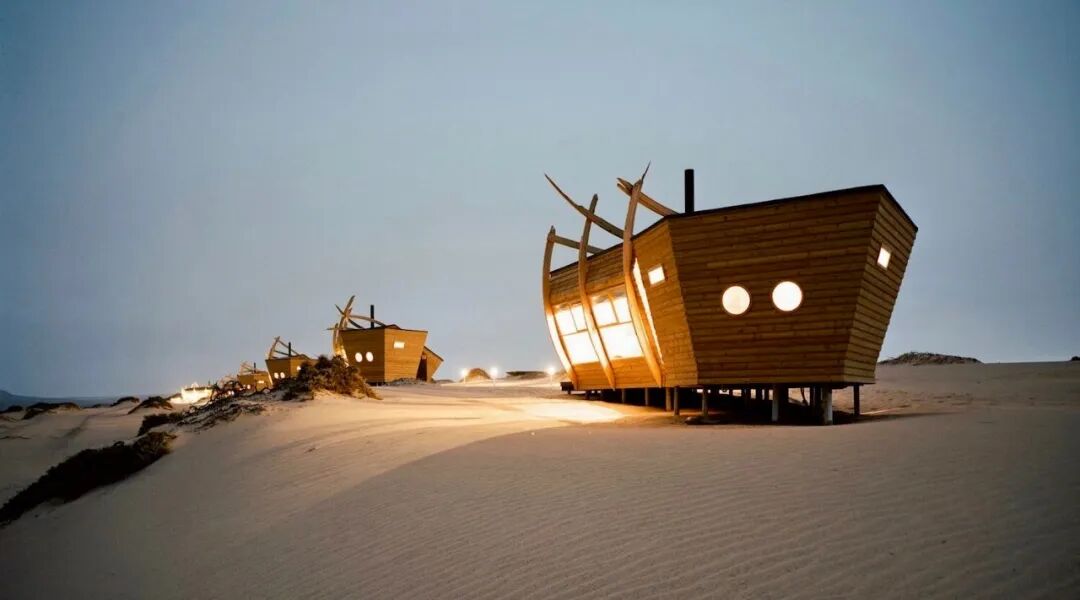
In terms of product positioning, the camp partners we directly cooperate with have the following characteristics to achieve differentiated in-depth experiences:
• Private reserve located next to the national park (supports cross-country galloping and hiking safaris)
• Favored and praised by senior European travelers

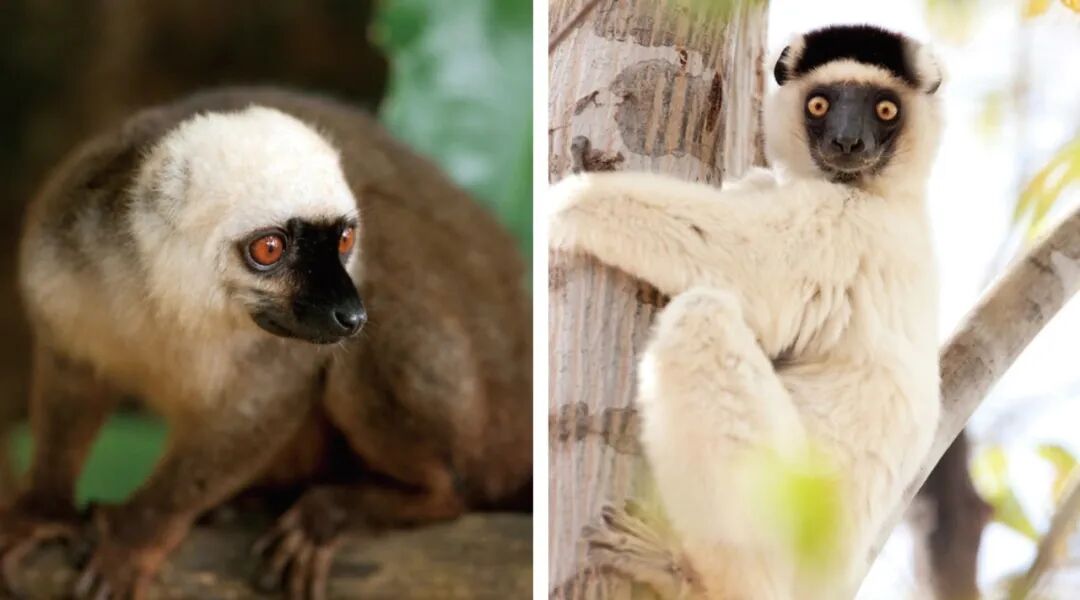
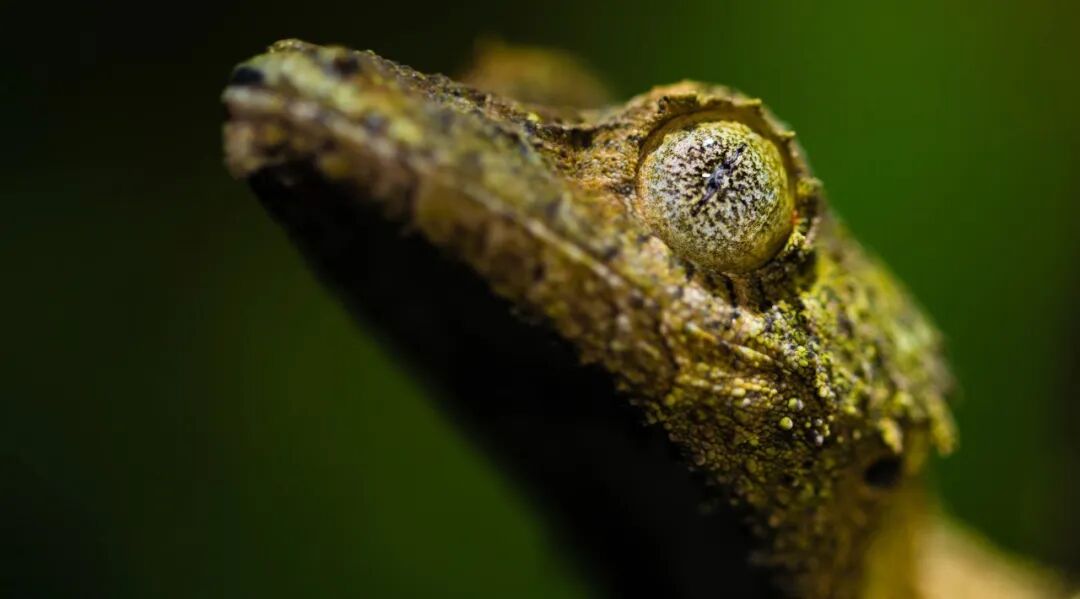
InMadagascar, you will meet a unique creature on earth. When the ancient continent of Gondwana split 165 million years ago, many species were trapped on this isolated island, evolving miracles of life only here-including more than 300 species of frogs (new species are still being discovered), chameleons accounting for half of the world’s species, and the island’s star: the lovely lemur family.

04