In Calcutta, embrace an epic city that has grown savagely in decay and prosperity, sacred and mundane.

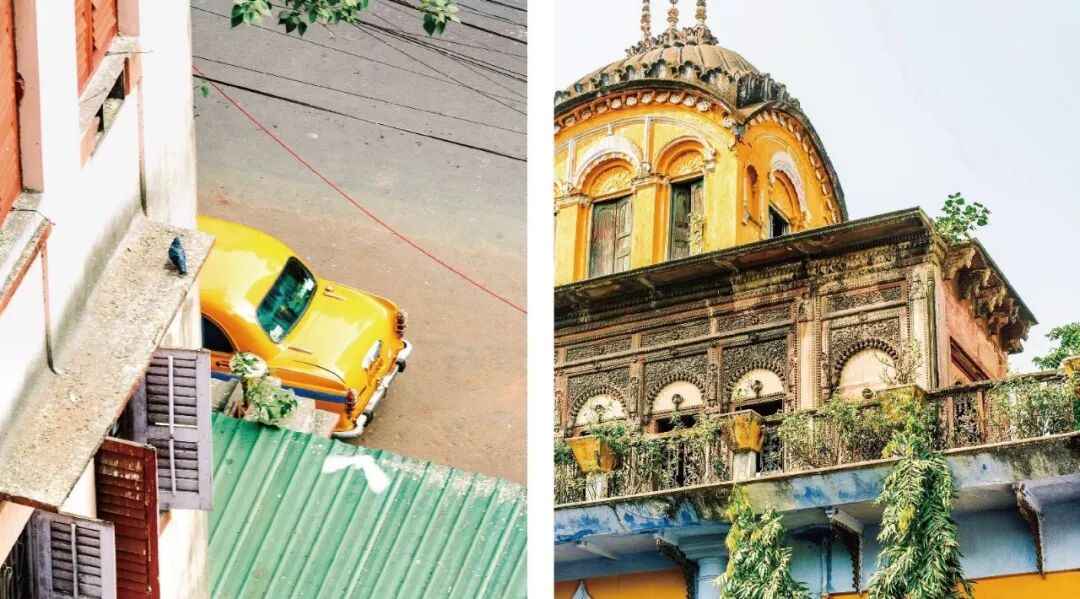
People always say that the glory of Calcutta has faded, as if the city was born with an “outdated” temperament. Rather than decline, its “sense of decay” itself is part of its background: buildings have cracked at the beginning of their completion, seeds sprout on broken roofs, and the most magnificent palaces are as cracked in time as the most humble shacks.

An unspeakable,

From poverty, famine, riots

A city of plague.
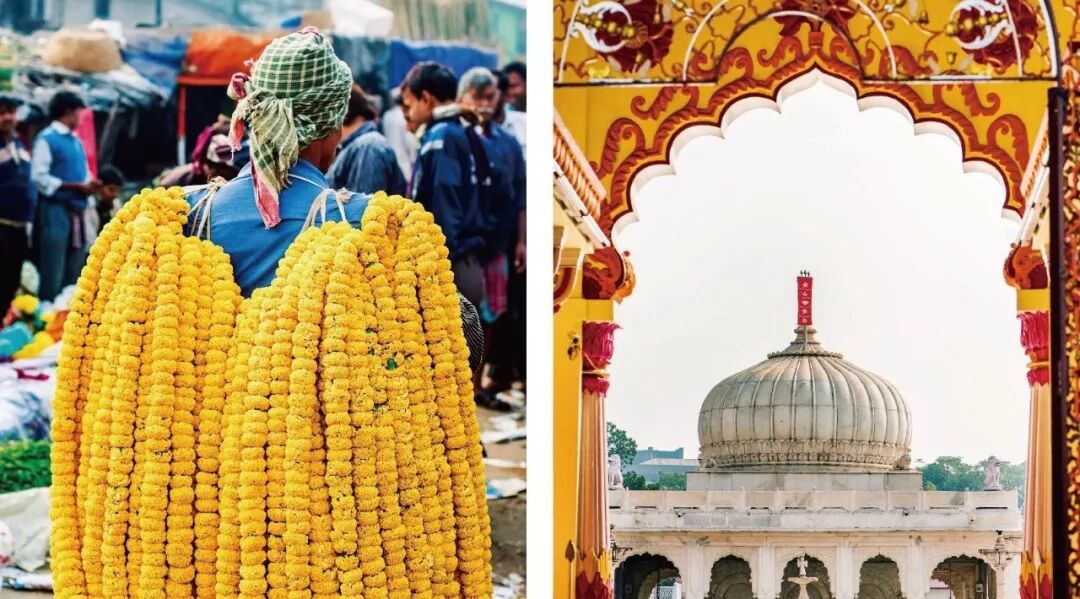
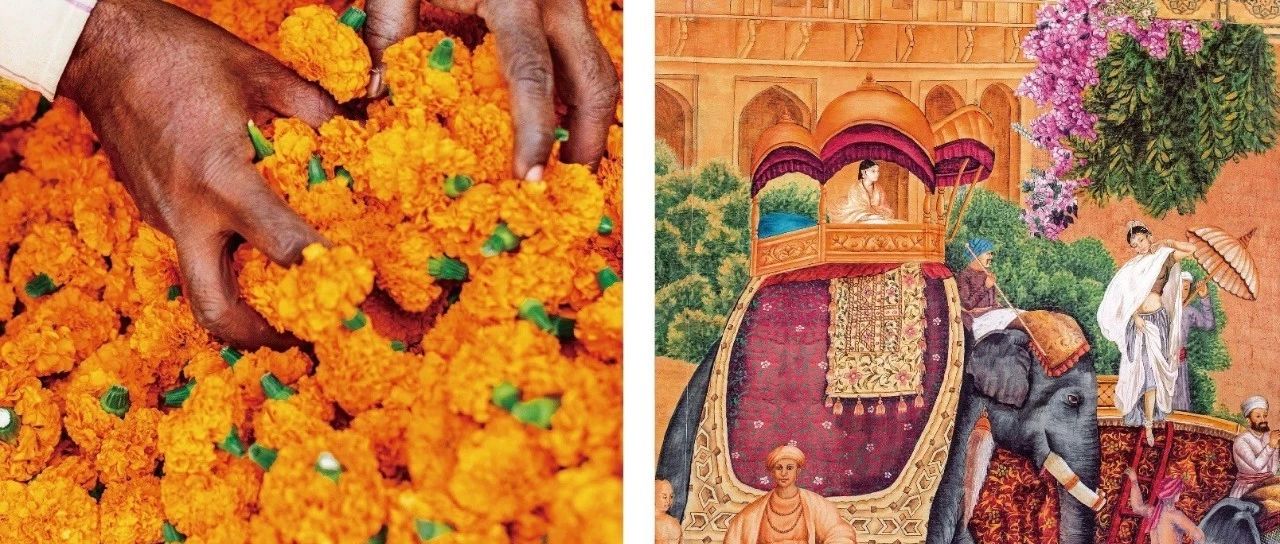
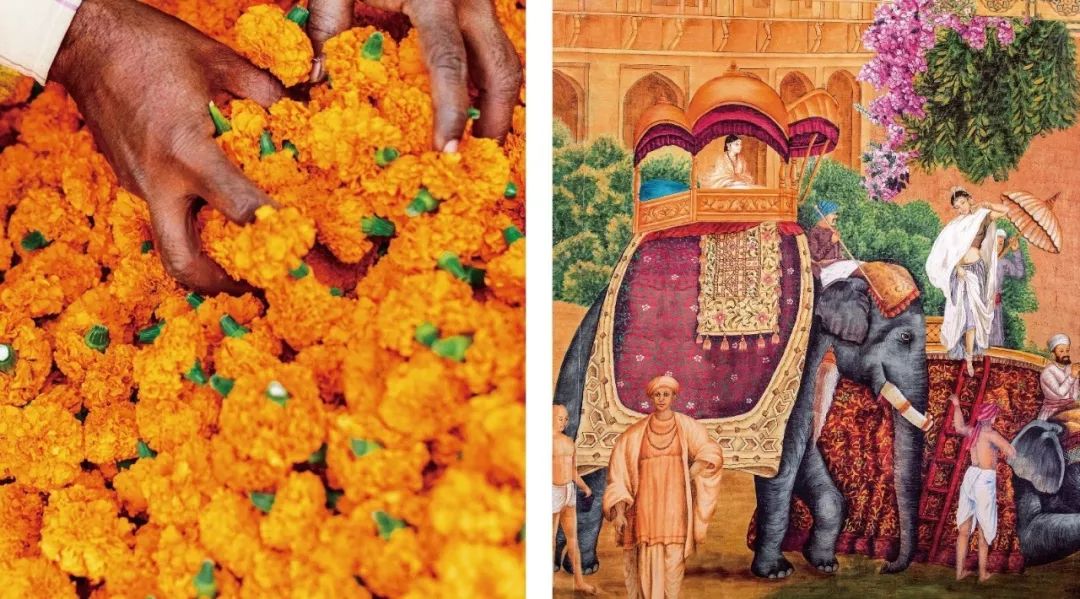
However, the city simultaneously exudes incredible vitality. Marigolds and sunflowers shine with natural light in the flower market on the banks of the Hooghly River; Overlooking from Howrah Bridge, the crowd waved their arms and shouted loudly, like an open-air stock exchange, except that instead of pieces of paper, colorful petals were flying; In Jain temples, saturated lapis lazuli blue and emerald green are wantonly and strike the senses.
Aside from its status as the second largest city in the British Empire, this place is the cradle of ideas: rabindranath tagore, C.V. Raman, Mother Teresa, Amartya Sen… these Nobel laureates all lived or were born here.
In 1690, Job Charnock of the East India Company pitched his tent on the banks of the Hooghly River, considered a “barren land”, largely simply to avoid French and Dutch competition. Within a century, this dirty camp had risen to become a global trade center, accumulating amazing wealth for the British Empire.
General Clive, then governor of Bangladesh, once described it as “one of the most evil places on earth”, full of unimaginable greed and extravagance, and Palladian mansions dwarfed London. If its rise was sudden, its decline was equally caught off guard. In 1911, the status of the capital was replaced by Delhi, and then the end of the empire, famine and civil strife followed, like the end of the cycle. In 1975, author Paul Seroux compared Calcutta to “a corpse on which people feed like flies”.

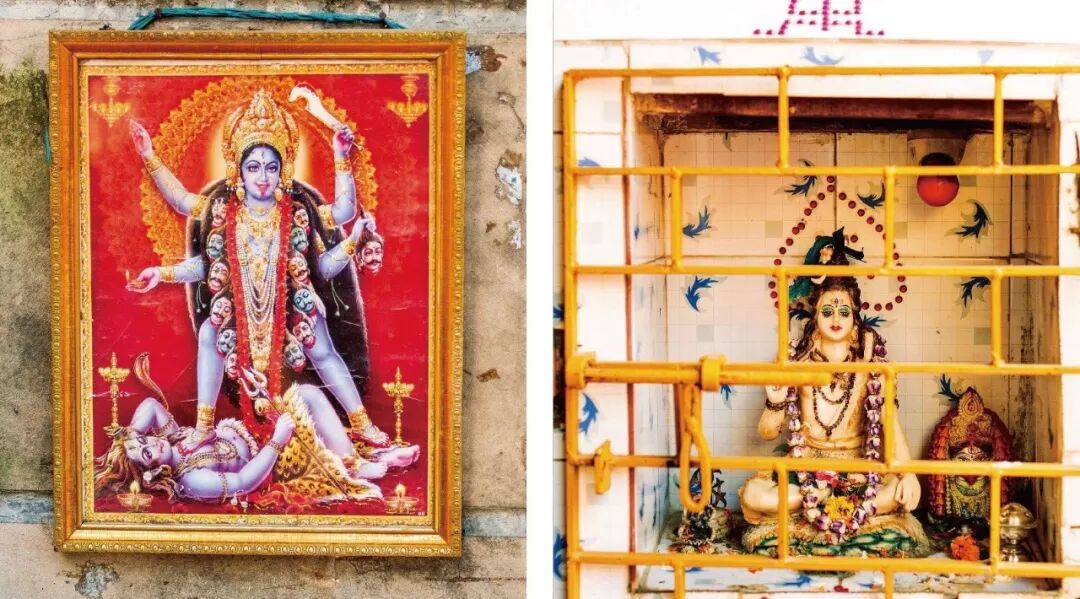
Cali is the embodiment of Calcutta’s dark forces,

Calendars in every candy shop in town,

On the dashboard of every taxi,

With Cali sticking out a blood-red tongue,

The figure twisting its black body and skull,

The ruthlessness, arrogance,

The power to destroy everything is blended into the urban background.
The city’s extreme and crazy temperament may be seen in the origin of its name-“Calcutta” is probably derived from Shiva’s wife, the goddess of destructionCali。 In the past, goat sacrifices were held daily at the temple of Kali; On her portrait, the sticking out tongue is always replastered with gold leaf.
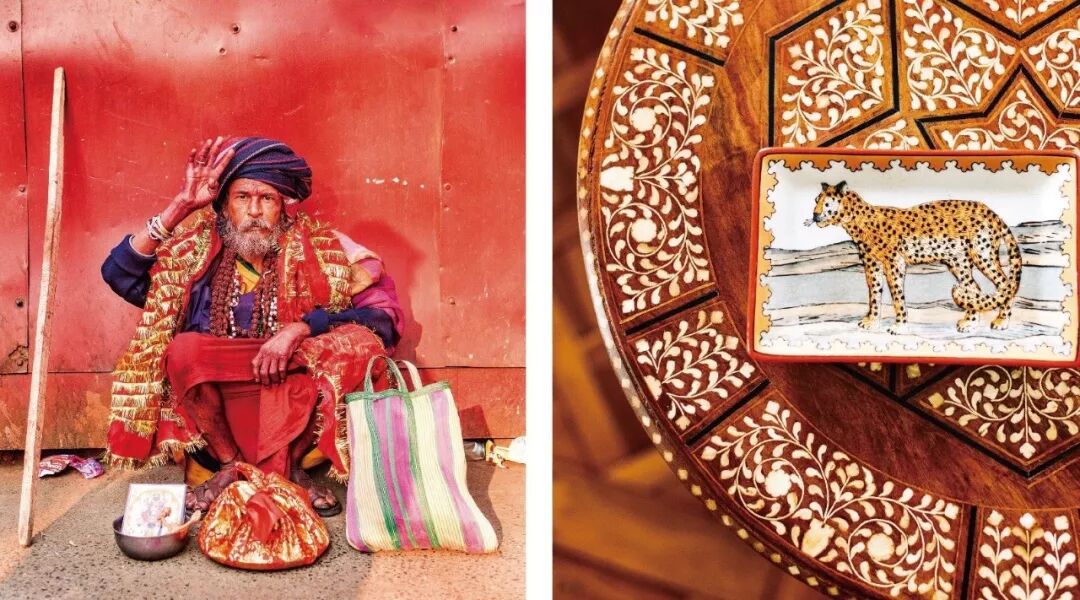
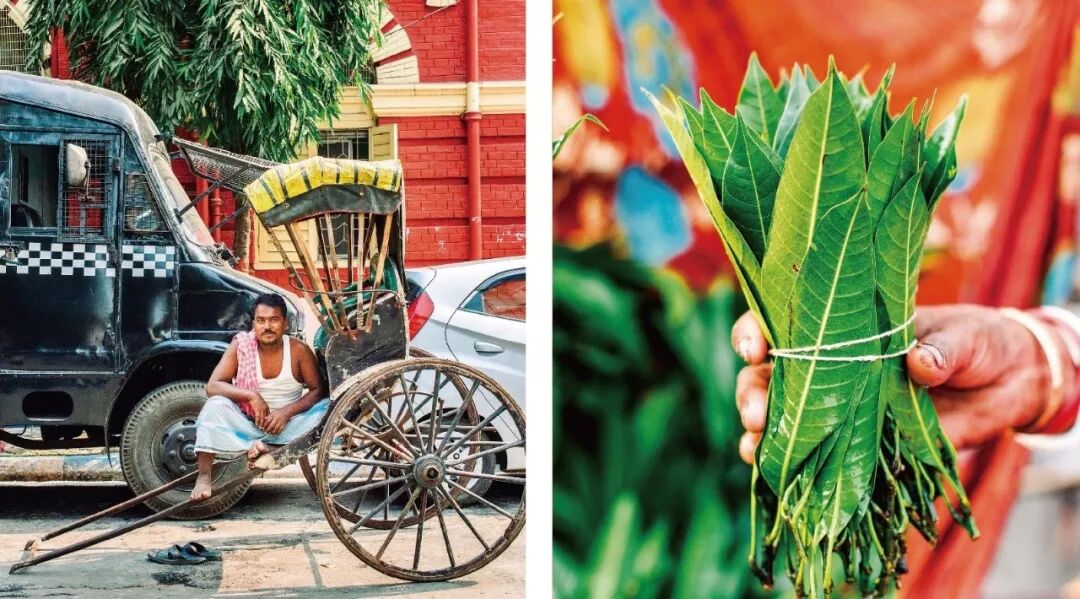
Most things here are still done by manpower, and the yellowed taxis on the street are almost the only legacy of Victorian mechanization. In the open-air workshop in Kumaturi, craftsmen hand-carve religious idols from clay, straw and cow dung collected from Sonagachi red light district (the largest red light district in India).
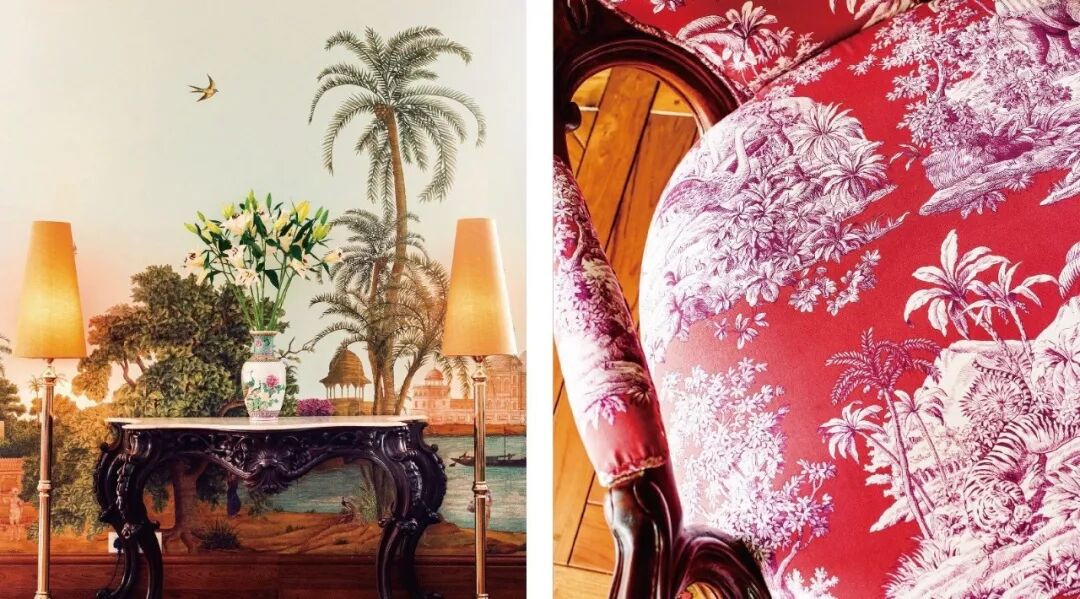
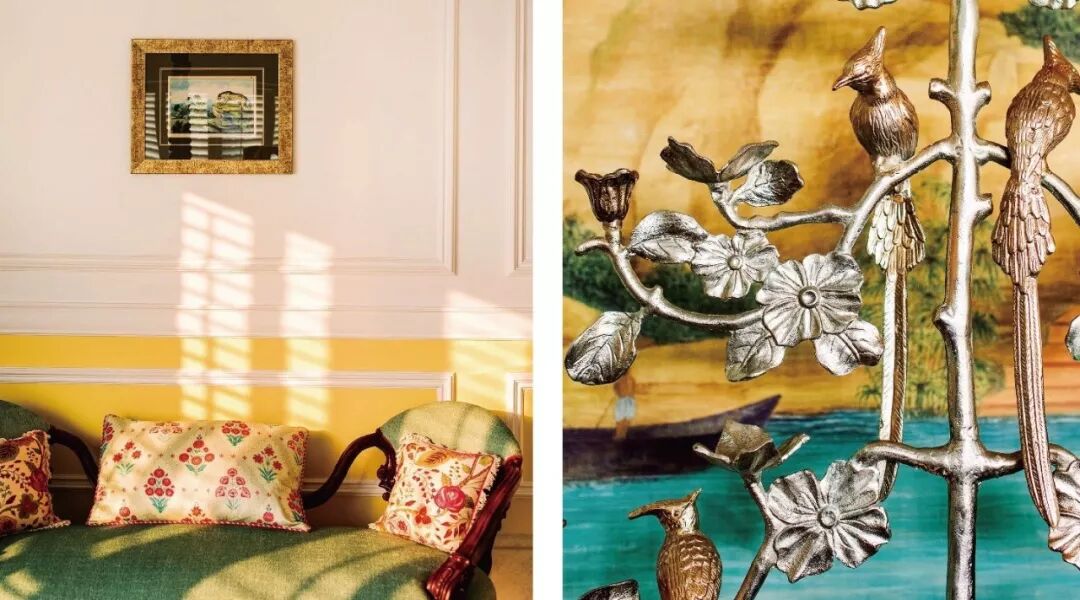
Staying at the Glenbourne Hotel, the vintage prints, ceiling fans and cat’s paw bathtubs in the rooms can give you a moment’s breather. Public spaces are paved with shiny marble and parquet floors and exotic wallpaper-but this isn’t “real” Calcutta.
Out of the hotel, the city’s multiculturalism isBaubazaIt is embodied to the fullest. During the prosperity of the 18 th and 19 th centuries, Calcutta was divided into “white areas” for British people and “black areas” for Indians. Bobaza grew up in the gap between the two, and became a melting pot for Armenians, Jews, Chinese and other ethnic groups to build homes, run businesses and shape their beliefs. Near the Morgan David Synagogue, you can see the mosque, Buddhist temple, Catholic church and jazz club at the same time.
Writer Kushanava Chodhaly described it in Epic City: The Street World of Calcutta: “Ask for directions at any street corner in Calcutta, and you may find half a dozen men with mustaches popping up from unknown corners, determined to be your guides, and they will fight at any time in order to lead you… These ordinary locals are the real masters of this city.”

🕳

By admin

Leave a Reply

Your email address will not be published. Required fields are marked *