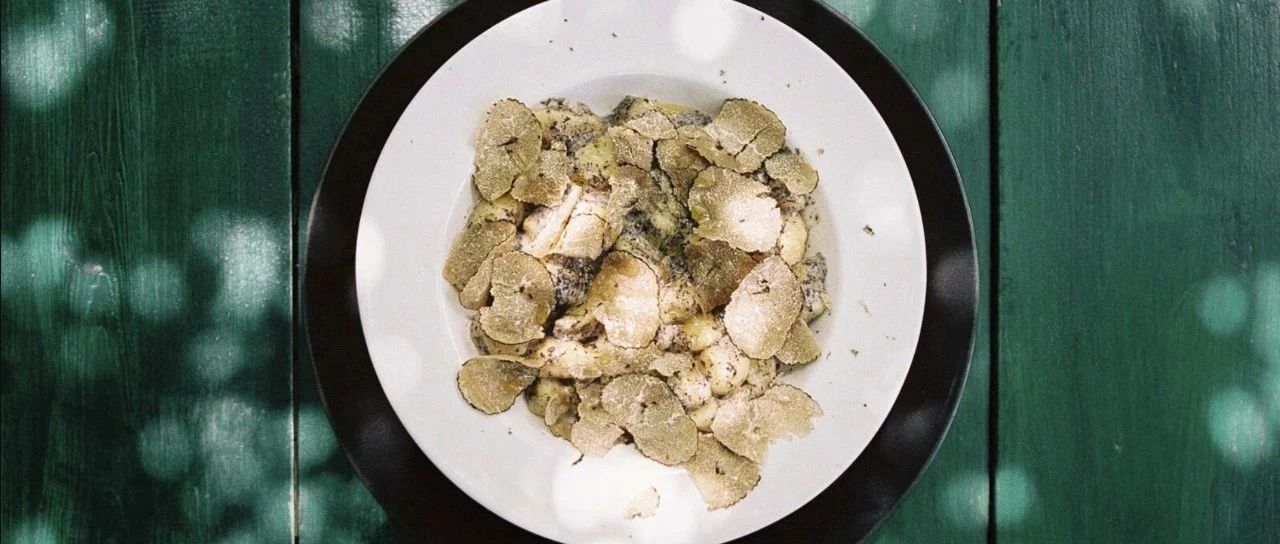
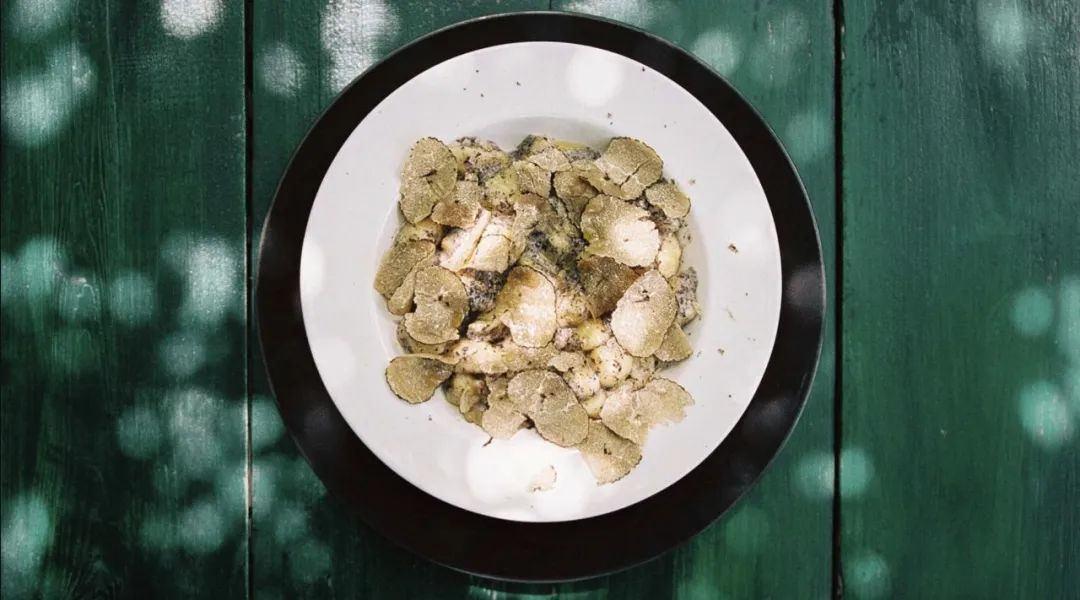
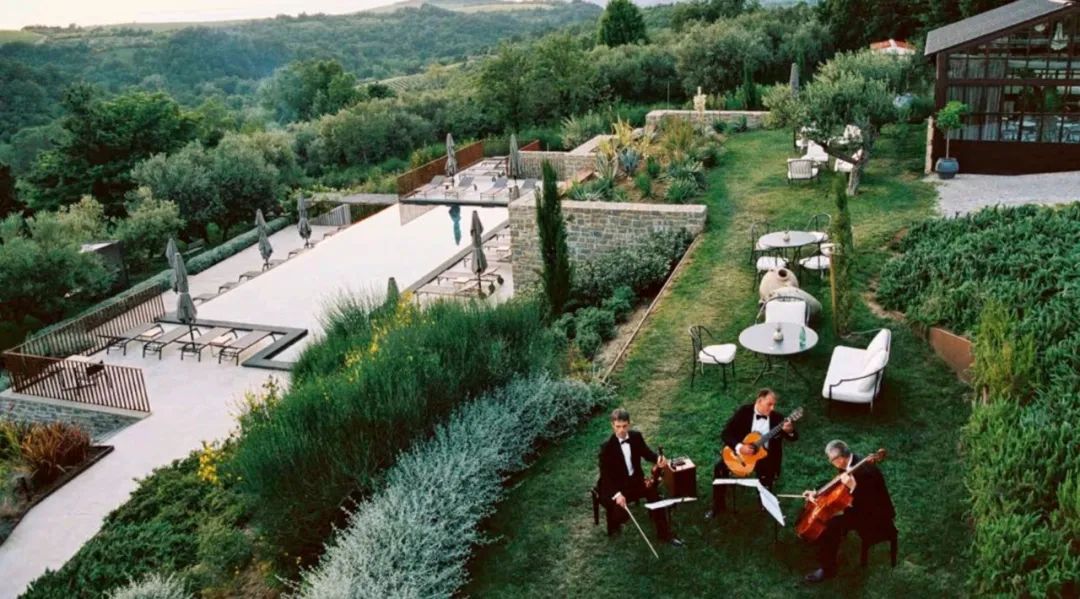
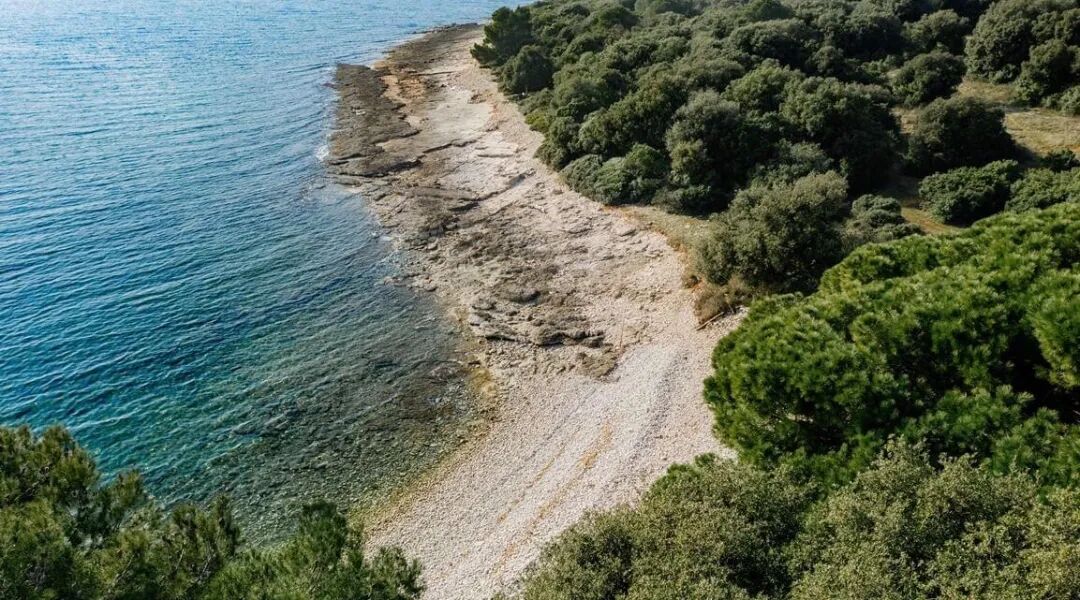
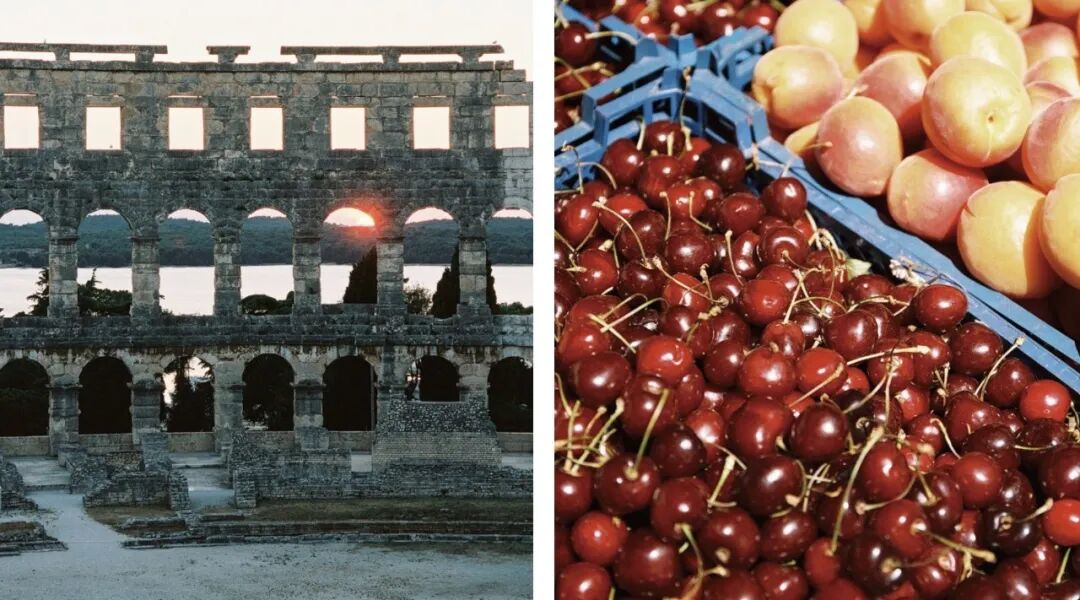
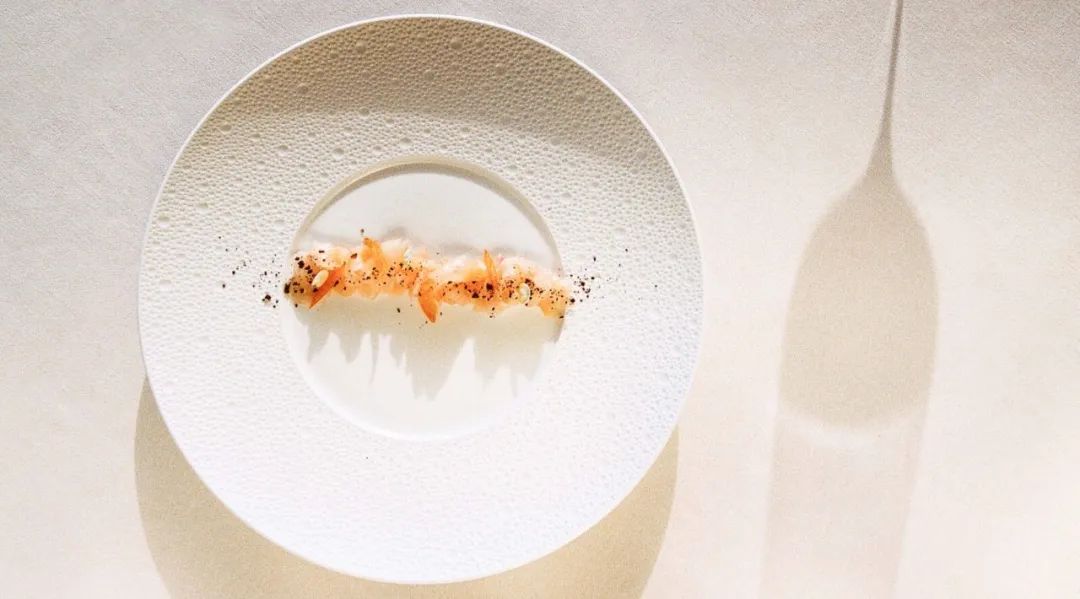
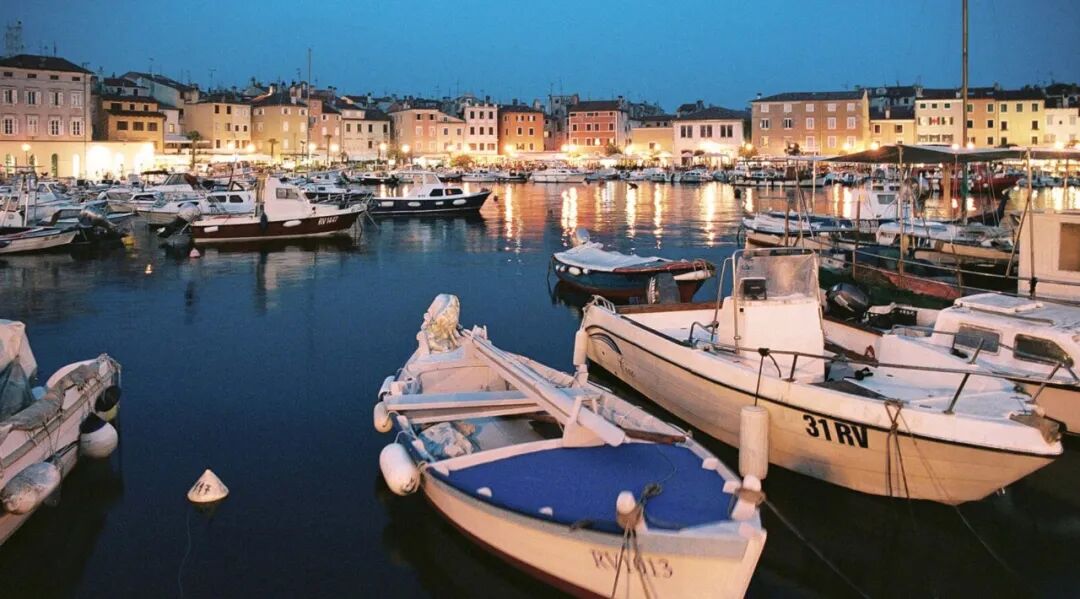
Unlike Dubrovnik, which is full of tourists, Rovinj on the Istrian Peninsula is like a small fireworks waiting to be set off on a grass stem. Fishermen gather under the city walls to eat fried sardines, poppy-dotted paths lead to churches at the top of the hill, and early summer thunderstorms roar on the sea. Once an important port for the Republic of Venice, it was later occupied by Napoleon and the Ottoman Empire, briefly belonging to Italy between the two world wars and eventually incorporated into Yugoslavia. Although many families have sold their old houses and moved to bright new apartments in the suburbs, clothes are still hanging under the eaves of the old city, and swifts hover and chirp in the sky; Old yellowed photographs of men in aprons and cigarettes squinting and smiling in the tan sun can still be seen in the window. Locals sit on the reef sipping prosecco and tasting scallops and truffles; When the strong young man leaped from the cliff into the sea, his bronzed body splashed in dazzling water, like a scene in an early Fellini film. In the 1950 s, Tito called Istria “the people’s paradise”. As the leader of the Yugoslav revolution and an opponent of Stalin, Tito had an almost paranoid love for exotic animals. He often drove a Lincoln convertible through the summer palace of Brioni Islands, raising wild animals presented by dignitaries from various countries. The safari park survived after the disintegration of Yugoslavia in 1992. Nowadays, as long as you find the right angle, you can take pictures of grazing zebras, ancient Roman ruins and empty beaches in the same frame. Ancient legends are still hidden in the forests of the interior. The stories of bloodthirsty vampires, nocturnal demons and shamans are still the shadows of childhood beside children’s pillows. The first recorded vampire story came from the 17 th century nobleman Klingar, whose body was constantly “resurrected” until a neighbor staked its heart. Under the gentle waves of Rovinj, the fishermen believed in the existence of a submerged village-Cisa, the “Atlantis” of Istria. They claim that fishing nets occasionally salvage ancient amphora pots. The girls in the village still wear red exorcistic bracelets on their wrists. Nowadays, Istria is famous in Europe for its wine and cuisine, with hundreds of olive oil estates and small wineries. The mountains offer rich red meat, while the sea gives countless seafood. A new generation of chefs have played new tricks with ancestral recipes, such as scallops with roe mayonnaise, elderberry freckled amberjack with coffee and kumquat. Into restaurants deep in the mountains, traditional dishes still dominate the table: beef stewed with local longhorn beef, and platters of crispy pork sausage, tenderloin and sauerkraut. Wine making in Croatia is both old and trendy, with the Greeks bringing vines in the sixth century BC. Marvazia grapes thrive in soil rich in white limestone, and the wines produced are as lively as Sauvignon Blanc and as sexy and charming as Viognier. At night, lightning pierced the darkness of the harbor, and the stars flickered for billions of years above the sky. In the early morning, the swifts chirped and chirped, as if resonating with the sunlight through the shutters. Everything is so simple and harmonious in Istria. Light and water, stones and birdsong, are all.