Q: Is safari suitable for children? If children are curious about nature and wildlife, they can usually participate over the age of 6. But we recommend it more for kids over 8 years old, who tend to be more observant, focused and patient. In terms of accommodation, most camps offer family suites suitable for 3-5 people; Each safari also usually accommodates 4-6 people. Q: What is the difference between parent-child safari and adult safari?
The parent-child safari route we designed has the following characteristics:
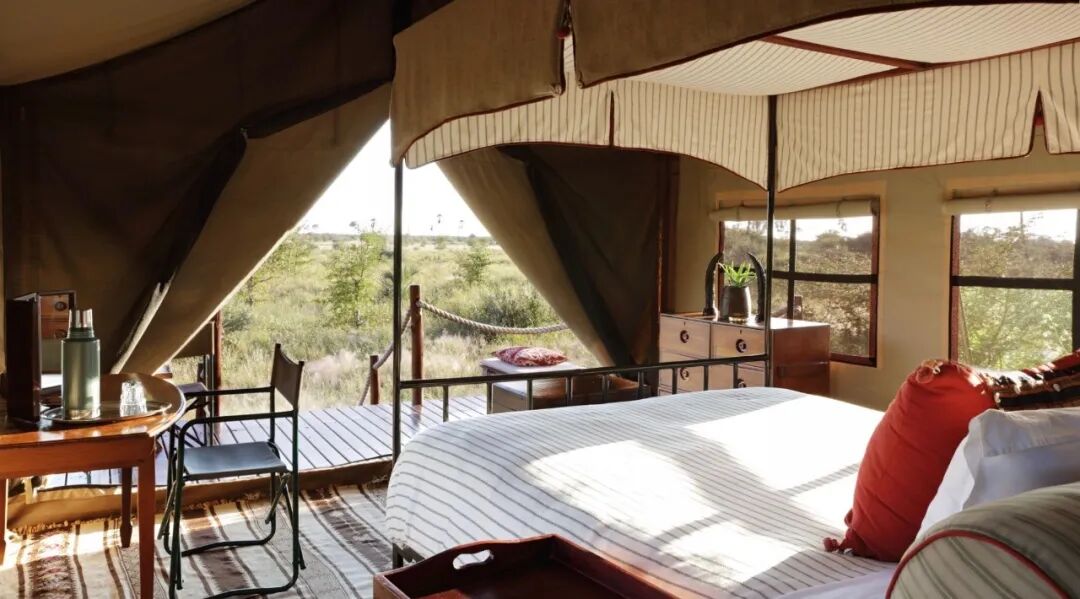
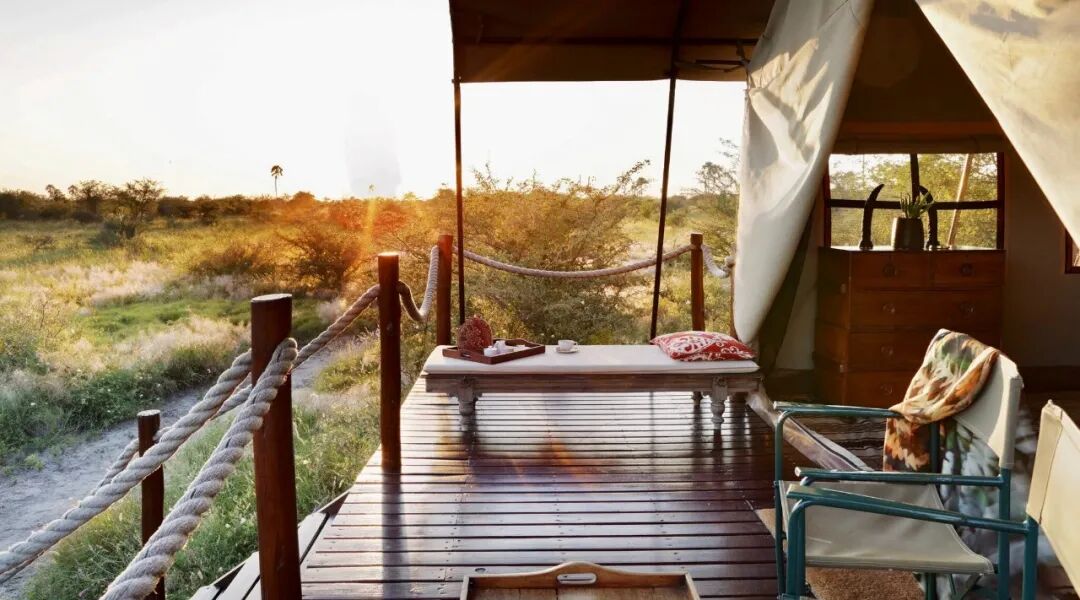
○ The camp chooses to focus on comfort and practicality, rather than blindly pursuing luxury and novelty in design.
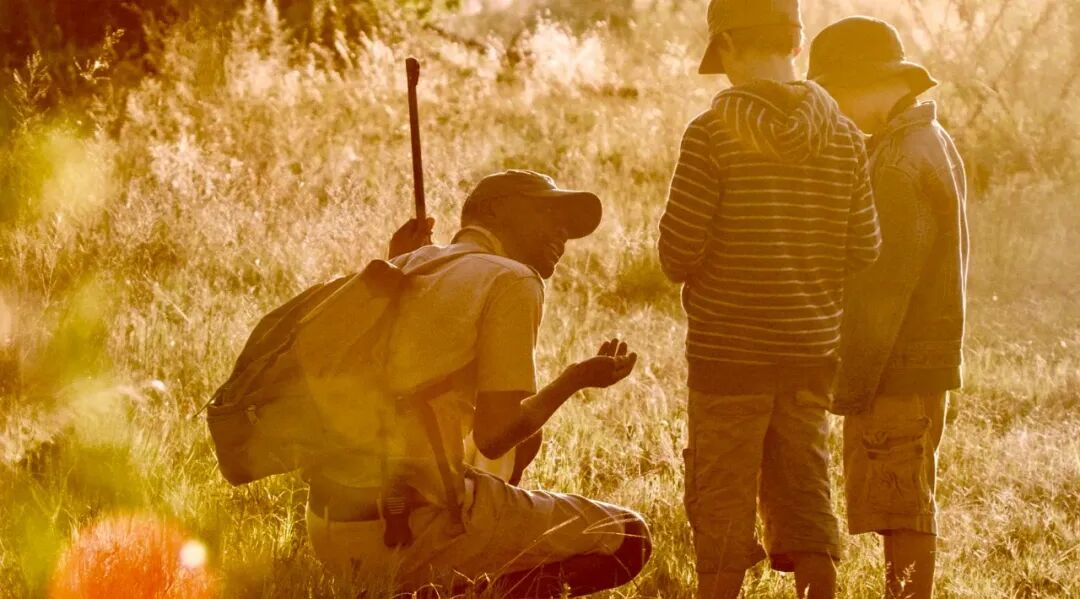
○ The camp offers children’s exploration activities led by professional guides. Children can not only observe wild animals, but also learn about local aboriginal culture, and understand the fragility of ecosystems and the importance of protecting nature through entertainment.
○ The route experience is rich and diverse, not limited to watching animals by car, and continuously stimulates children’s curiosity through the switching of different scenes.
○ The itinerary avoids long-term drive transfer, and the overall rhythm is more soothing and relaxed.
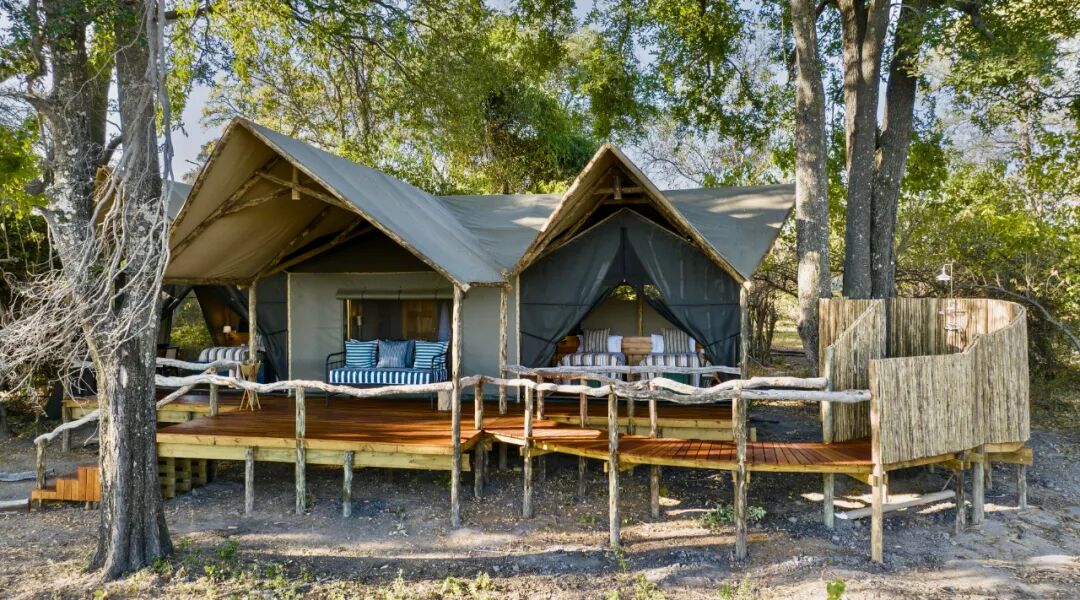
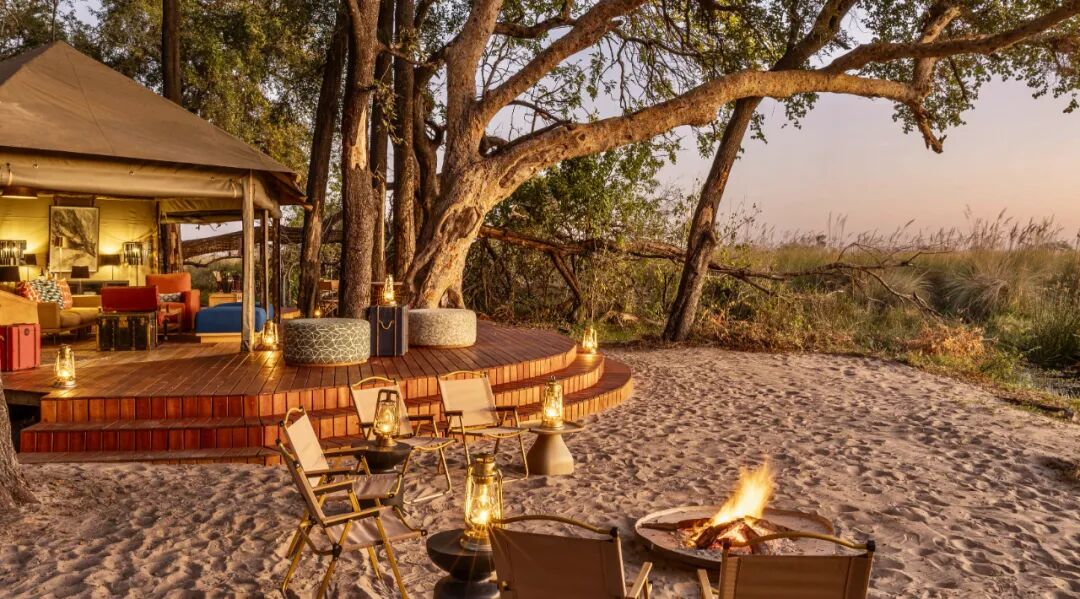
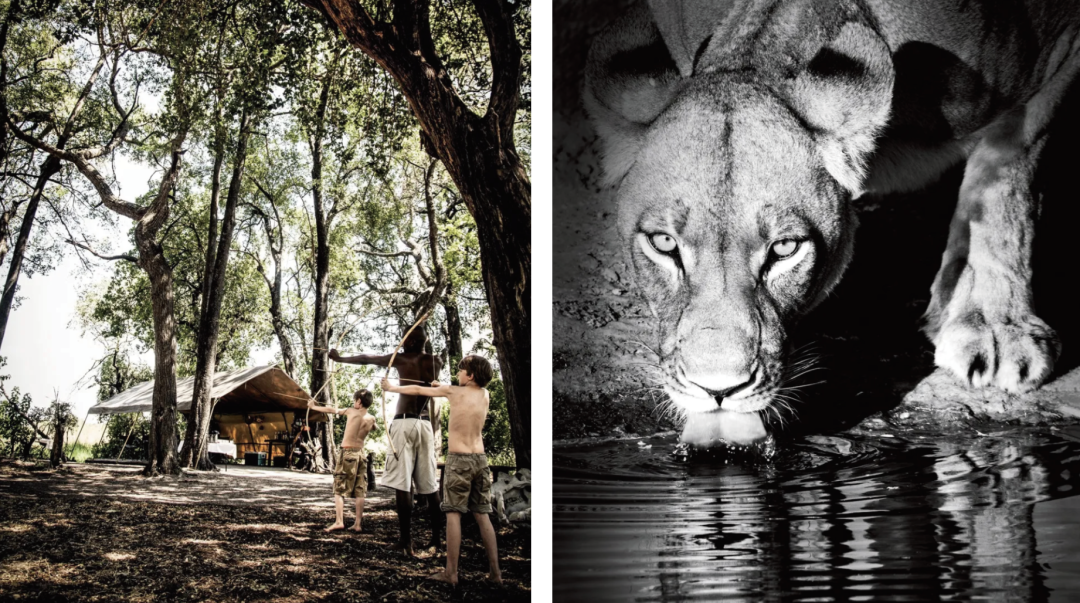
Take, for example, a family safari program we planned this year, with 3 nights staying at a private reserve camp in the Okavango Delta. The scale of the camp is private, and only 6 guests can be received at most in the same period (2-3 families can hold the whole camp). The camp consists of 4 tented rooms with a queen bed and two single beds inside the family tent. The camp is surrounded by sycamore trees and poplar euphratica, and the common area faces the pond that hippos love. The atmosphere is simple and beautiful, as if it was back in old days. Here, three safari modes can be arranged: off-road vehicle, speedboat and hiking. The camp also offers some of the best children’s safaris in the country (encouraging the whole family to participate together, rather than simply hosting). Children can follow guides to track animals and climb termite mounds; Learn to make bows and arrows with your own hands; Try a fire with just a few dry leaves, branches, and stones; Experience a strut driving canoe; Identify all kinds of shrubs on foot, and learn about the great power of plants that seem small.
Q: Will you get tired of aesthetic fatigue if you watch similar scenery continuously?
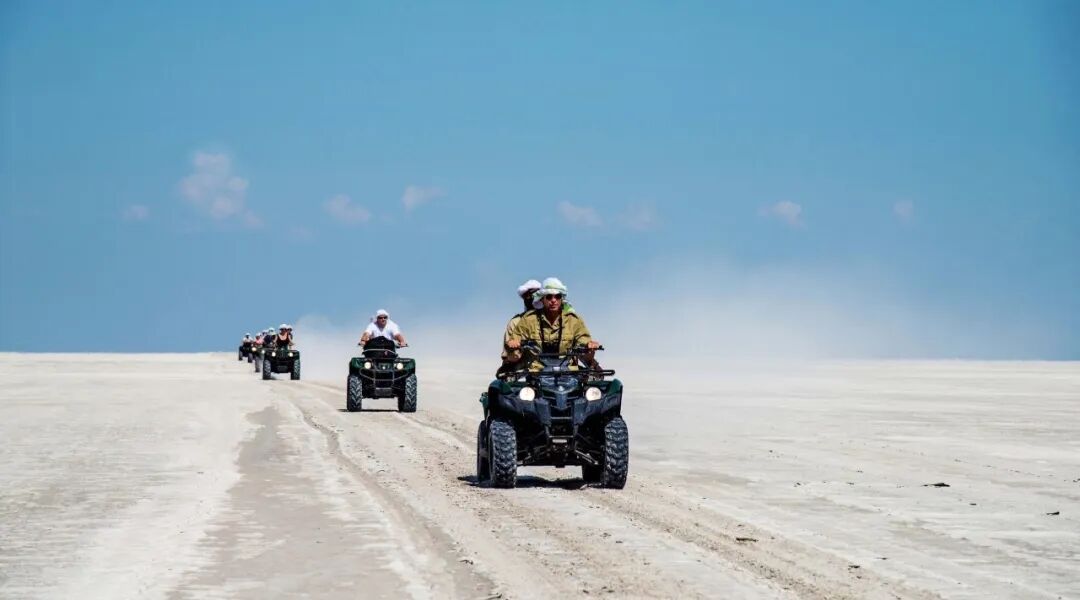
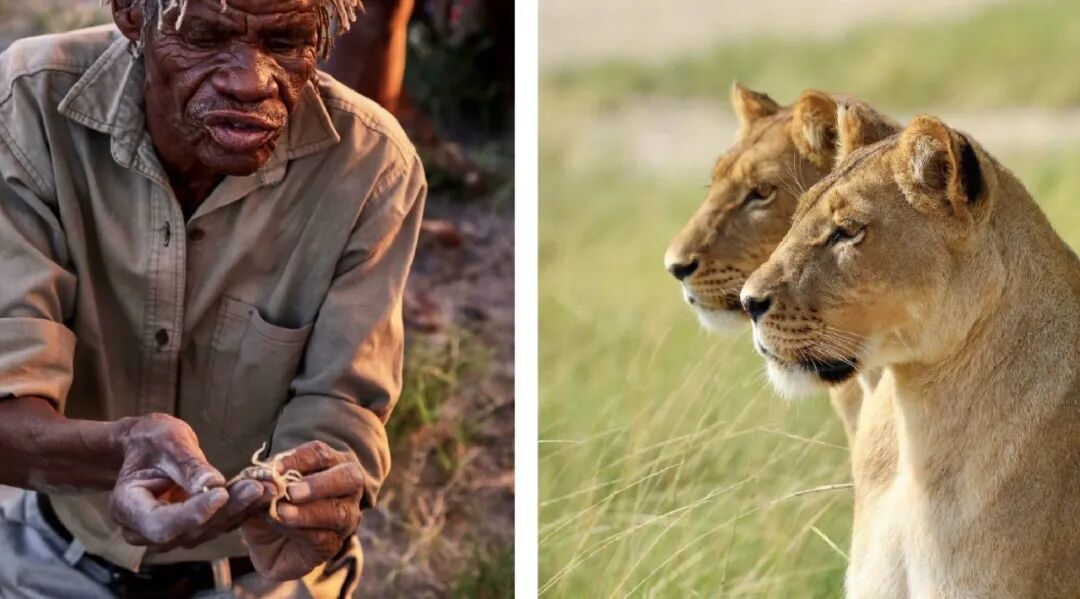
Most travelers may experience some visual fatigue after a 5-night safari in a row, and this is especially true for kids. As a result, our circuit doesn’t just stop at the famous Okavango Delta, but also takes you to explore the Kalahari Desert, which has a very different landscape. The Kalahari sky is unpredictable, sometimes covered with cotton-wool clouds, and sometimes the blazing sun dyes the grass red. The horizon is sometimes dotted with acacia trees, tops of which are perched with goshawks; Sometimes it is empty, only scattered bushes and endless salt marshes. Most of the guides here come from villages within 70 kilometers of Fiona Fang. They are Bushmen who have lived here for generations. They still master the ancient survival skills inherited by the tribe. They will share with the children how to catch birds and hunt bighorn antelope; How to apply poison to arrows, and how to heal wounds with herbs. The development of tourism has brought water, vocational training and employment opportunities to villages, and may also point out a way to the future for these aborigines whose traditions are rapidly disappearing and whose new lifestyles are not yet clear. They would teach children which roots to chew on when they had a headache, how to check for nestlings in an ostrich egg, how to fry an ostrich egg roll in the sand, and how to soften antelope skin to make a backpack. Their quiver was made of acacia roots, their bows from shrub branches, their arrows from porcupine feathers or bones, and their deadly poisons from crab trees. Spanning two worlds, these Bushman guides display a uniquely wild charm: they can both make a mesmerizing cocktail and know how to catch the Corey Bustard. Children are often fascinated by them and worship the brave, wild and intelligent natural power in them. Compared to Okavango, the animal population is indeed smaller, but the guide guides us to focus on the subtleties. You will find that dung beetles, snakes, hares and jackals also have their own “magic” to survive, and the children are obviously intoxicated with it. What they see is not only the heat, dust and seemingly barren vast land, but also the desolate beauty contained in it. 🕳

 By admin