
 By admin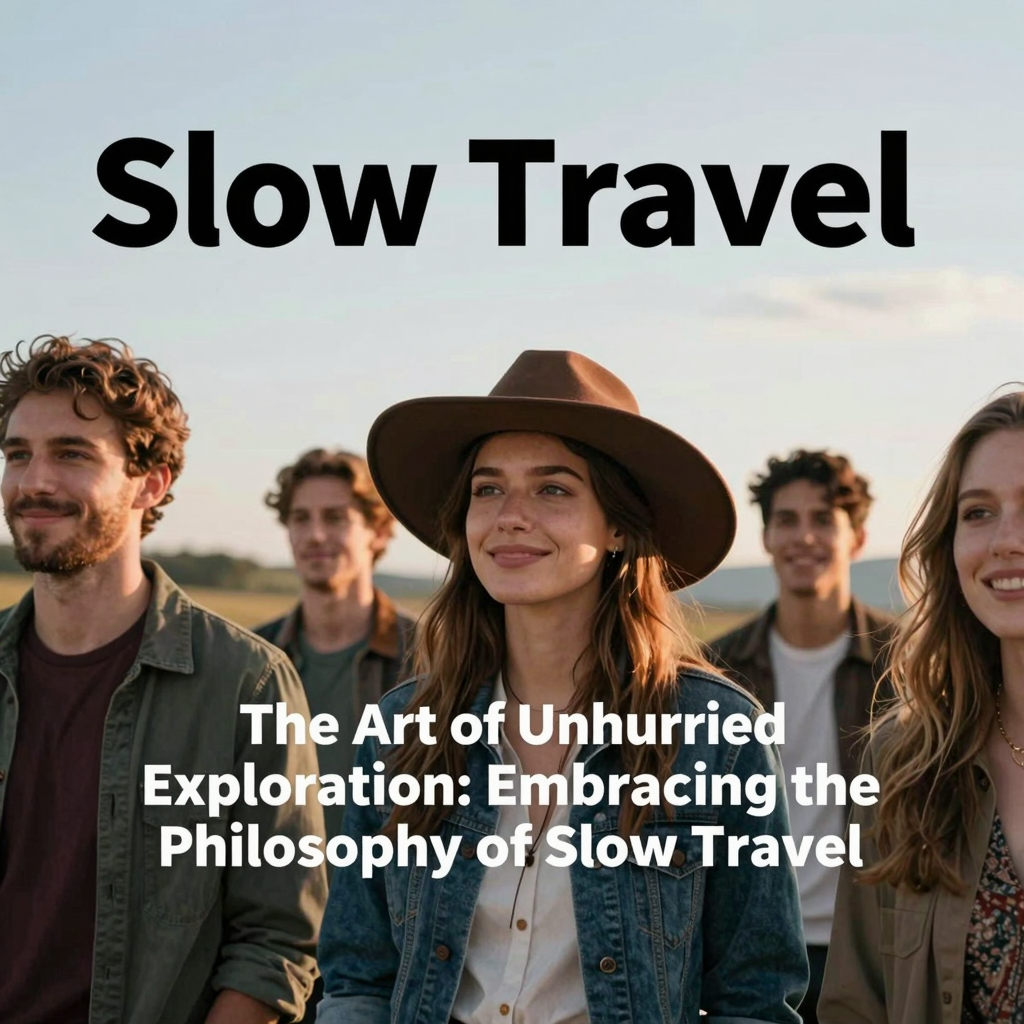
In a world perpetually chasing the next notification, the next deadline, the next ‘must-see’ destination ticked off a list, a quiet revolution is unfolding. It’s a movement away from the frantic pace of modern tourism towards something more deliberate, more immersive, and ultimately, more rewarding. This is the essence of Slow Travel. It’s not merely about reducing your speed; it’s a fundamental shift in mindset, prioritizing depth over distance, connection over consumption, and experience over efficiency. Forget whirlwind tours and jam-packed itineraries; slow travel invites you to sink into the rhythm of a place, to truly live it rather than just pass through it.
Born from the broader Slow Movement (which encompasses Slow Food, Slow Living, and more), slow travel challenges the conventional model of tourism that often leaves both travelers and destinations depleted. It asks us to reconsider why we travel and what we hope to gain. Is it about collecting passport stamps or collecting meaningful memories? Is it about seeing everything superficially or experiencing a few things profoundly? This philosophy resonates deeply with those feeling overwhelmed by the pace of life and seeking more authentic connections – both with the places they visit and with themselves.
Why Slow Travel Matters Now More Than Ever
The rise of slow travel isn’t just a niche trend; it’s a response to several converging factors shaping our world and our relationship with it.
The Burnout of Conventional Tourism
Many travelers return from ‘dream vacations’ feeling exhausted, not rejuvenated. The pressure to maximize every minute, to see every landmark, and to document it all for social media can turn a holiday into a high-stress performance. This constant rushing often leads to superficial experiences – glimpsing monuments from a tour bus window, eating at tourist-trap restaurants, and interacting only with service industry staff. The post-trip feeling is often one of fatigue rather than fulfillment, a sense of having ‘done’ a place without truly having ‘known’ it. Slow travel offers an antidote to this burnout, replacing frenzy with flow.
The Environmental and Ethical Imperative
Mass tourism exerts significant pressure on popular destinations. Overtourism leads to environmental degradation, strain on local resources, cultural commodification, and rising living costs that can displace local communities. The carbon footprint associated with frequent short-haul flights and constant movement is substantial. Slow travel inherently promotes a more sustainable and ethical approach:
- Reduced Transportation: Staying longer in fewer places means fewer flights, train journeys, or long drives.
- Lower Resource Consumption: Integrating into a community often involves using local services and products more mindfully than the high-turnover model of typical hotels and tours.
- Supporting Local Economies: Slow travelers are more likely to stay in locally-owned accommodations (like guesthouses or apartments), eat at neighborhood restaurants, shop at markets, and hire local guides, ensuring tourism revenue benefits the community more directly.
- Reduced Crowds: By spending more time in one place, travelers can explore beyond the saturated main attractions, dispersing the impact and discovering lesser-known gems.
Choosing slow travel is a conscious step towards being a more responsible global citizen.
The Quest for Authenticity and Connection
In an increasingly digital and homogenized world, there’s a growing hunger for genuine experiences and real human connection. Slow travel facilitates this by allowing the time necessary to build relationships. It might mean:
- Learning basic phrases in the local language and engaging in conversations beyond transactions.
- Observing and participating in daily rhythms – morning markets, siestas, local festivals.
- Discovering the stories behind a place, its history, traditions, and current realities, beyond the glossy brochure version.
- Forming bonds with hosts, shopkeepers, or neighbors, leading to insights and experiences unavailable to the hurried tourist.
This depth fosters a richer understanding and a more profound appreciation for the diversity and complexity of our world.
Unpacking the Core Principles of Slow Travel
Slow travel is defined less by rigid rules and more by a guiding philosophy. While individual interpretations vary, several core principles consistently emerge:
Quality Over Quantity
This is the cornerstone. Instead of trying to cram ten cities into a two-week trip, slow travel might mean spending those two weeks in one region, one town, or even one village. It’s about resisting the FOMO (Fear Of Missing Out) that drives conventional itineraries. The focus shifts from ‘how much’ to ‘how well.’ You might spend an entire afternoon sitting in a piazza watching life unfold, revisit the same local bakery every morning, or dedicate days to hiking trails in one national park rather than dashing between several. The richness comes from repetition, familiarity, and the space to delve deeper.
Embracing the Local Rhythm
Slow travelers aim to move at the pace of the place they’re visiting, not impose their own hurried tempo. This means:
- Adapting to local schedules (lunch breaks, shop opening hours, cultural norms around time).
- Spending time in neighborhoods where people live and work, not just tourist zones.
- Using local modes of transport – walking, cycling, buses, trams – which force you to slow down and observe.
- Being present and open to detours, spontaneous encounters, and unexpected delays (viewing them as opportunities, not obstacles).
It’s about shedding the tourist persona and trying, however briefly, to inhabit the place.
Mindfulness and Immersion
Slow travel encourages travelers to be fully present and engage all their senses. It’s about:
- Observing: Noticing architectural details, street art, the way locals interact, the changing light.
- Tasting: Savoring local cuisine, understanding its origins, learning to cook regional dishes.
- Listening: To the sounds of the street, local music, conversations in the language (even if not understood).
- Connecting: Making an effort to interact meaningfully with people and place.
This mindful approach transforms sightseeing into a richer, more sensory experience.
Sustainability and Stewardship
As discussed, a conscious effort to minimize negative impacts and maximize positive contributions is integral to slow travel. This involves choices about transportation, accommodation, consumption, and behavior aimed at respecting the environment and supporting the well-being of local communities.
Putting Slow Travel into Practice: How to Do It
Embracing slow travel doesn’t require quitting your job to wander indefinitely (though that’s one path!). It can be integrated into trips of varying lengths. Here’s how to translate the philosophy into action:
Planning with Purpose (Not Packing It In)
Shift your planning mindset:
- Choose Fewer Destinations: Be ruthless in paring down your list. Pick one or two bases for a week or more.
- Research Deeply, Not Broadly: Instead of skimming guidebooks for top attractions, delve into local blogs, history books, novels set in the region, or documentaries. Look for neighborhood guides, local events calendars, and community projects.
- Build in Buffer Time: Leave large chunks of your itinerary intentionally blank. This is where the magic of spontaneity and deep exploration happens.
- Prioritize Local Stays: Opt for apartments, guesthouses, B&Bs, or small locally-run hotels over international chains. Platforms focusing on authentic stays can be helpful.
- Consider Alternative Transport: Trains and boats often offer a slower, more scenic journey than planes. Once there, walk or cycle as much as possible.
Living Like a (Temporary) Local
Once you arrive, immerse yourself:
- Shop Local: Visit markets, bakeries, and independent shops daily. Cook some meals if you have kitchen facilities.
- Learn Basic Language: Even a few words (hello, please, thank you, goodbye) show respect and open doors.
- Establish Routines: Find a favorite cafe for your morning coffee, a park bench for people-watching, a route for an evening stroll.
- Go Beyond the Guidebook: Ask locals for recommendations – where they eat, where they hike, where they take their kids on weekends. Explore side streets and neighborhoods not highlighted in tourist guides.
- Engage in Meaningful Activities: Take a local cooking class, join a community workshop, volunteer for a few hours with a conservation project, attend a free lecture or local music performance.
Embracing the Journey, Not Just the Destination
Slow travel reframes the entire concept of travel:
- Value Transit Time: View train journeys, ferry rides, or even long walks as integral parts of the experience, opportunities to read, reflect, and observe the landscape changing.
- Let Go of Perfection: Things will go ‘wrong’ – missed buses, language mix-ups, rainy days. Slow travel teaches flexibility and resilience, viewing hiccups as part of the adventure and a chance to interact with locals in solving them.
- Disconnect to Reconnect: While documenting your trip is fine, consciously limit screen time. Put the phone away for hours at a stretch to be truly present in your surroundings.
- Focus on Internal Journeys: Allow the slower pace to facilitate reflection. Journal, sketch, or simply sit and absorb. Travel becomes as much about internal discovery as external exploration.
The Rich Rewards of Taking It Slow
The benefits of slow travel extend far beyond the duration of the trip itself:
Deeper Cultural Understanding and Empathy
Spending extended time in a place allows for nuanced observations. You witness the ebb and flow of daily life, understand local challenges and joys, and gain perspectives that challenge stereotypes. This fosters genuine empathy and a more complex understanding of different cultures and ways of life, breaking down barriers and building bridges of human connection.
Reduced Stress and Genuine Relaxation
Eliminating the pressure to constantly move and ‘see it all’ creates space for actual relaxation. The absence of a frantic schedule allows travelers to listen to their own rhythms, rest when needed, and find moments of stillness. This leads to a more restorative and truly rejuvenating travel experience, returning home feeling refreshed rather than drained.
More Meaningful Memories and Stories
The memories forged through slow travel are often more vivid and personal. They aren’t just photos of landmarks, but stories of the neighbor who invited you for tea, the scent of the local market, the taste of a fruit you’d never encountered before, the feeling of mastering a local bus route, or the quiet satisfaction of watching a sunset from ‘your’ local spot day after day. These are the experiences that linger and shape us.
Personal Growth and Perspective
Stepping out of your routine and immersing yourself in a different pace and culture inevitably leads to personal growth. It challenges assumptions, builds confidence (navigating new situations slowly), fosters patience, and encourages adaptability. Returning home, you often bring back not just souvenirs, but a slightly shifted perspective on your own life and priorities.
Positive Impact
Knowing that your travel choices are contributing to the sustainability of a destination and directly supporting local people adds a layer of satisfaction and purpose to the journey. You become part of a solution rather than contributing to overtourism problems.
Conclusion: The Enduring Journey
Slow travel is more than a trend; it’s a return to a more intentional and human-centered way of exploring our world. It’s an acknowledgment that the deepest pleasures of travel often lie not in the frenetic accumulation of sights, but in the quiet moments of connection, observation, and immersion. It challenges the notion that faster is better and reminds us that true richness comes from depth, presence, and engagement.
In a world that often feels fragmented and rushed, slow travel offers a powerful counterpoint. It teaches us to savor the journey, appreciate the nuances, respect the places and people we visit, and ultimately, return home not just with photos, but with transformed perspectives and a renewed sense of connection to the wider world. It’s an invitation to trade the checklist for curiosity, the whirlwind for wonder, and to discover that sometimes, the most profound journeys are the ones taken at the slowest pace. It’s an art worth mastering, one unhurried step at a time.