
 By admin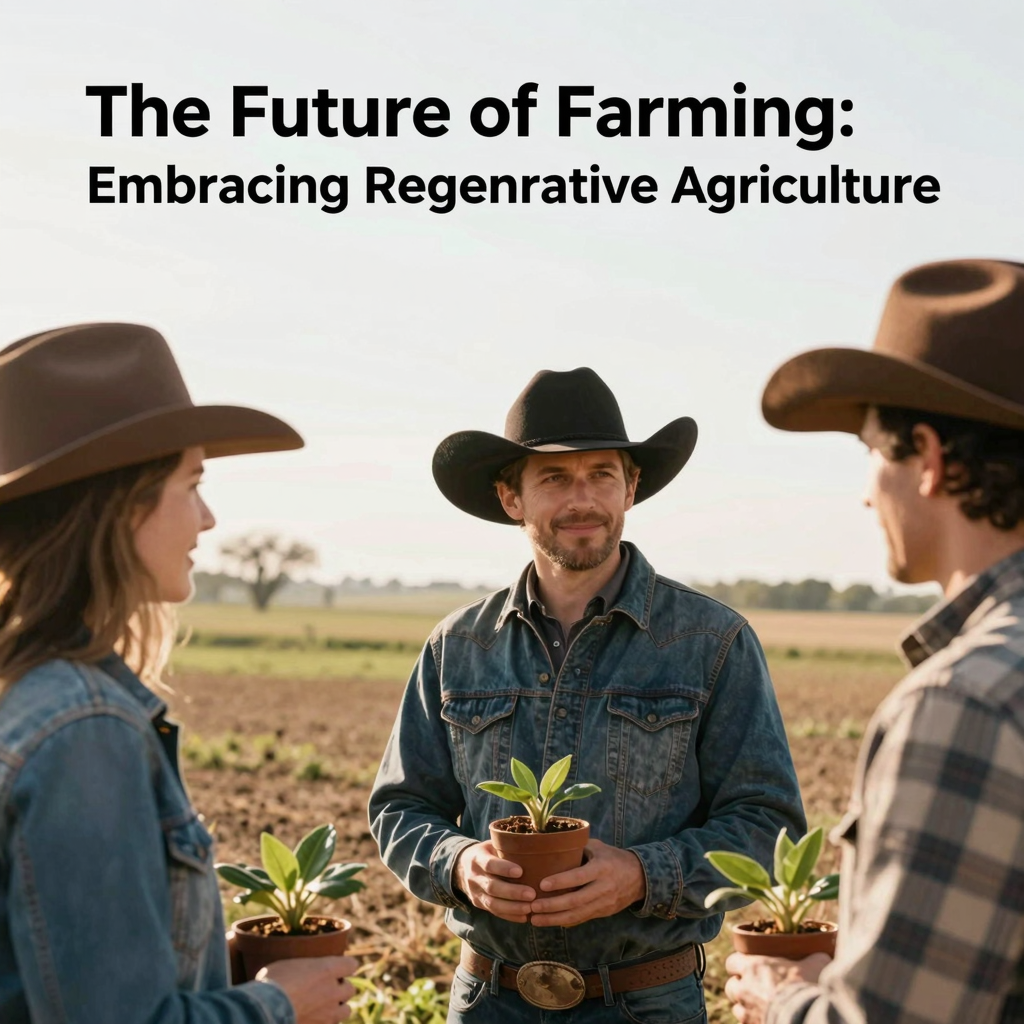
Introduction to Regenerative Agriculture
Regenerative agriculture is a transformative approach to farming that focuses on restoring and maintaining the natural health of soil, ecosystems, and landscapes. Unlike traditional agriculture, which often prioritizes short-term gains at the expense of long-term sustainability, regenerative agriculture aims to balance productivity with environmental preservation. This movement is gaining momentum worldwide as farmers and policymakers recognize the importance of sustainable practices in addressing climate change, soil degradation, and resource depletion.
Key Principles of Regenerative Agriculture
- Soil Health: Regenerative agriculture emphasizes the restoration and maintenance of soil health through practices like crop rotation, cover cropping, and reduced tillage. Healthy soils act as a repository for nutrients, water, and beneficial organisms, ensuring long-term agricultural productivity.
- Biodiversity: Integrating biodiversity into farming systems is a cornerstone of regenerative agriculture. This includes planting trees, introducing native species, and creating habitats for pollinators like bees. Diverse ecosystems enhance resilience and reduce the risk of crop failure.
- Water Management: Efficient water use is a critical component of regenerative agriculture. Techniques such as rainwater harvesting, drip irrigation, and open irrigation channels help conserve water while meeting the needs of crops and livestock.
- Agroforestry and Landscaping: Incorporating trees and other plants into farming systems improves air quality, reduces soil erosion, and enhances the carbon sequestration capacity of the land. This approach also provides multiple benefits, such as shade for crops and pollination for wildflowers.
- Integrated Pest Management: Regenerative agriculture promotes the use of natural predators, parasites, and pathogens to control pests and diseases. This reduces the need for chemical pesticides and fosters more sustainable farming practices.
Benefits of Regenerative Agriculture
Adopting regenerative agricultural practices offers numerous benefits, including improved productivity, enhanced soil health, and reduced environmental impact. By restoring natural systems, regenerative agriculture can increase crop yields while using fewer resources. Additionally, it produces fewer greenhouse gases, less water, and less chemical input, making it a more sustainable option for modern farming. These benefits make regenerative agriculture an essential part of the agricultural revolution needed to address global challenges.
Practices for Implementing Regenerative Agriculture
Implementing regenerative agriculture requires intentional and long-term planning. Here are some practical steps farmers can take:
- Crop Rotation: Rotating crops to break the cycle of WEEDS and diseases while allowing soil to recover. This practice also promotes biodiversity and beneficial soil organisms.
- cover Cropping: Planting cover crops like clover, rye, or linseed during the off-season can help suppress weeds, improve soil structure, and protect the soil during heavy rainfall.
- Soil Conservation: Practices like contour farming, planting hedges, and planting trees can help prevent soil erosion and maintain soil health.
- Organic Farming: Incorporating organic practices such as composting, manure application, and avoiding synthetic fertilizers can enhance soil health and reduce chemical use.
- Water Conservation: Implementing water-saving technologies and practices, such as rainwater harvesting and drip irrigation, can help farmers meet water demands while protecting this vital resource.
Challenges and Considerations
While regenerative agriculture offers many benefits, it also presents challenges. Farmers may face resistance to new practices, particularly in areas where tradition and economic incentives favor conventional methods. Additionally, regenerative practices can be more labor-intensive and costly initially. However, long-term benefits such as soil health and reduced resource use often outweigh these costs. Government support, such as incentives for organic farming and soil conservation, can help farmers overcome these barriers.
Conclusion
Regenerative agriculture represents a shift in how we approach farming. By prioritizing the health of our ecosystems, we can produce food more sustainably, reduce our environmental footprint, and ensure food security for future generations. As the world faces increasing challenges related to climate change, resource scarcity, and food demand, adopting regenerative agricultural practices is not just an option—it is a necessity. Let’s move towards a future where farming is both productive and sustainable, ensuring that we can feed the world without depleting our planet’s resources.