
 By admin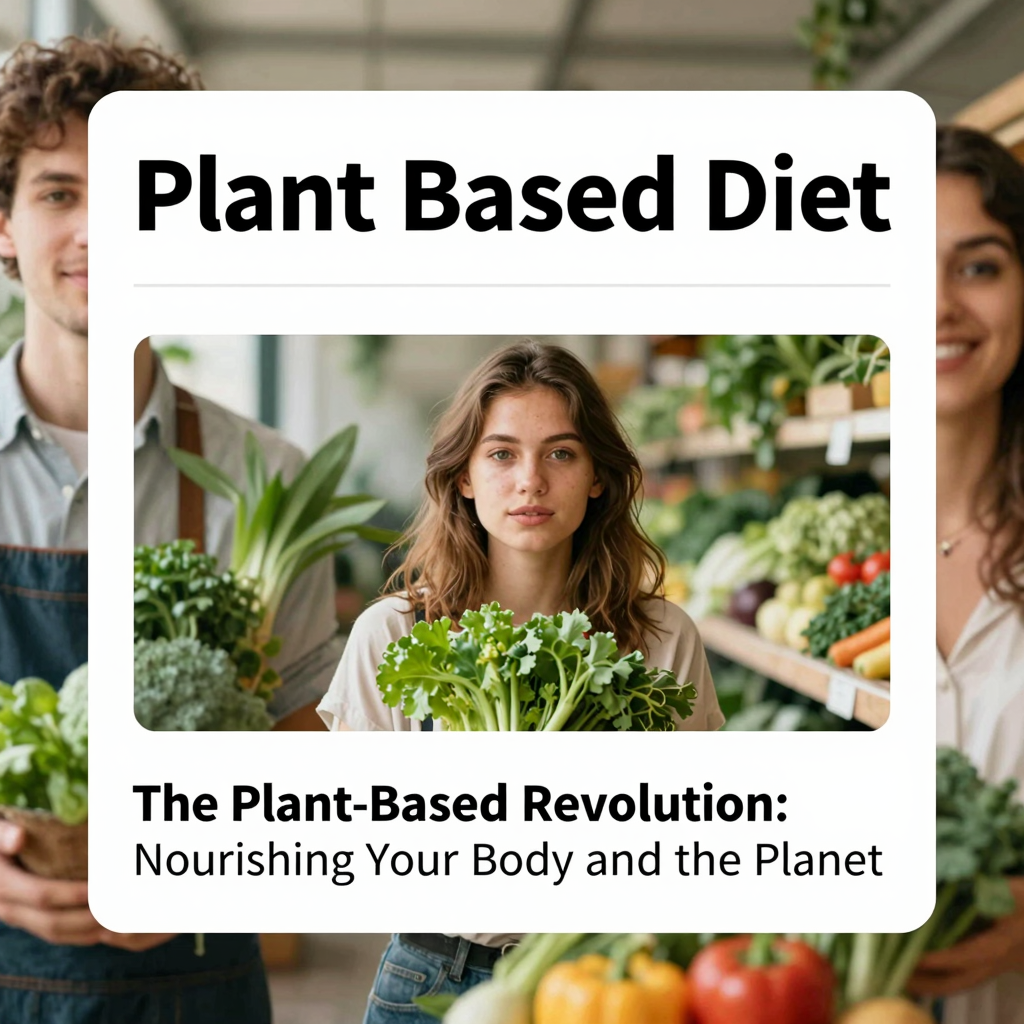
For decades, dietary advice seemed to orbit around moderation, portion control, and the elusive “balanced diet.” Yet, a powerful shift is underway, moving beyond mere reduction to a fundamental reimagining of what we put on our plates. The plant-based diet, once relegated to the fringes, has surged into the mainstream, propelled by compelling research, ethical considerations, and a growing awareness of our environmental footprint. But what exactly *is* a plant-based diet? Is it just another fleeting trend, or does it hold the key to unlocking better health and a more sustainable future? This article delves deep into the world of plant-based eating, exploring its principles, benefits, practical implementation, and the profound impact it can have on individuals and the planet.
Demystifying the Plant-Based Plate: Beyond Salad Bowls
At its core, a plant-based diet emphasizes foods derived from plants. This includes not just fruits and vegetables, but also whole grains, legumes (beans, lentils, peas), nuts, seeds, herbs, and spices. The spectrum of plant-based eating is broad, ranging from strict veganism (excluding all animal products, including dairy, eggs, and honey) to more flexible approaches like vegetarianism (which may include dairy and/or eggs) or simply prioritizing plants while occasionally including animal products (sometimes called flexitarian or plant-forward).
The key distinction lies in the *focus* and *proportion*. Instead of animal products being the centerpiece of every meal, they become optional or significantly reduced, making way for a diverse array of plant foods to take center stage. It’s about abundance – filling your plate with colorful fruits, hearty grains, protein-packed legumes, and healthy fats from nuts and seeds. This shift isn’t about deprivation; it’s about embracing a wider variety of nutrient-dense foods.
Core Components of a Plant-Based Plate
- Fruits & Vegetables: The vibrant foundation, packed with vitamins, minerals, antioxidants, and fiber. Aim for a rainbow of colors.
- Whole Grains: Brown rice, quinoa, oats, barley, whole wheat pasta & bread provide sustained energy and fiber.
- Legumes: Beans (black, kidney, pinto, chickpeas), lentils, peas, and tofu/tempeh are excellent protein and fiber sources.
- Nuts & Seeds: Almonds, walnuts, chia seeds, flaxseeds, hemp seeds offer healthy fats, protein, and essential minerals.
- Healthy Fats: Primarily from plant sources like avocados, olive oil, nuts, and seeds.
The Compelling Case for Plants: Health Benefits Under the Microscope
The surge in plant-based popularity isn’t just hype; it’s underpinned by a robust and growing body of scientific evidence highlighting significant health advantages. Research consistently links plant-centric eating patterns with a lower risk of chronic diseases and improved overall well-being.
Heart Health: A Strong Ally
Plant-based diets are naturally low in saturated fat and cholesterol (found abundantly in animal products), which are major contributors to high LDL (“bad”) cholesterol levels and atherosclerosis (hardening of the arteries). The abundance of soluble fiber (found in oats, beans, apples) actively helps lower cholesterol. Furthermore, plants are rich in potassium, magnesium, and antioxidants, all of which support healthy blood pressure and reduce inflammation. Studies, including the landmark Adventist Health Studies, have shown that vegetarians and vegans often have significantly lower rates of hypertension, heart disease, and stroke.
Weight Management and Metabolic Health
Plant-based foods tend to be lower in calories and higher in fiber and water content compared to many animal products and processed foods. Fiber promotes satiety, helping you feel fuller for longer, which can naturally reduce overall calorie intake and support healthy weight management or loss. This dietary pattern is also associated with improved insulin sensitivity and a lower risk of developing type 2 diabetes. The complex carbohydrates in whole grains and legumes provide steady energy without the blood sugar spikes associated with refined carbs.
Reduced Cancer Risk
While no diet can guarantee cancer prevention, plant-based diets are rich in phytochemicals – bioactive compounds found only in plants – many of which possess potent antioxidant and anti-inflammatory properties. These compounds help protect cells from damage that can lead to cancer development. Diets high in fruits, vegetables, and fiber (particularly from whole grains) are consistently linked to a reduced risk of certain cancers, including colorectal cancer. Additionally, limiting or avoiding processed and red meats, classified as carcinogens by the World Health Organization, further reduces risk.
Gut Health: Feeding Your Microbiome
The diverse array of fiber in a plant-based diet is like premium fuel for the trillions of beneficial bacteria residing in your gut (the microbiome). These microbes ferment fiber, producing short-chain fatty acids (SCFAs) that nourish gut cells, reduce inflammation, strengthen the gut barrier, and may even influence mood and immune function. A thriving gut microbiome is increasingly recognized as fundamental to overall health.
Longevity and Vitality
The combined effect of reducing chronic disease risk, managing weight, and promoting overall cellular health contributes to a compelling association between plant-based diets and longevity. Regions known for longevity, often termed “Blue Zones,” typically feature diets heavily centered around whole plant foods. Beyond just adding years, this way of eating often adds life – promoting higher energy levels, better skin health, and enhanced vitality.
The Earth on Our Plates: The Environmental Imperative
Choosing plant-based options isn’t just a personal health decision; it’s a powerful vote for planetary health. Animal agriculture is a leading contributor to some of the most pressing environmental challenges we face.
Climate Change and Greenhouse Gases
Livestock production is a major source of methane (a potent greenhouse gas emitted by ruminants like cows and sheep) and nitrous oxide (from manure management and fertilizers used for feed crops). Studies, including comprehensive analyses published in journals like *Science*, consistently show that plant-based foods have a significantly lower carbon footprint per calorie or gram of protein compared to animal products, especially beef and lamb. Shifting towards plant-based diets is recognized as one of the most effective individual actions to mitigate climate change.
Land and Water Use
Producing animal products requires vastly more land and water than producing plant foods directly for human consumption. Large swathes of forest, particularly in critical areas like the Amazon rainforest, are cleared for cattle grazing and to grow feed crops like soy (the majority of which is destined for livestock, not human tofu). This deforestation leads to biodiversity loss and disrupts vital ecosystems. Similarly, raising animals for food consumes enormous quantities of freshwater, from direct drinking water to irrigation for feed crops.
Water Pollution and Ocean Health
Runoff from factory farms, laden with manure, antibiotics, and fertilizers, pollutes rivers, lakes, and groundwater. This nutrient overload causes algal blooms that deplete oxygen in water bodies, creating “dead zones” where aquatic life cannot survive. Overfishing, driven by massive demand for seafood, is depleting fish stocks and disrupting marine ecosystems at an alarming rate.
Choosing plant-based alternatives directly reduces demand for these resource-intensive industries, contributing to a lighter environmental footprint.
Plant-Based in Practice: Making the Shift Sustainable
Transitioning to a plant-based diet can feel daunting, but it doesn’t have to be an all-or-nothing overnight change. A gradual, sustainable approach is often most successful.
Start Small and Build Momentum
- Meatless Mondays (or any day!): Dedicate one day a week to entirely plant-based meals. Explore new recipes and cuisines.
- Swap Ingredients: Replace meat in familiar dishes. Try lentil bolognese, chickpea “tuna” salad, black bean burgers, or tofu scramble instead of eggs.
- Plantify Your Plate: Gradually increase the proportion of plants on your plate. Fill half with vegetables and fruits, a quarter with whole grains, and a quarter with plant-based protein.
- Explore Plant Proteins: Experiment with tofu (press and marinate for best flavor!), tempeh, seitan, lentils, beans, and edamame. Discover their unique textures and flavors.
Mastering the Art of Flavor
Plant-based cooking thrives on herbs, spices, and umami-rich ingredients. Don’t shy away from garlic, onions, ginger, cumin, paprika, turmeric, nutritional yeast (for a cheesy flavor), soy sauce/tamari, miso paste, tahini, and vinegars. Roasting vegetables caramelizes their natural sugars, enhancing sweetness. Creating flavorful sauces and dressings is key to satisfying meals.
Essential Nutrients: What to Watch For
A well-planned plant-based diet can be nutritionally adequate for all stages of life. However, attention should be paid to a few key nutrients:
- Vitamin B12: Essential for nerve function and blood cell formation. Not reliably found in plants. Supplementation or consumption of B12-fortified foods (like plant milks, cereals, nutritional yeast) is crucial.
- Vitamin D: Important for bone health and immune function. While synthesized from sun exposure, fortified foods or supplements may be necessary, especially in less sunny climates.
- Omega-3 Fatty Acids: Focus on ALA sources like chia seeds, flaxseeds, hemp seeds, and walnuts. Consider algae-based EPA/DHA supplements if not consuming fish.
- Iron: Found in lentils, beans, tofu, spinach, and fortified cereals. Pair with vitamin C-rich foods (citrus fruits, bell peppers) to enhance absorption.
- Calcium: Abundant in fortified plant milks and juices, tofu set with calcium, tahini, almonds, and leafy greens like kale and bok choy.
- Iodine: Use iodized salt or consume sea vegetables.
Consulting a registered dietitian knowledgeable in plant-based nutrition can be invaluable, especially for specific populations (children, pregnant women, athletes).
Sample Plant-Powered Meal Ideas
- Breakfast: Overnight oats with berries, chia seeds, and almond butter; Tofu scramble with veggies and turmeric; Whole grain toast with avocado and hemp seeds.
- Lunch: Hearty lentil soup with whole grain bread; Large salad with chickpeas, quinoa, roasted veggies, and tahini dressing; Leftover veggie chili or curry.
- Dinner: Stir-fry with tofu or tempeh, broccoli, bell peppers, and brown rice; Black bean tacos with all the fixings; Lentil shepherd’s pie; Whole wheat pasta with roasted vegetable marinara.
- Snacks: Fruit with nut butter; Hummus and veggie sticks; Handful of nuts and seeds; Edamame; Plant-based yogurt.
Beyond Nutrition: Ethical Considerations and Animal Welfare
For many individuals, the choice to adopt a plant-based diet is deeply rooted in ethics and compassion for animals. Modern industrial farming practices often involve significant animal suffering – confined spaces, restrictive practices, and slaughter methods that raise profound ethical questions. Choosing plant-based foods directly reduces demand for these systems, aligning dietary choices with values of reducing harm and respecting sentient life.
Addressing Common Concerns and Myths
Plant-based diets sometimes face skepticism fueled by misconceptions. Let’s address a few common ones:
- “You won’t get enough protein.” This is perhaps the most persistent myth. Numerous plant foods are rich in protein (lentils, beans, tofu, tempeh, seitan, nuts, seeds, whole grains). Combining different plant proteins throughout the day ensures adequate intake of all essential amino acids. Most people easily meet protein needs on a varied plant-based diet.
- “It’s too expensive.” While specialty vegan products can be pricey, the staples of a plant-based diet – beans, lentils, rice, oats, potatoes, seasonal fruits and vegetables – are often among the most affordable foods available. Eating plant-based can be very budget-friendly.
“It’s boring or restrictive.” Far from it! Plant-based cooking opens up a world of culinary exploration – from vibrant Indian dals and Thai curries to hearty Mediterranean bean stews and innovative vegan baking. The variety of fruits, vegetables, grains, and legumes available is immense.
Conclusion: Embracing a Plant-Powered Future
The plant-based diet is far more than a dietary trend; it represents a holistic approach to living that harmonizes personal health with planetary well-being and ethical considerations. Backed by compelling science demonstrating benefits for heart health, weight management, diabetes prevention, and potentially cancer risk reduction, it offers a powerful path to individual vitality. Simultaneously, it stands as a practical and impactful response to the urgent environmental crises of climate change, deforestation, water scarcity, and pollution caused by animal agriculture.
Embracing a plant-based lifestyle doesn’t demand perfection. It invites exploration, flexibility, and a gradual shift towards centering whole, unprocessed plant foods. Whether you choose veganism, vegetarianism, or simply making plants the star of your plate most of the time (flexitarian), every plant-based meal is a step towards a healthier you and a healthier planet. It’s an invitation to rediscover the abundance, flavor, and nourishment that the plant kingdom offers, one delicious bite at a time. The revolution is on your plate – savor it.