
 By admin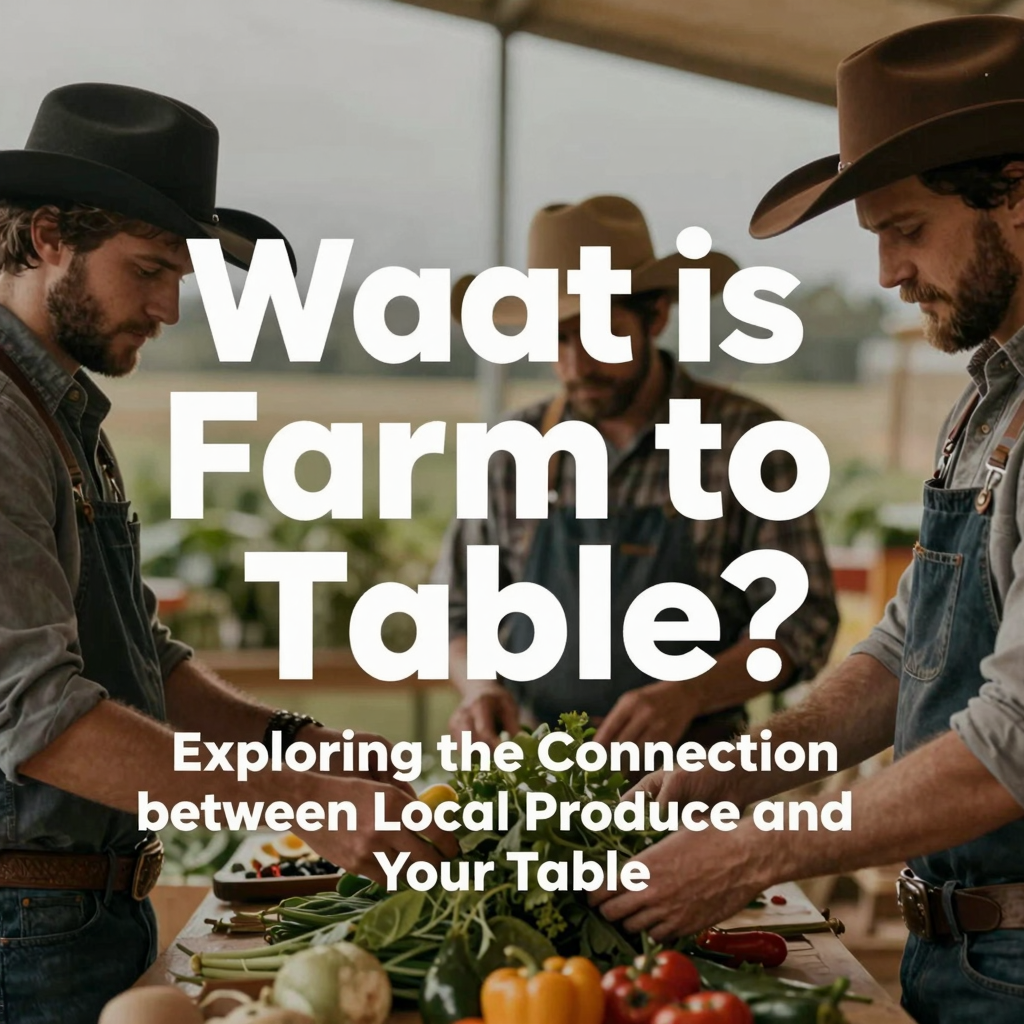
Introduction to Farm to Table
Farm to table is a concept that has gained significant popularity in recent years, reflecting a growing movement toward sustainability and local food systems. At its core, farm to table emphasizes the connection between the farm and the table, ensuring that food is produced, harvested, and distributed in a way that minimizes environmental impact and supports local economies. This model prioritizes the freshest, locally-grown produce, reducing waste and connecting producers with consumers in a direct and meaningful way.
The term “farm to table” can sometimes be misconstrued as a strict system tied to large-scale agricultural operations. However, it encompasses a wide range of practices, from small family farms to community gardens and even local markets. The goal is to create a system where food is not only fresh and nutritious but also sustainably produced and economically viable for farmers and communities.
Understanding the Benefits of Farm to Table
One of the most significant benefits of the farm to table movement is its focus on sustainability. By purchasing and consuming locally-grown produce, consumers contribute to the preservation of natural resources, such as soil health, water quality, and biodiversity. This approach reduces the carbon footprint associated with transporting goods over long distances, which is a major contributor to climate change.
Additionally, farm to table supports local economies by creating jobs in farming, processing, and distribution. When consumers buy directly from local farms, it generates revenue for small-scale farmers who might otherwise struggle to make ends meet. This economic multiplier effect helps preserve local communities and fosters a sense of pride and connection to one’s roots.
Another advantage of farm to table is the opportunity to support ethical and environmentally conscious farming practices. Many local farmers adopt sustainable methods, such as organic planting, integrated pest management, and sustainable irrigation, which not only protect the environment but also ensure higher quality produce for consumers.
How to Embrace Farm to Table in Your Life
Incorporating farm to table principles into your daily life is easier than you might think. Start by exploring the different ways local produce is available to you. This could include purchasing from local farmers’ markets, supporting your local grocery store’s organic section, or even growing your own vegetables in a community garden.
If you’re new to farm to table, begin small. Try incorporating one or two farm-to-table items into your meals each week. For example, you could make a salad using locally grown greens or prepare a meal using ingredients from your neighborhood farm. The key is to take small, manageable steps to make the transition easier.
Another important aspect of farm to table is education. Take the time to learn about the different types of produce available and how they are grown. Understanding the growing process, the seasonality of different foods, and the benefits of each can help you make more informed choices. You can also educate your friends and family about the importance of farm to table, creating a ripple effect of awareness and support.
Why Farm to Table Matters
Farm to table is more than just a trend; it’s a movement that addresses some of the most pressing issues facing our planet today. By supporting local farmers and consumers, we can reduce our carbon footprint, strengthen our communities, and ensure that our food supply remains reliable and sustainable for future generations.
Furthermore, farm to table challenges the traditional food system, which often prioritizes profit over profit over people and the environment. By choosing farm to table, we are asserting our right to fresh, healthy food while demanding that our food system operate in a more equitable and sustainable way.
As the population continues to grow and the demand for food increases, it is more important than ever to support systems that prioritize quality, sustainability, and community. Farm to table offers a powerful way to do just that, while also celebrating the diversity of our local agricultural landscape.
Conclusion
Farm to table is a movement that has the potential to transform the way we think about food production and consumption. By connecting local producers with consumers, it creates a system that is more sustainable, equitable, and delicious. Whether you’re a long-time farm to table advocate or someone who’s just beginning to explore this concept, there is something for everyone to learn and experience.
As you take steps to embrace farm to table, remember that you’re not alone. Communities around the world are building connections and supporting each other through this movement. By participating in farm to table initiatives, whether through markets, gardens, or simply making conscious choices about your diet, you are helping to shape a future where food is truly at the heart of our lives.
So, the next time you pick up a piece of locally grown fruit or vegetable, take a moment to appreciate the journey it has taken to reach your plate. And if you haven’t already, consider joining the farm to table movement—you might just be surprised at how much it can transform your life and the lives of those around you.