 By admin
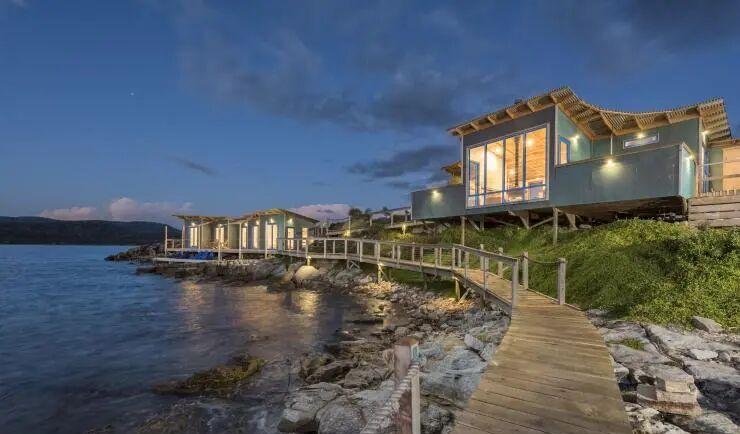
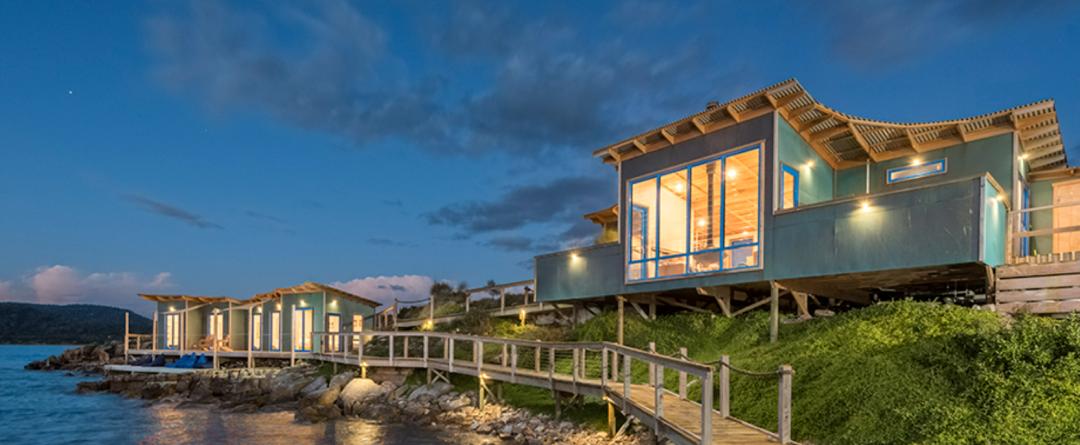
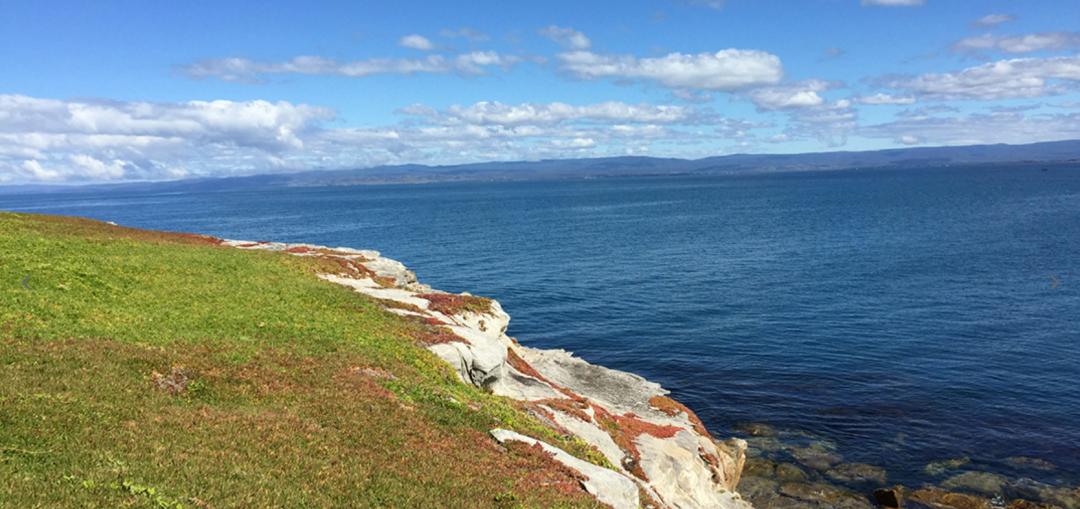
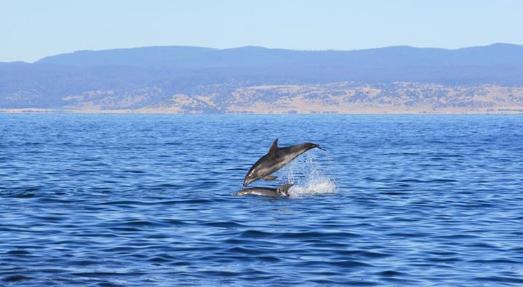
Dolphins and seals frequently visit and are curious about the activities on the island. If you are lucky enough, you can even see whales.
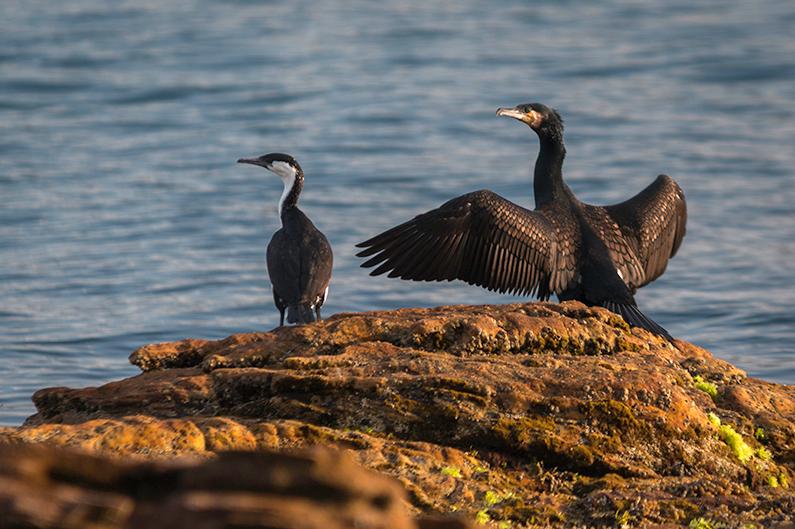
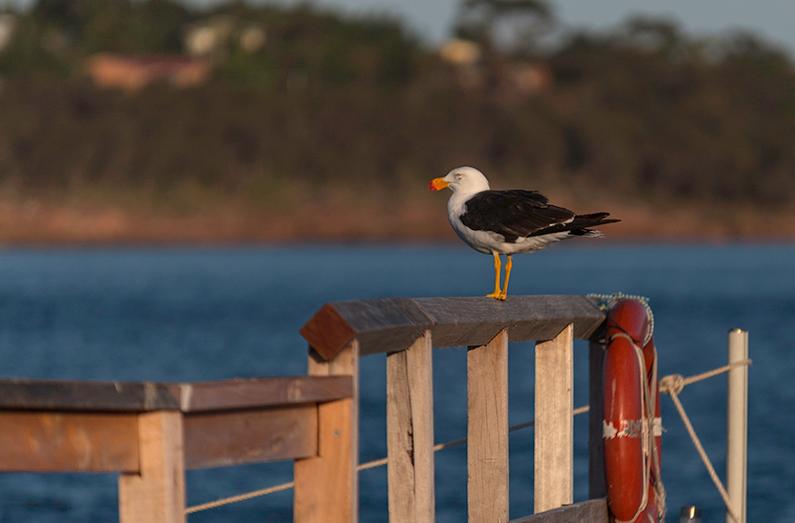
During the day, you’ll get to know the variety of birds that call Picnic Island home.
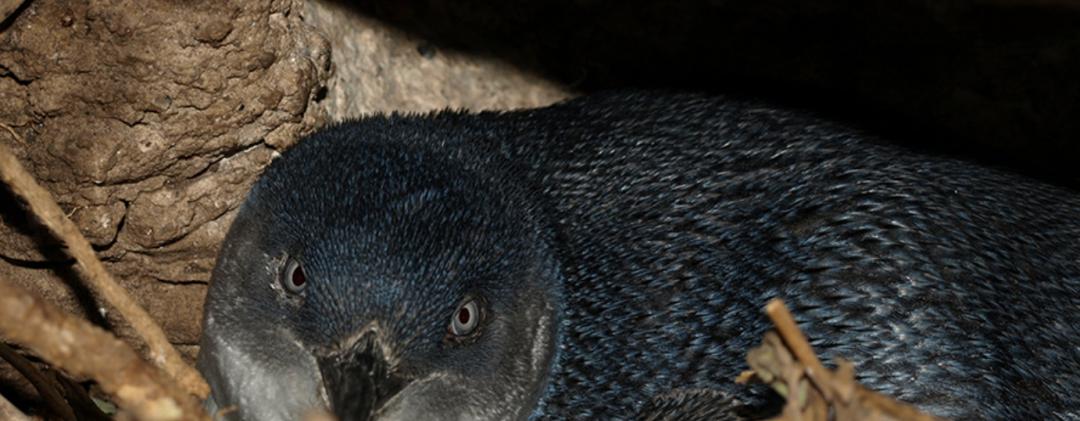
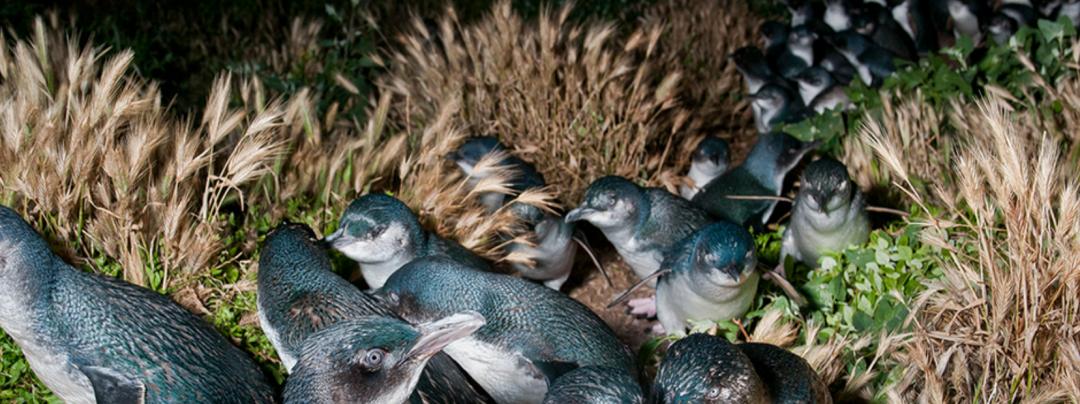
After night fell, the island came back to life, and penguins and petrels returned to their caves to feed their young birds.
Little skink lizards will accompany you on the deck to bask in the sun (luckily, there are no snakes on the picnic island). The tides, wind, sun, stars and moon, provide you with a natural rhythm to live in harmony with all these wonderful wildlife.

How to get here?
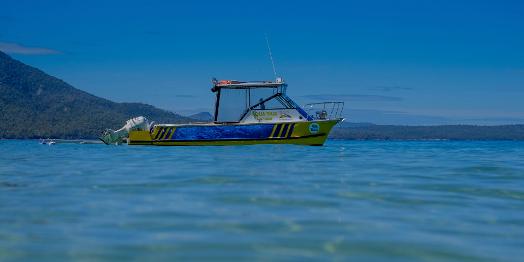
For international or interstate visitors, you can fly to Launceston or Hobart, then connect and reach Coles Bay after a more than 2 hours drive. Upon arrival at Coles Bay, the “Fishina Water Taxi” will take you and all your luggage to the island, and the flight will take only 10 minutes. If you want to arrive in a more special way, our partners can offer a direct seaplane service from Hobart to the island.
About the history here
The Oyster Bay aboriginal tribe lived on this small island for thousands of years and didn’t leave until about 200 years ago. They may cross in a bark canoe or maybe even come by swimming. Their shellmounds can still be seen along the boardwalk at the western end of the island, piled up with the remnants of the food shared by countless ancestors, including seals, birds, crayfish, abalone, oysters and other shellfish.
In 1829, Captain Robert Hepburn arrived in Tasmania from Edinburgh with his wife and eight children and was granted land for Picnic Island.
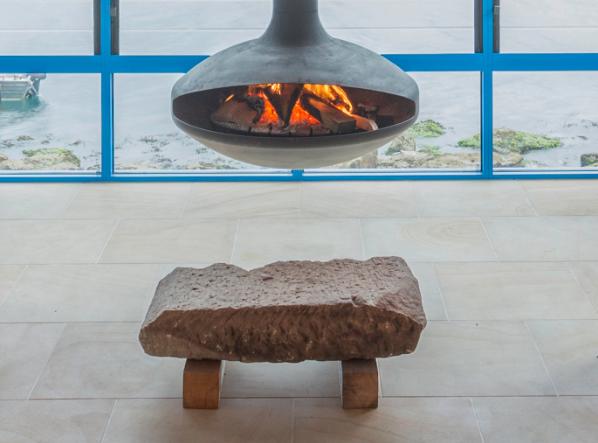
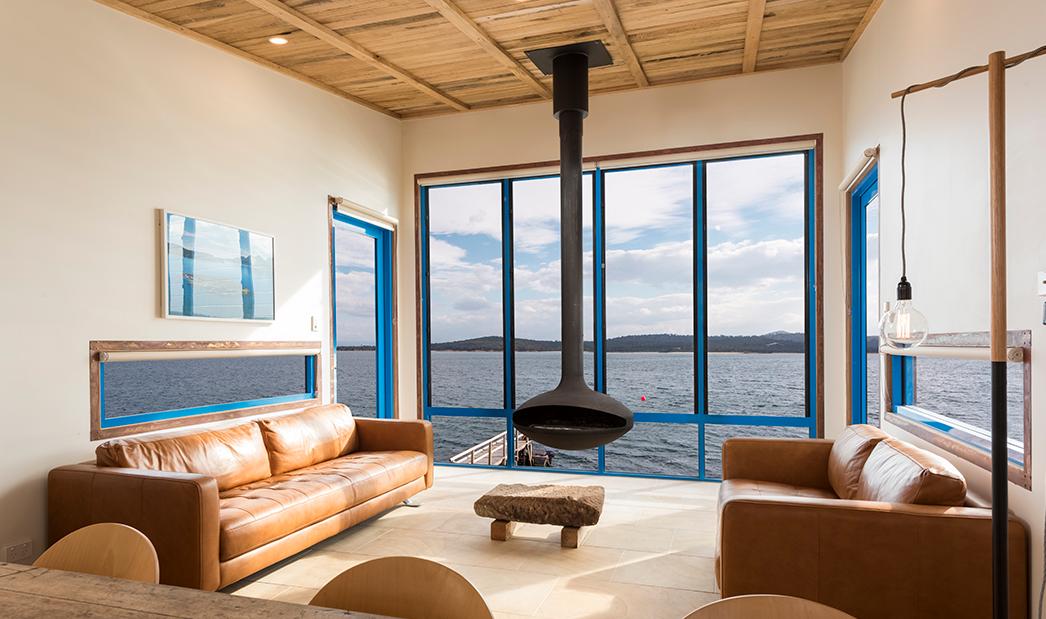
As a navigator, he particularly wanted to include Picnic Island in his territory in order to use it as a safe haven for ships. He set up a whaling station across the bay at the foot of Hazard Mountain. During the season when there were no whales, he arranged for prisoners to mine sandstone on the island. While building the present holiday home, we found a wooden block left by prisoners about 200 years ago, which is now used as a hearth under the stove.